
.jpg)



.svg)
The British child protection network faces unparalleled scrutiny today following a dual crisis of institutional accountability, as a high school teacher receives a whole life order for the murder of his adopted toddler, concurrent with an unprecedented ecclesiastical confession regarding historical forced adoptions.
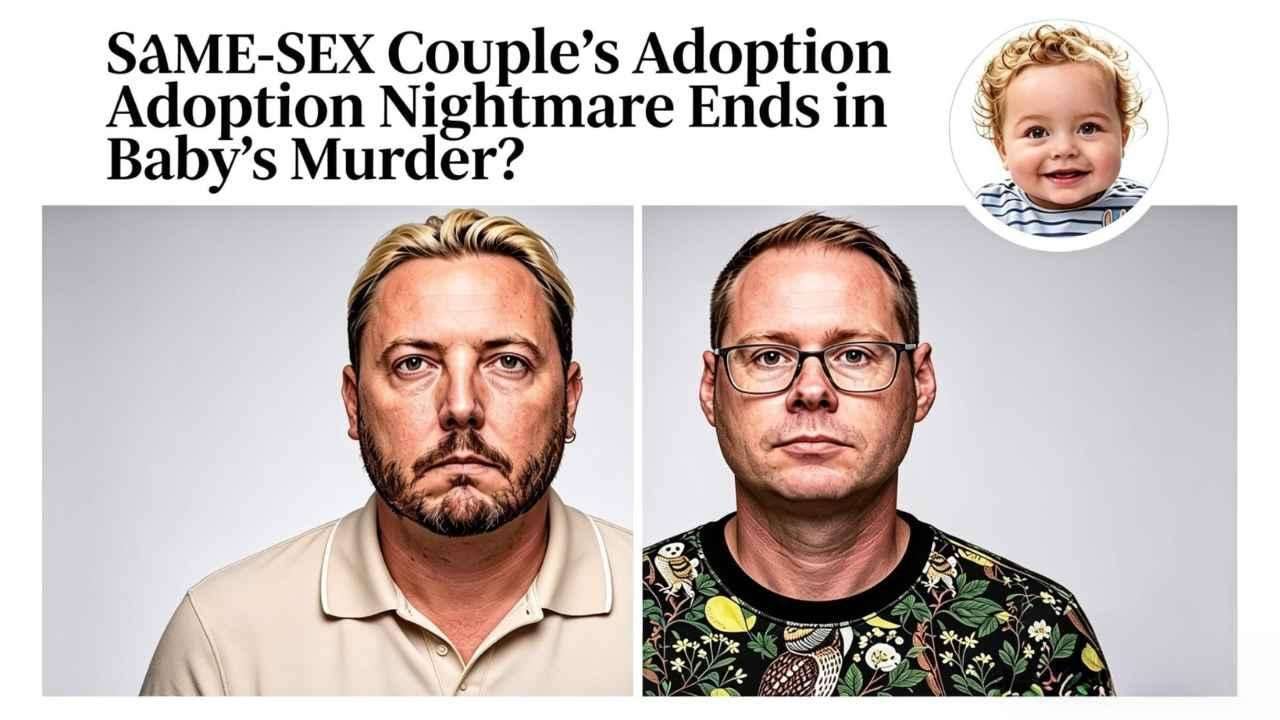
At Preston Crown Court, Mr Justice Turner has delivered final sentencing determinations for Jamie Varley, 37, a high school teacher convicted of the murder, sexual assault, and systematic abuse of 13-month-old Preston Davey. Varley has been sentenced to a whole life order, ensuring he will spend the remainder of his life behind bars for his crimes. His co-defendant and partner, John McGowan-Fazakerley, 32, a former financial manager, has been sentenced to 25 years in prison after being found guilty of allowing the death of a child, child cruelty, and the sexual assault of a child.
HPV Vaccine Linked to Near-Elimination of Cervical Cancer Deaths in Young Women, Study Finds
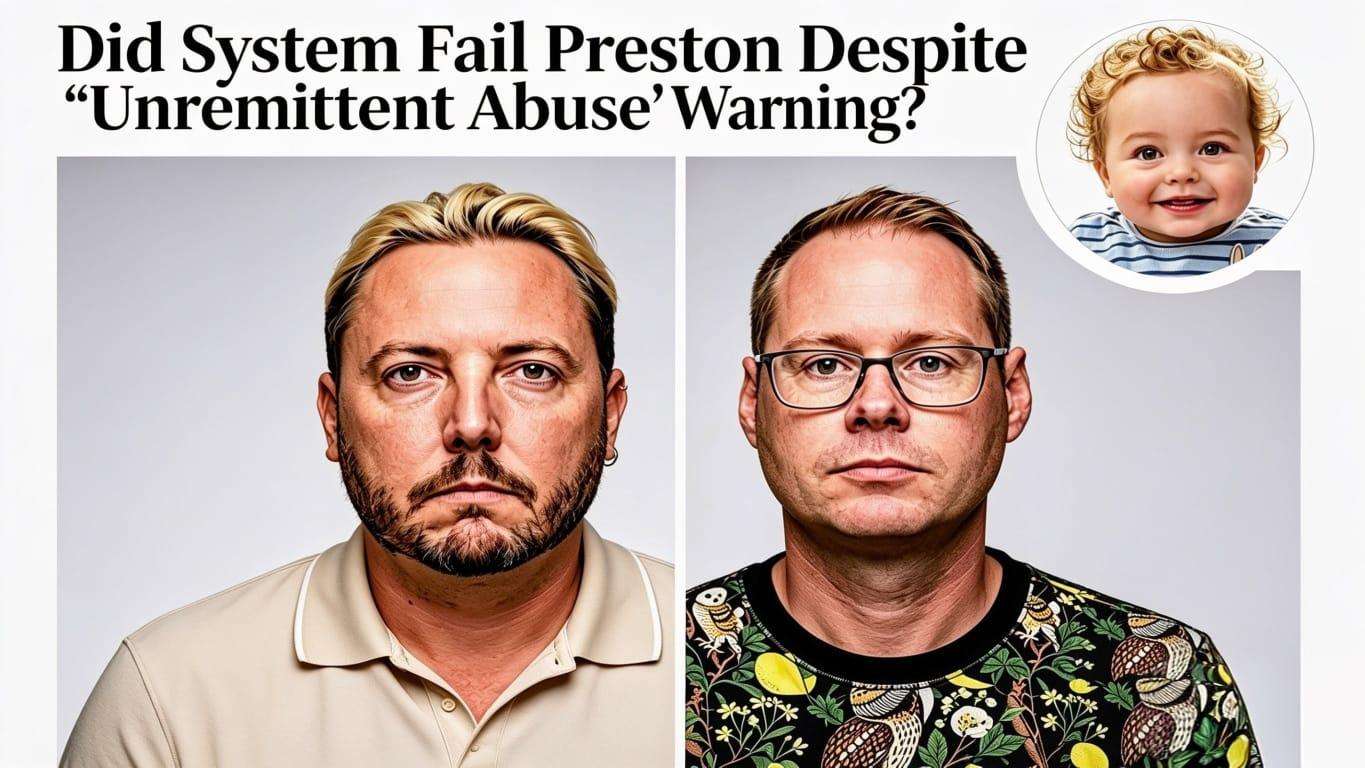
Varley’s professional standing as an educator reportedly provided a veneer of respectability that effectively disarmed oversight mechanisms. Court proceedings revealed that Varley’s articulate manner and professional background repeatedly reassured social workers that the household was stable, masking what prosecutors described as a four-month campaign of severe neglect and cruelty. The judge noted that the couple subjected the vulnerable infant to "unremittent abuse and neglect" leading up to his death.
The trial concluded after eight weeks of highly distressing evidence, leading the judiciary to grant the jury a lifetime exemption from future service due to the shocking nature of the case. The court heard moving victim impact statements from the child's biological parents and former foster carers, detailing the profound psychological trauma caused by the tragedy. The child's biological mother told journalists, "A part of me died with him," adding that her life "no longer makes sense" after losing her son.
Simultaneously, the Church of England has issued a formal expression of profound regret regarding its involvement in historical forced adoptions between 1949 and 1976. An estimated 185,000 infants born to unmarried mothers were separated from their families during this era, with tens of thousands processed through approximately 200 Church-affiliated mother-and-baby homes. This historical inquiry has transitioned into an active administrative phase following the official ecclesiastical apology, while a formal state response from Westminster governance remains pending. The critical next milestone for this initiative will be the formal launch of a financial redress scheme scheduled by late 2026.
The statement, delivered by ecclesiastical leadership, acknowledged the lifelong trauma, social stigma, and institutional pressure imposed on these mothers, stating that the responsibility for that shame rests solely with the institution. This admission coincides with indications that the UK government plans a formal parliamentary statement on the matter. A redress scheme, projected to open by the conclusion of 2026, is being established to evaluate financial compensation for affected individuals on a case-by-case basis.
Collectively, these developments have intensified public and legal debate regarding the efficacy of state vetting procedures, the reliability of professional credentials in safeguarding assessments, and the long-term state responsibilities toward individuals affected by historic and modern systemic failures. Investigators speaking to journalists at the Daily Dazzling Dawn emphasize that upcoming statutory reviews are expected to examine how modern adoptive safeguarding protocols failed to detect the severe risks present in the Varley household despite multiple statutory interventions.
The juxtaposition of these two structural breakdowns highlights a persistent vulnerability in safeguarding mechanisms. Whether looking at historical coercion or modern systemic oversights, the reliance on superficial compliance frequently compromises the safety of vulnerable minors." — Legal Analysis, Daily Dazzling Dawn.
The sentencing of Varley adhered strictly to the severe guidelines for mandatory life sentences, with the judge imposing a whole life order based on the extreme aggravating features, including the abuse of a position of trust and the vulnerability of the victim. Meanwhile, the administrative framework for the Church’s redress scheme remains under independent review to establish standardized eligibility criteria for victims of historic practices.