



.svg)
The persistent failure to deter chronic road traffic offenders has sparked urgent demands for structural reform within the British judicial framework.
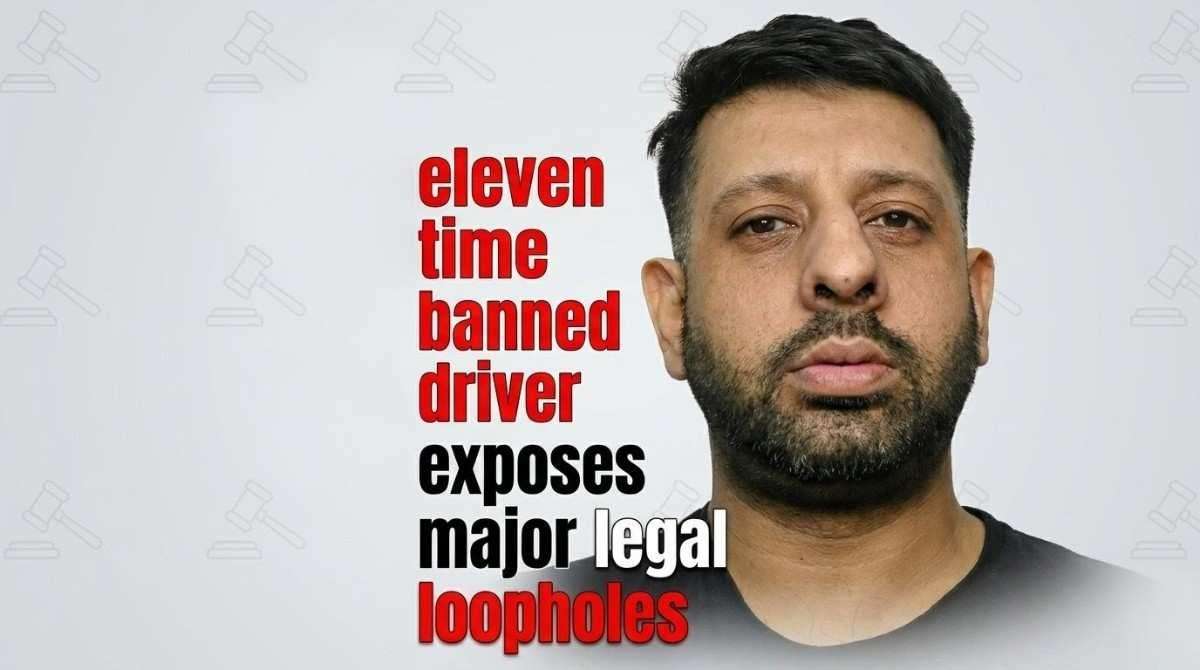
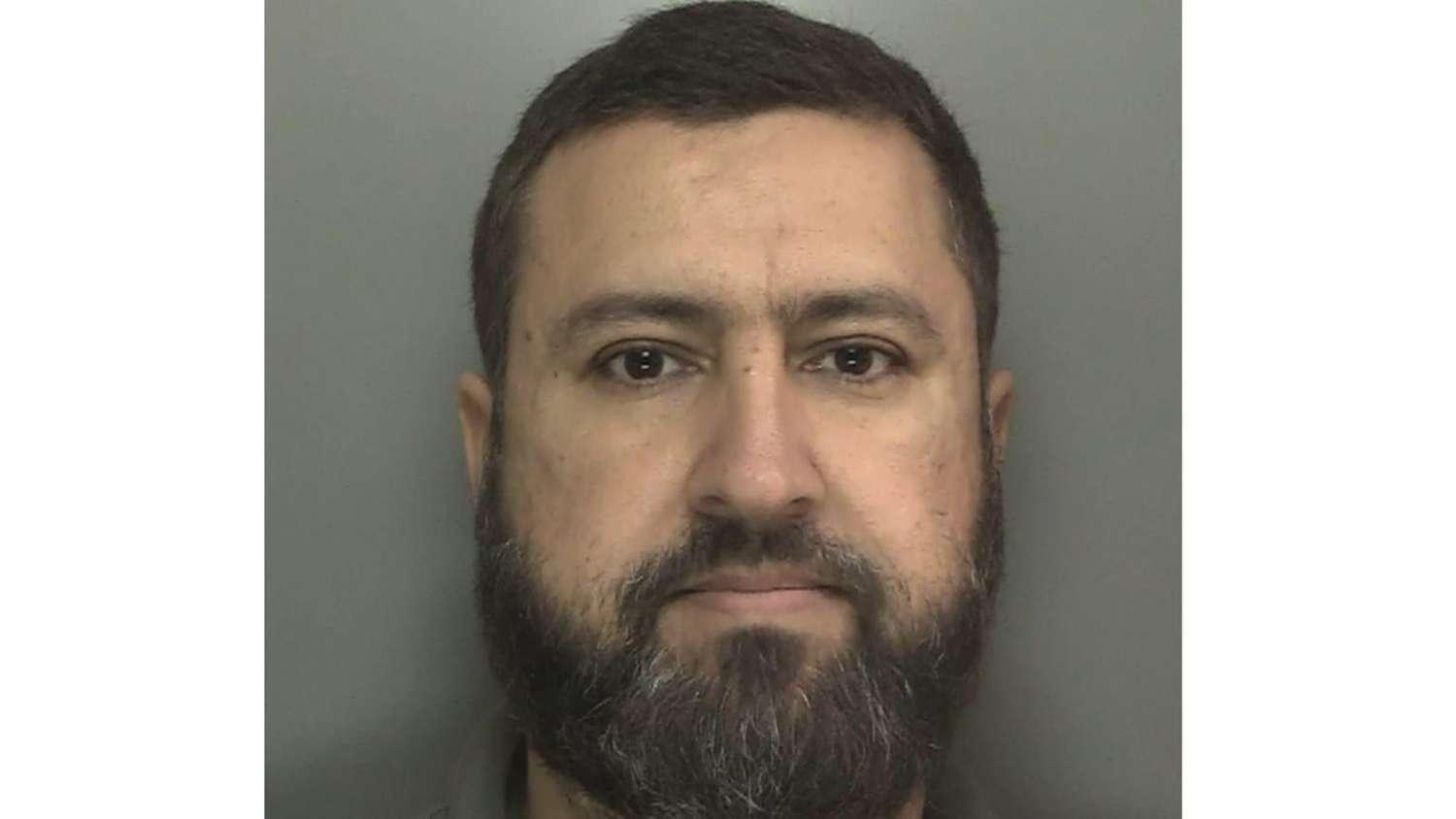
Following the recent sentencing of thirty-six-year-old Zain Mohsin at Bradford Crown Court, legal analysts and community safety advocates are shifting their focus entirely to what happens next. Mohsin, a Bradford resident of South Asian heritage currently held at HMP Leeds, recently received a sixteen-month custodial sentence after pleading guilty to assault occasioning actual bodily harm, dangerous driving, driving whilst disqualified, and operating a vehicle without insurance.
Investigations reveal that this case has exposed significant anxieties regarding the efficacy of short-term custodial sentences for high-risk individuals. With twenty-two previous convictions for fifty-four offences, including four past dangerous driving charges and eleven prior disqualifications, Mohsin’s legal history illustrates a profound pattern of recidivism. Observers within the legal system note that under current guidelines, offenders often serve only forty per cent of their term in custody before being released on licence, meaning Mohsin could return to the community in less than seven months.
The upcoming challenge for West Yorkshire authorities lies in the post-release phase. Defence advocates told journalists that the offender suffers from deep-seated anxiety, depression, and mental health struggles, which have historically intersected with substance dependency. While a temporary shift in attitude and sobriety was achieved during his period on remand, experts warn that without intensive, mandatory rehabilitation infrastructure built into the transitional release phase, the risk to public safety remains acute. Recorder Richard Thyne KC explicitly noted that the individual presents a high risk of harm to the police, the public, and himself, concluding that there was no realistic prospect of immediate probation engagement.
As local policing teams grapple with the persistent danger of high-speed evasions, parliamentary representatives and road safety groups are expected to increase pressure for tighter legislative controls. The next phase of this debate will likely focus on vehicle acquisition tracking for multi-time banned drivers, seeking to close the loopholes that allow disqualified individuals to repeatedly obtain vehicles and compromise public safety.



.jpg)