



.svg)
The geopolitical volatility involving Iran has permeated the logistics of the world’s most significant spiritual gathering. A dramatic 70% spike in global aviation fuel prices since late February has forced international Hajj committees to implement emergency price adjustments. Most notably, India’s Hajj Committee recently announced a mandatory 10,000 rupee (approximately $105) surcharge per pilgrim, a move necessitated by airline demands for increases exceeding $400 per seat.
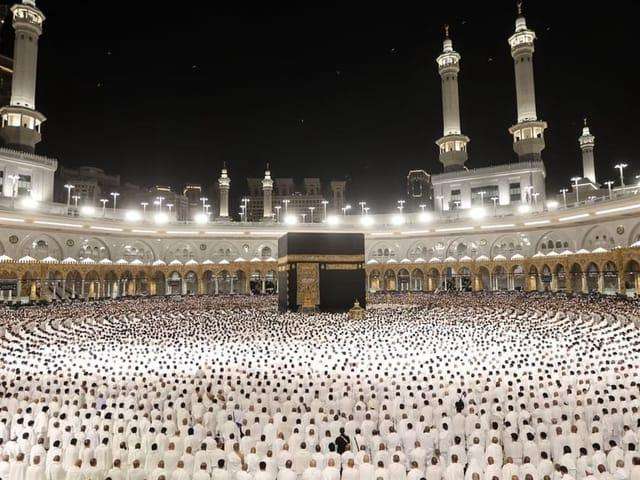
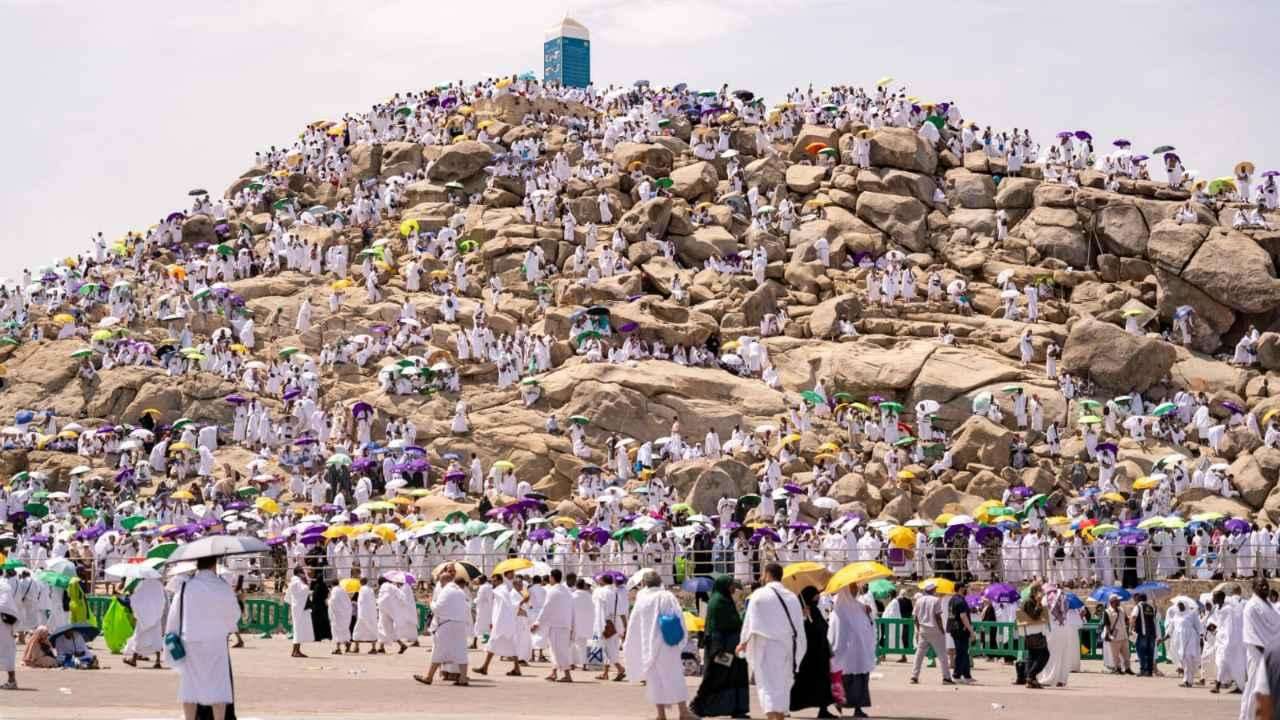
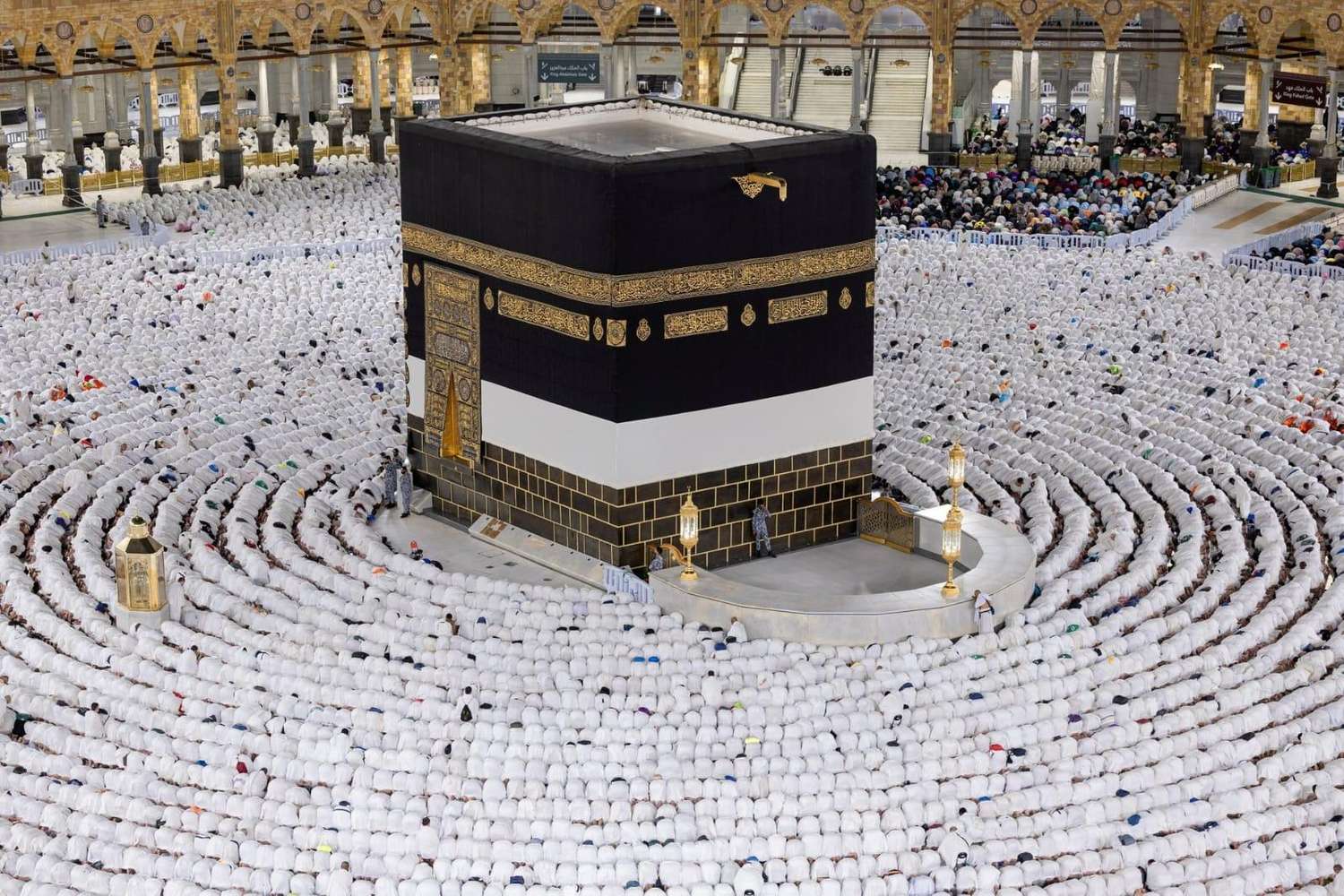
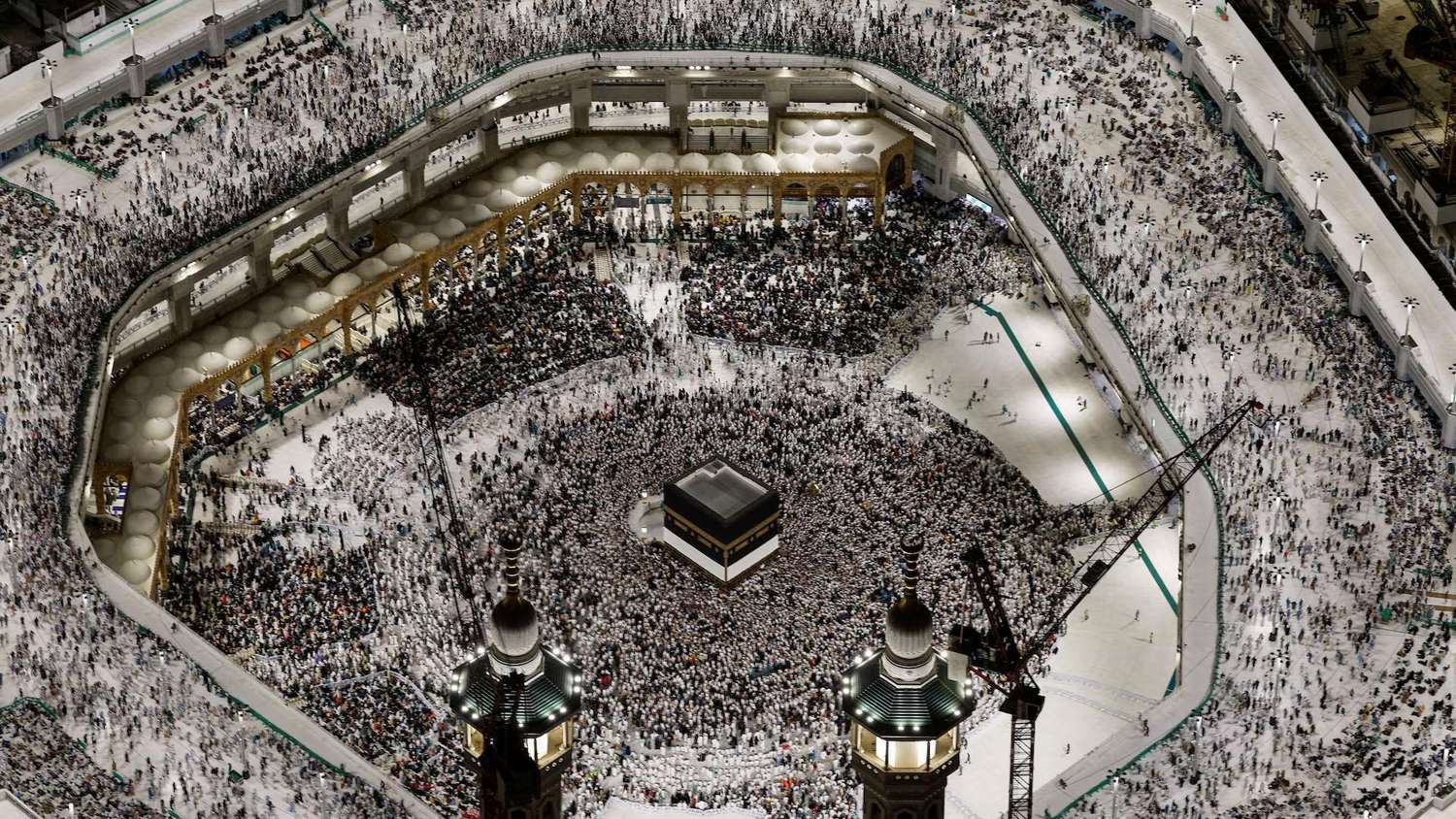
However, a phenomenon defying standard market logic is unfolding across the globe: the rising costs have failed to deter the faithful. From the streets of Lagos to the suburbs of London, the Muslim community is meeting these financial hurdles with unprecedented resolve. A senior official managing Southeast Asian transport logistics informed **Daily Dazzling Dawn** that they have witnessed zero cancellations attributable to the fuel levy, noting instead that global waiting lists have actually expanded.
Unprecedented Participation Amid Economic Pressure
A deep dive into 2026 registration data reveals a narrative of resilience. Excluding Saudi Arabia and its immediate neighbours, verified figures from national Hajj missions indicate that global turnout will not only match but likely exceed last year's figures. Indonesia, the world’s largest pilgrim source, reports a 3% rise in final registrations compared to 2025. Similarly, a combined analysis of Pakistan, India, Turkey, and Morocco shows a 2% increase in confirmed travellers, highlighting a collective refusal to let market fluctuations obstruct religious duty.
“The faithful perceive this as a trial of their devotion,” stated Maulana Yasoob Abbas, general secretary of the All India Shia Personal Law Board, during a discussion with this journalist. He noted that for those who have spent decades saving, a $105 surcharge is an incidental hurdle. The sentiment remains clear: while conflicts are temporary, the spiritual call of the Hajj is eternal.
Strategic Initiatives and Future Logistics
Exclusive information obtained by Daily Dazzling Dawn indicates that the Organisation of Islamic Cooperation (OIC) is preparing for an emergency session on May 15. The agenda focuses on the establishment of a "Global Hajj Airfare Stabilisation Fund," a visionary mechanism designed to cap surcharges for pilgrims from lower-income nations starting in 2027. Furthermore, a consortium of major Gulf carriers is currently negotiating the deployment of high-efficiency, wide-body aircraft for next year's season to reduce fuel consumption by an estimated 18%.
Further relief is expected from within the Kingdom. By late May, the Saudi Ministry of Hajj and Umrah is anticipated to unveil subsidised internal transport packages to help mitigate the increased airfare costs for international visitors. As one ministry insider told this journalist, the priority is to ensure that "faith is never priced out of reach."
A Unified Global Resolve
The financial impact is being felt universally outside the Middle Eastern corridor. In the United Kingdom, where package prices rose by 9%, all 25,000 allocated slots were filled six weeks ahead of schedule. Nigerian pilgrims, facing an 85,000 naira (approx. $95) increase, have seen applications surge 12% over total capacity. This global trend suggests that while households may reduce spending on domestic luxuries, the Hajj remains an absolute priority. Fatima Zahra, a teacher from Chennai who saved for 22 years, remarked that the journey is "non-negotiable," regardless of the shifting global economy.
Final Verified Outlook
All data presented here has been rigorously fact-checked against the Platts Jet Fuel Price Index and official registries from the ministries of Indonesia, Pakistan, and Turkey. The projected final count, set for release on May 30, is expected to surpass 2.5 million international pilgrims—a 1.8% increase over 2025. In an era of fiscal caution, the 2026 Hajj stands as a testament to the fact that while the price of fuel may rise, the value of the pilgrimage remains immeasurable.