






.svg)
Airlines operating at Chicago O'Hare International Airport are scaling back their flight schedules ahead of the busy summer season, following intervention from the Federal Aviation Administration (FAA) aimed at reducing delays and cancellations.
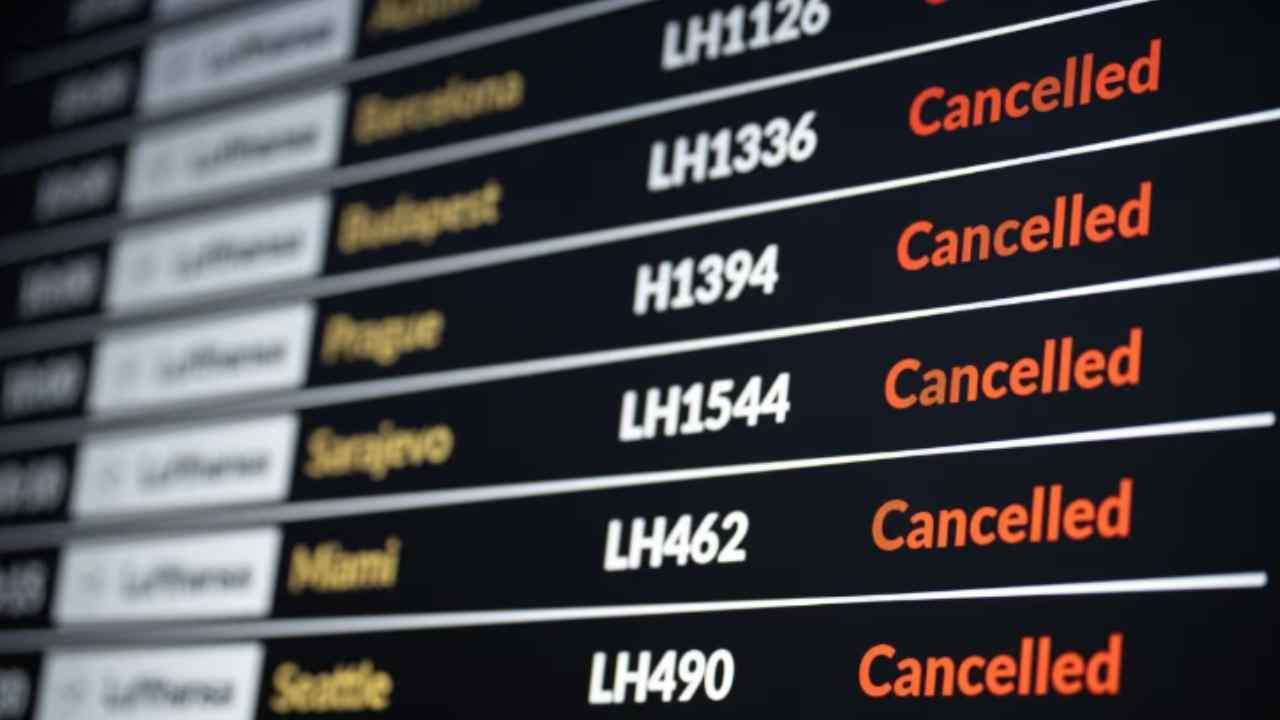
Major carriers American Airlines and United Airlines have collectively canceled nearly 2,700 return flights scheduled for May. The decision comes as part of a broader effort to avoid operational disruptions at one of the world’s busiest airports.
The FAA confirmed in April that it would take steps to curb what it described as “endless delays and cancellations” at O’Hare. Last summer, fewer than 60% of flights at the airport operated on time, highlighting ongoing congestion challenges.
With flight volumes expected to rise significantly—nearly 15% higher on peak days compared to summer 2025—authorities warned of potential overscheduling. To address this, airlines were instructed to reduce their operations to maintain smoother traffic flow and improve reliability for passengers.
FAA Administrator Bryan Bedford emphasized the importance of cooperation between regulators and airlines, noting that the adjustments are intended to enhance safety and provide a more dependable travel experience.
Data from aviation analytics firm Cirium shows that United Airlines is responsible for the majority of the reductions, cutting 1,909 flights from its May schedule. Meanwhile, American Airlines has reduced 787 return trips. On average, about 87 flights per day have been removed.
American Airlines has trimmed services across multiple routes, with at least 10 rotations cut on 24 routes from Chicago. United Airlines’ reductions are even more extensive, affecting 53 routes with similar levels of cuts.
The impact extends beyond Chicago, as key hubs including George Bush Intercontinental Airport, Los Angeles International Airport, and San Francisco International Airport have also seen notable reductions in May departures.
While the cuts represent a small portion of overall operations at O’Hare, they are expected to play a crucial role in preventing widespread disruptions during the peak travel period.