




.svg)
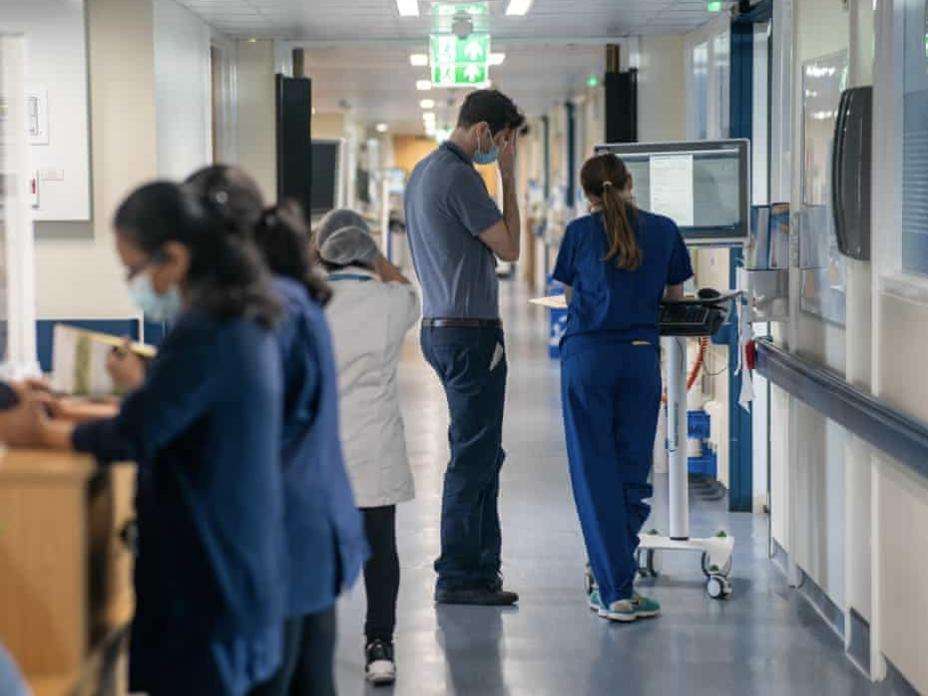
Hundreds of thousands of NHS employees have experienced violence, harassment, bullying, or racism, according to the latest figures released by the NHS.
The 2025 NHS staff survey revealed that around one in seven workers reported being subjected to physical violence from patients or members of the public. Additionally, more than a quarter of staff said they had faced harassment, bullying, or abusive behaviour — the highest level recorded in the past three years.
With the NHS employing approximately 1.5 million people in England, this suggests that roughly 217,000 staff experienced violence, while over 380,000 reported harassment or bullying during 2025 alone.
The survey also found that sexual harassment has reached its highest level on record. Nearly one in ten NHS workers said they had experienced unwanted sexual behaviour within the last year. The problem appears particularly serious among ambulance staff, with about one-third reporting such incidents, while more than one in ten nurses and midwives reported similar experiences.
However, the survey highlighted that many incidents go unreported. Although around 75% of staff said they would report physical violence, only about half indicated they would report harassment or abuse.
These findings follow a recent Guardian investigation, which revealed that NHS trusts recorded nearly 300,000 incidents of physical violence and 50,000 cases of sexual harm in the three years leading up to April 2025. Despite this, reporting varied widely between trusts, with some recording very few incidents.
The survey also exposed significant racial inequality in the workplace. Around one in five Black and minority ethnic (BME) staff said they had experienced abuse, bullying, or harassment from patients or the public, compared with only one in twenty white staff.
Furthermore, one in seven BME employees reported facing similar treatment from colleagues, managers, or supervisors — twice the rate reported by white staff.
Overall, nearly one in ten NHS workers said they had experienced discrimination from patients or members of the public while at work, the highest figure ever recorded.
Prof Nicola Ranger, general secretary of the Royal College of Nursing, said the data once again highlighted the serious levels of violence, sexual harassment, discrimination, and abuse faced by NHS staff, particularly nurses.
She described the situation as a “national emergency for staff safety”, pointing out that the majority of those affected work in a predominantly female profession.
Sarah Woolnough, chief executive of The King’s Fund, said hostility towards healthcare workers cannot be justified.
“While patients may feel frustrated by long waiting times, that can never be an excuse for discrimination,” she said, adding that NHS staff deserve to work in an environment free from fear and abuse.
Danny Mortimer, director general for people at NHS England, described the figures as deeply concerning and said the organisation is committed to improving staff support and encouraging workers to report incidents.
He emphasised that staff safety and wellbeing must remain a top priority and that all employees should feel confident reporting any form of unacceptable behaviour.
