.jpg)





.svg)
The 2026 legal landscape for Shamima Begum has shifted dramatically from the streets of East London to the high courts of Strasbourg.
The European Intervention and the Trafficking Argument
While previous UK court rulings appeared to have permanently barred the British-Bangladeshi woman from her home in Tower Hamlets, the European Court of Human Rights (ECHR) has formally notified the British government of a high-stakes challenge. This new case, lodged as Begum v. United Kingdom, centers on a previously sidelined argument: that the UK failed in its "positive obligation" to protect a child victim of trafficking. Lawyers for the now 26-year-old argue that as a 15-year-old student at Bethnal Green Academy, Begum was groomed and deceived for sexual exploitation—a factor they claim the Home Office ignored when revoking her citizenship in 2019.
Family Ties and the Sylheti Heritage Under Scrutiny
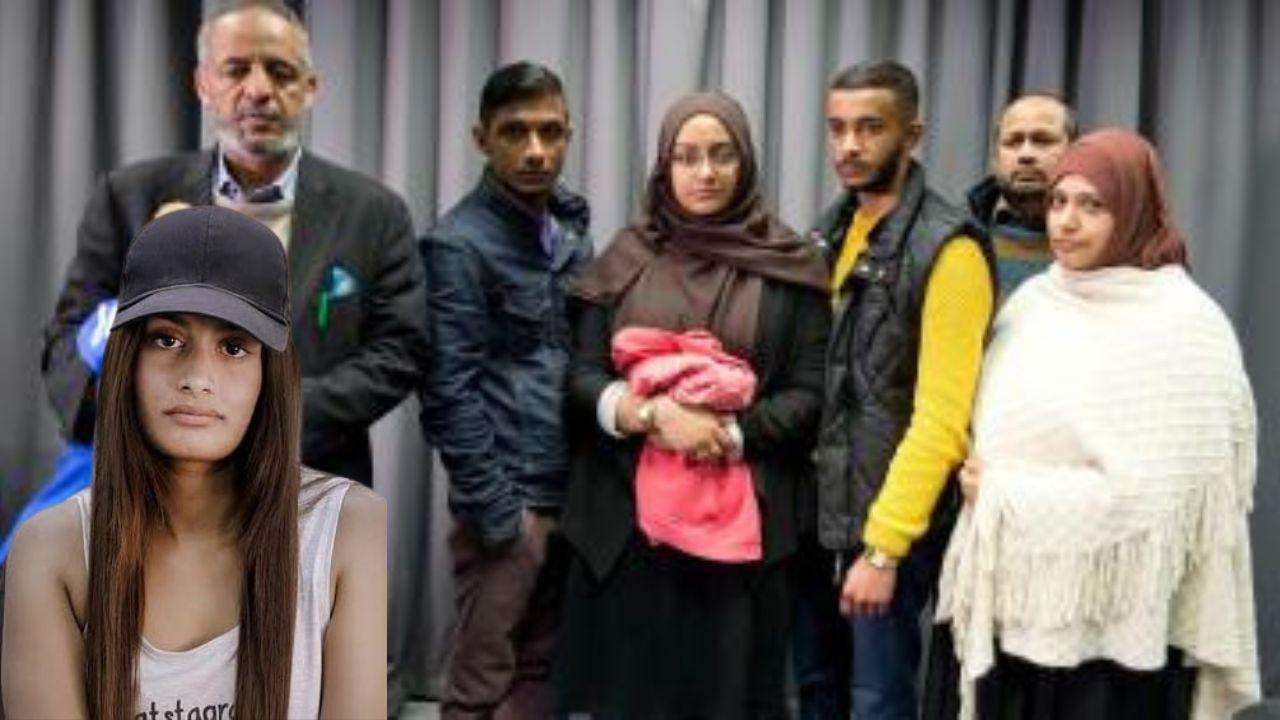
The personal history of the Begum family remains central to the government’s refusal to restore her status. Born to Bangladeshi immigrants from the Sylhet region, Begum’s dual-heritage was the technicality used by former Home Secretary Sajid Javid to strip her nationality without making her "stateless." However, her family in East London, supported by the local community in Tower Hamlets, continues to maintain that she has never held a Bangladeshi passport, has never visited the country, and would face the death penalty if sent there. The family’s legal team is now pressuring the current Home Secretary, Shabana Mahmood, to acknowledge that Begum was a product of the British education and social system, and therefore a British responsibility.
The Looming Security vs. Human Rights Deadlock
The UK government, now led by a Labour administration, has so far mirrored the "precautionary approach" of its predecessors. Despite a recent ruling in the separate "T7" case—where a disabled woman was granted a reconsideration of her return—ministers have signaled that Begum’s case remains distinct due to her perceived role within the Islamic State. However, the ECHR is now demanding answers on whether the UK’s "national security" defense can legally override international anti-trafficking treaties. This creates a potential turning point where the government may be forced to choose between domestic security policy and international human rights compliance.
What Happens Next in the Al-Roj Camp
As 2026 progresses, Begum remains in the Al-Roj detention camp in Northeast Syria, a facility currently facing increased instability due to regional shifts in control. The next phase of her journey will not be decided in a London courtroom, but through the ECHR’s upcoming judgment. If the Strasbourg judges find that the UK breached its duty to investigate the grooming of the "Bethnal Green Three," it could trigger a mandatory review of her citizenship status. This would potentially open a window for her to return to the UK to face trial under British law—a move her family and human rights advocates argue is the only way to achieve true justice.




.jpeg)