



.svg)
Sylheti BNP member secures historic reprieve as Dhaka’s power shift creates a legal "New Example" for South Asian claimants.
The Sylhet Connection: A Decades-Long Shadow Flight
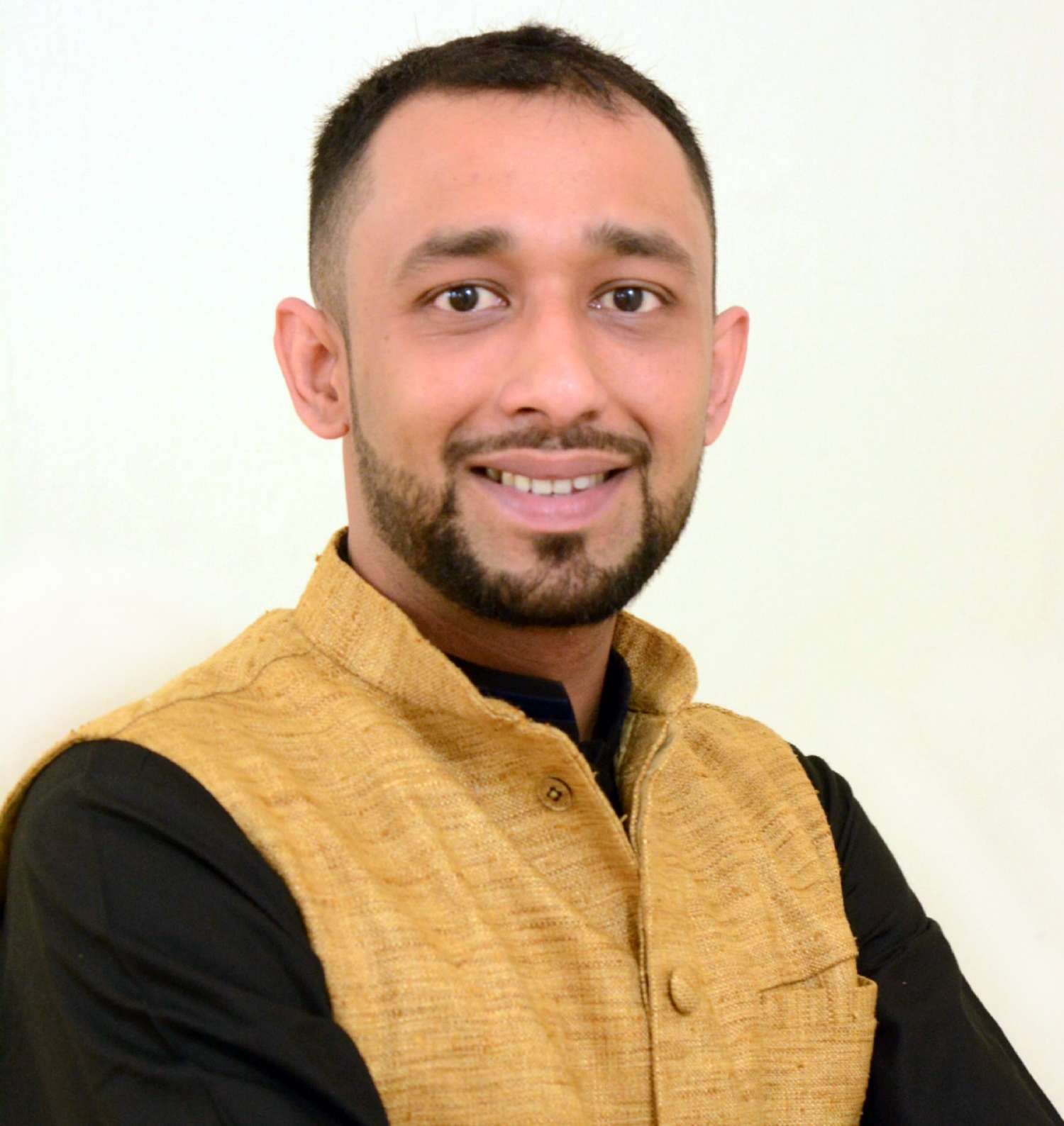
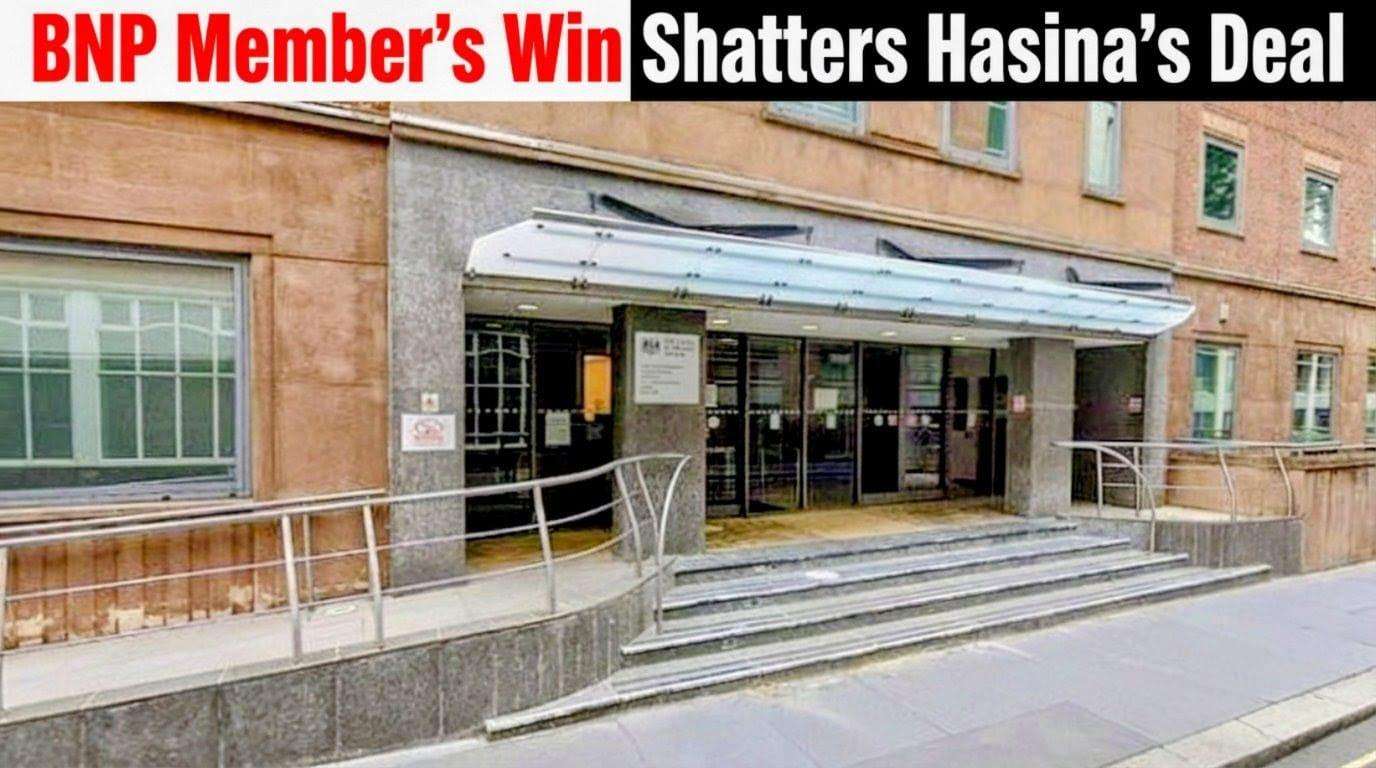
In a case that has redefined the "long-residency" defense in British courts, Munna Miah, a 46-year-old native of Sylhet, has successfully halted his deportation after a 28-year saga. While many asylum seekers are associated with the capital, Dhaka, verified records confirm Miah hails from the migration-heavy Sylhet region. Having entered the UK clandestinely in 1998, Miah lived under the radar for twelve years until his first encounter with authorities during a 2010 arrest. Despite the Home Office’s insistence that his arrival dated only to 2010, the Upper Tier Tribunal has now set aside previous denials, acknowledging the "hostile environment" that makes documenting a three-decade presence nearly impossible.
Read More: Failed Bangladeshi asylum seekers to be deported ASAP under new returns deal
The BNP Paradox: When the Persecuted Become the Powerful
Miah’s case presents a fascinating deeper analysis of international law. He has long claimed membership in the Bangladesh Nationalist Party (BNP), a group that faced severe suppression under the previous regime. However, in a dramatic twist of history, the BNP is now the ruling party in Bangladesh following the February 2026 elections. This shift usually voids asylum claims, as the "fear of state persecution" theoretically vanishes. Yet, Miah’s win creates a "New Example" for South Asian asylum seekers: it proves that long-term integration and procedural errors by the Home Office can outweigh even major changes in a home country’s political landscape. For thousands of Bangladeshis and South Asians in similar legal limbo, Miah’s victory suggests that "time spent" and "family life" in the UK may be more legally robust than temporary political status.
The Hasina-UK "Fast-Track" Shadow
Miah’s legal team had to navigate the strict May 16, 2024, Returns Agreement. Signed between the UK and the then-Sheikh Hasina government, this deal was designed to "fast-track" the removal of failed Bangladeshi asylum seekers by removing mandatory interviews for those with "good supporting evidence" for deportation. The agreement aimed to bypass the lengthy appeals process that Miah has utilized for 14 years. By winning his reprieve in April 2025 and sustaining it through 2026, Miah has effectively punched a hole in the "streamlined" deportation strategy, proving that the British judiciary remains a barrier to automated removals.
What Happens Next: A Blueprint for Resistance
The case now returns to the First-tier Tribunal for a fresh hearing. Legal experts suggest this will be the "litmus test" for the March 2026 UK Asylum Overhaul, which seeks to review refugee status every 30 months. Because Miah has survived the 2024 fast-track deal and the 2026 power shift in Dhaka, his path provides a strategic blueprint for other "overstayers" to challenge the Home Office. As the UK attempts to scale up removals, Munna Miah remains in Britain—a living testament to the complexity of a legal system where a 30-year history can stop a government’s fastest deportation plans.
Commenting on the matter, Barrister Md. Iqbal Hossain, head of London’s Chancery Solicitors, told Daily Dazzling Dawn: "Despite the government’s stringent deportation policies, a legal victory remains achievable through the judicial process if robust evidence of long-term residency can be presented."
