.jpg)





.svg)
The rising influence of Islamic scholarship within the world’s most prestigious Catholic institutions is fostering a new era of global religious harmony.
The landscape of global theological education is witnessing a historic transformation as esteemed Muslim scholars take leading roles at premier Catholic universities. From the historic halls of the Pontifical Gregorian University in Rome to the innovative classrooms of Loyola Marymount in Los Angeles, these theologians are not merely teaching; they are serving as essential bridges of understanding. This movement highlights the profound intellectual synergy between Islamic and Christian traditions, proving that faith-driven scholarship can transcend boundaries to address the most pressing challenges of the modern world.
The Intellectual Vanguard of Rome and North America
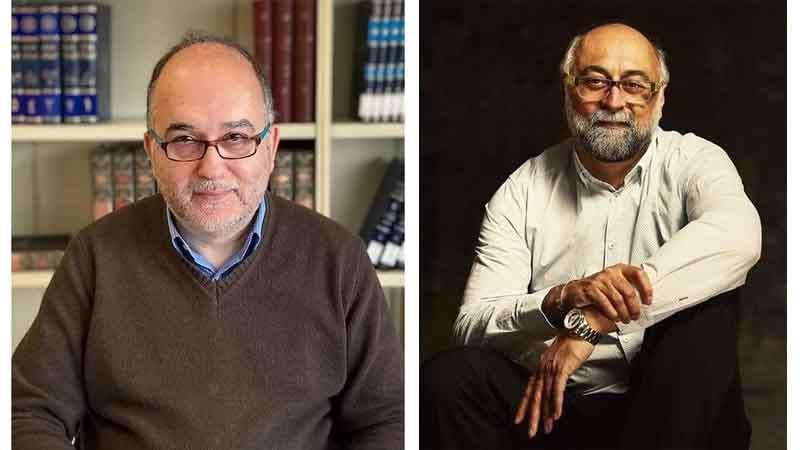
In the heart of the Vatican’s educational network, Professor Adnane Mokrani has spent three decades reshaping how Islamic theology is understood within the Catholic Church. Born in Tunisia and raised in Algeria, Mokrani’s presence at the Gregorian University is a testament to the "interior vision" he brings to his students, many of whom are preparing for service in Muslim-majority nations. His work emphasizes that Islam is a rich, pluralistic tapestry of cultures and theologies, far removed from the narrow generalizations often found in mainstream media. Similarly, in North America, Dr. Amir Hussain has broken historic barriers as the first non-Christian scholar to be tenured and serve as Chair of Theological Studies at Loyola Marymount University. A Canadian Muslim with deep roots in the study of contemporary Muslim societies, Dr. Hussain’s leadership underscores the vital contribution of Islamic perspectives to the broader mission of humanistic and religious education.
Human Fraternity and the Theology of Non-Violence
A pivotal moment in this growing relationship was the signing of the "Document on Human Fraternity for World Peace and Living Together" by Pope Francis and the Grand Imam of Al-Azhar. This landmark agreement has provided a roadmap for scholars like Professor Mokrani to champion a "theology of non-violence." This academic framework is not just about political activism; it is a spiritual project aimed at purifying religious thought from the temptations of power and manipulation. By focusing on the Quranic principles of defensive ethics and the sanctity of life, these scholars are educating a new generation on the authentic, peaceful soul of Islam. They argue that true religious vocation must always be a message of humanization and peace, particularly in an age where technology has made the cost of conflict unacceptably high.
Building a Shared Future of Respect and Integration
Beyond the classroom, these theologians are tackling the complex issues of migration and social integration in the West. They advocate for cultural integration rooted in education and shared destiny, rather than fear or exclusion. By highlighting the deep potential for shared values, they are helping to dismantle "propaganda of fear" that often surrounds immigrant communities. The presence of Muslim leadership in Catholic institutions serves as a powerful, living model of how different faiths can work together for a "shared mission of humanization." This collaborative approach is expected to expand further into areas like eco-theology and social justice, where Islamic and Christian principles find common ground in protecting creation and the vulnerable.
The Path Ahead for Interfaith Leadership
Looking toward the future, the influence of these scholars is set to grow as more institutions recognize the necessity of inter-religious literacy. We are likely to see an increase in joint research projects and international forums that move beyond theoretical debate into "applied theology"—the theology of life. As religious leaders and educators continue to build these bonds of trust and friendship, the focus will shift toward creating educational systems that immunize the youth against extremism by offering them a robust, intellectually grounded understanding of their faith. The journey of these theologians proves that when scholars from different traditions sit together, the result is not a compromise of faith, but a deeper, more authentic realization of God’s message of peace for all humanity.