





.svg)
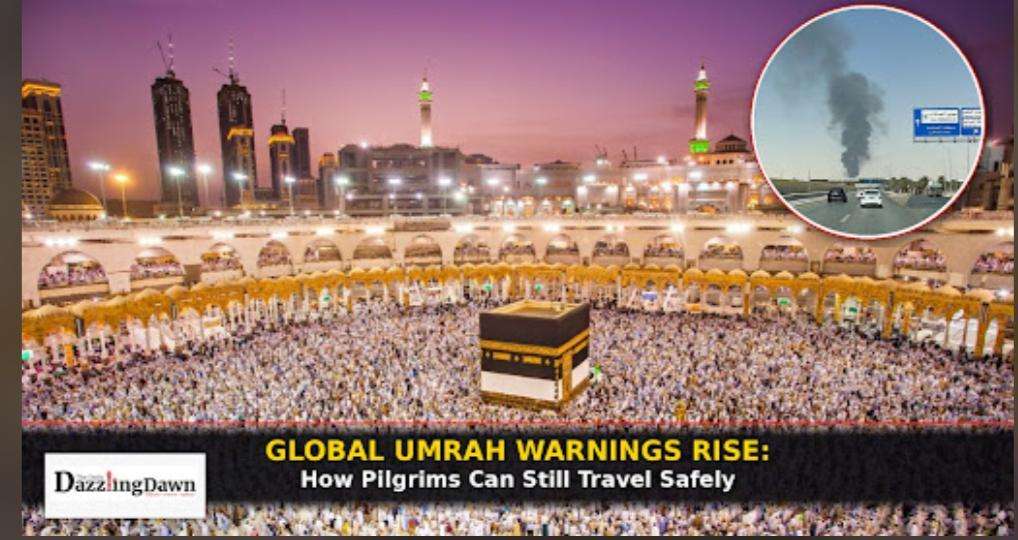
Diplomatic authorities across multiple jurisdictions have placed prospective pilgrims on high alert, with Singapore formally urging citizens to postpone Umrah trips and the United Kingdom advising against all but essential travel to key Saudi transit gateways. The synchronized warnings follow missile and drone strikes directed against critical infrastructure and civilian transport hubs, including King Khalid International Airport in Riyadh. With sovereign diplomatic missions and religious councils coordinating responses, travellers embarking upon spiritual journeys to Mecca and Medina face an altered transit landscape defined by airspace adjustments, tightened consular oversight, and urgent calls for heightened caution.
Singapore currently stands as the leading sovereign administration explicitly requesting that citizens reconsider pilgrimage departures. The Republic’s Ministry of Foreign Affairs advised against all non-essential travel to Saudi Arabia, prompting an aligned decree from the Islamic Religious Council of Singapore (MUIS). Religious authorities in Singapore acknowledged the profound personal commitment underpinning each pilgrimage journey, yet underscored the Islamic imperative to prioritize the preservation of human life amid heightened physical and logistical risks across the Arabian Peninsula.
Western diplomatic bodies have simultaneously escalated official travel advisories, directly affecting transit corridors utilized by international pilgrims. The UK Foreign, Commonwealth & Development Office (FCDO) updated its formal guidance to advise against all but essential travel to Riyadh province, Jeddah, and all international airports across Saudi Arabia, with the sole operational exception of Prince Mohammad Bin Abdulaziz International Airport in Medina. Because conventional travel insurance policies generally exclude claims arising in destinations under active diplomatic warnings, British and European pilgrims traversing traditional transit routes via Jeddah now encounter severe contractual liabilities alongside logistical hurdles.
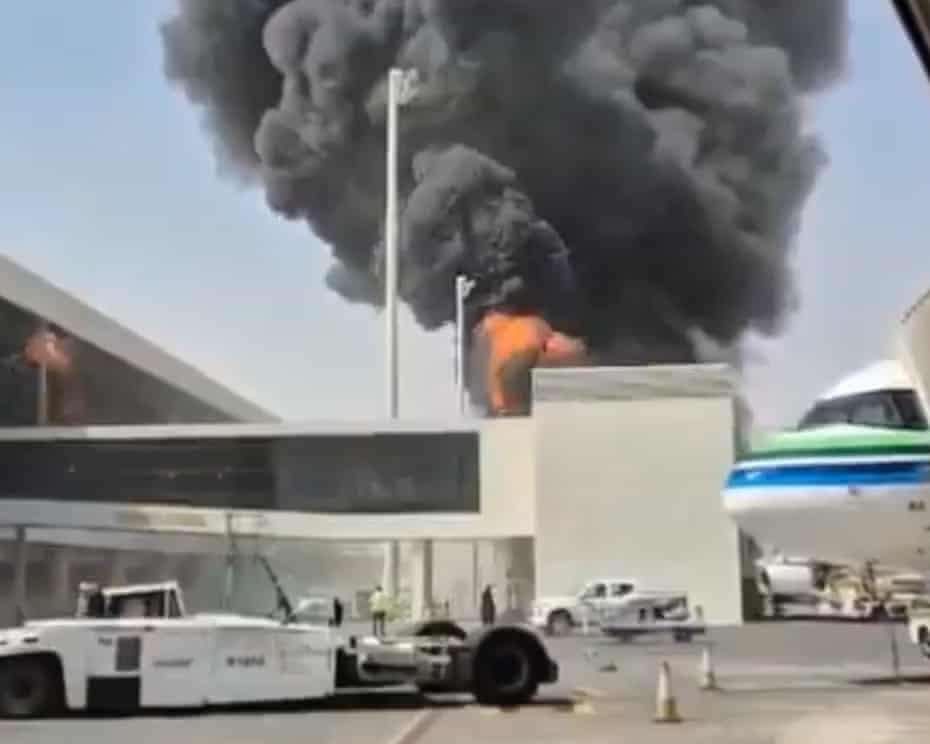
The sudden elevation of international threat assessments follows coordinated cross-border strikes conducted by Yemeni Houthi forces targeting Saudi civilian and energy infrastructure. The assault on King Khalid International Airport in Riyadh prompted swift international condemnation, with Cairo’s Grand Imam of Al-Azhar, Ahmed al-Tayyeb, denouncing military action against civilian terminals and transit routes used by pilgrims. Regional carriers, including EgyptAir, instituted precautionary flight revisions, while foreign ministries throughout Southeast Asia and Europe mobilized rapid-response consular desks to trace citizens currently positioned within the Gulf region.
For devotees holding confirmed itineraries, paid hotel packages, and non-refundable flight bookings, widespread advisory upgrades present acute logistical complications. Speaking to Daily Dazzling Dawn, pilgrimage liaison representatives noted that MUIS and consumer advocates have urged accredited Umrah tour operators to exercise administrative leniency. Licensing boards have specifically appealed to agencies to extend flexible date rescheduling frameworks, mitigating the financial penalties imposed on individual travellers who defer departures in accordance with sovereign advisories.
Devotees already in Saudi Arabia or committed to immediate transit must navigate heightened security precautions throughout the holy sanctuaries. Daily Dazzling Dawn understands that foreign embassies in Riyadh and Jeddah have expanded emergency communication registers, urging foreign nationals to confirm their active presence with domestic consular databases. Travel analysts stress that constant synchronization with accredited ground handlers remains mandatory, particularly as localized flight rerouting impacts domestic transfers between the central province and the western holy cities.
Devotees proceeding with pilgrimage arrangements must execute rigorous logistical safeguards to minimize transit disruptions and personal exposure. Where practical, international arrivals should be routed directly into Prince Mohammad Bin Abdulaziz International Airport in Medina, which remains excluded from British essential-travel restrictions and has experienced fewer commercial schedule diversions than central aviation hubs. If transit through King Abdulaziz International Airport in Jeddah is unavoidable, travelers must pre-arrange ground transfers with licensed institutional operators and avoid prolonged stays in non-secure terminal perimeters.
Ground mobility between Mecca and Medina should be conducted exclusively via dedicated high-speed rail systems, specifically the Haramain high-speed rail corridor, which maintains dedicated security infrastructure and closed perimeter monitoring. Travellers must secure robust international travel insurance coverage that explicitly covers geopolitical delays and medical evacuation under altered foreign office alerts. Devotees should continuously monitor notifications published through the official Nusuk portal, coordinate with the Saudi Ministry of Hajj and Umrah, respect regional crowd-control directives, and retain secure electronic copies of entry visas, identification records, and emergency consular contacts throughout their stay.


.jpg)


.jpg)