






.svg)
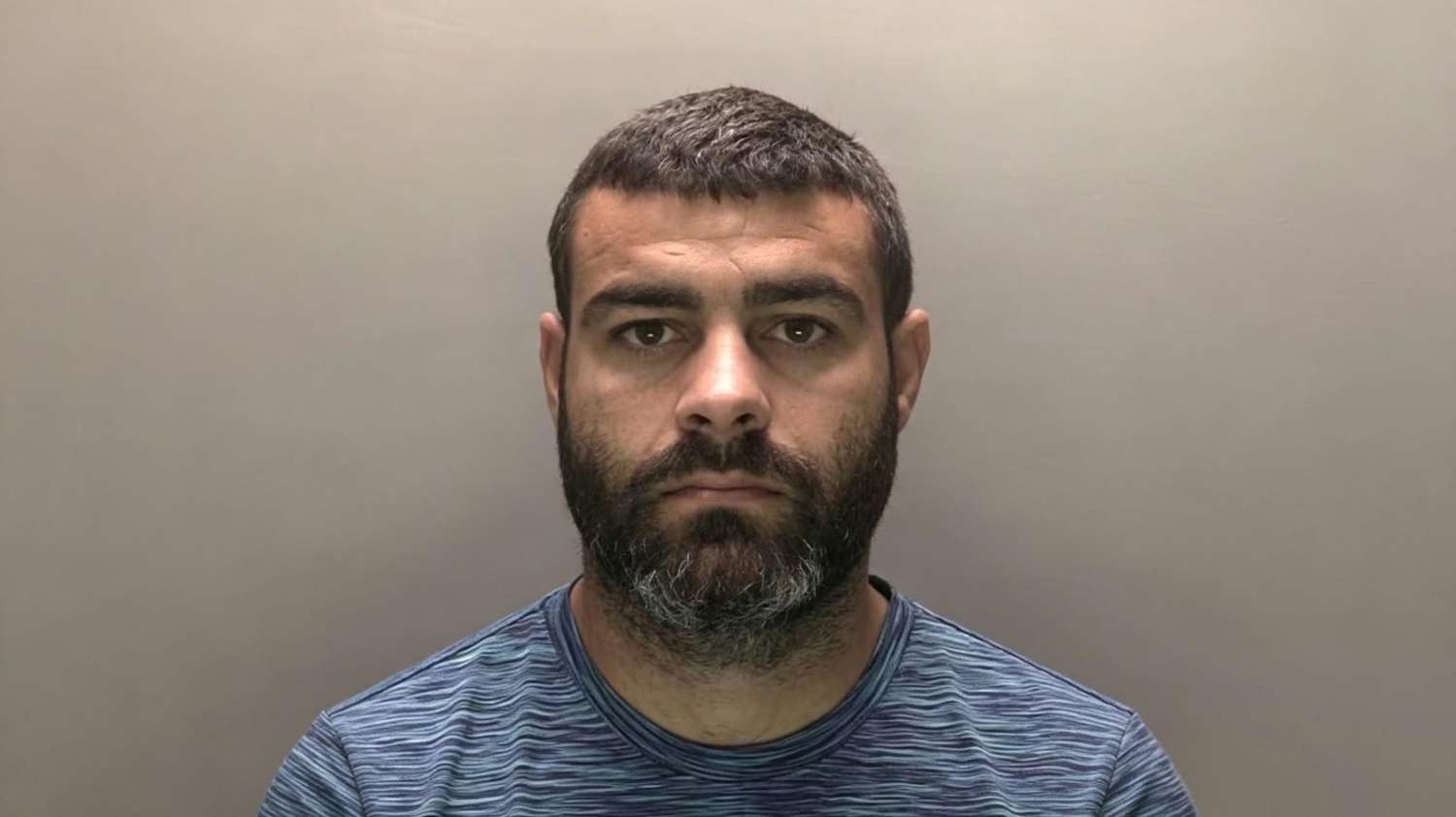
Ahmad al-Saqar, the 28-year-old Jordanian national wanted in connection with the murder of American mother Jamey Carney in County Kerry, will remain in detention in Amman as Irish authorities pursue diplomatic and legal avenues to secure his return to Ireland. The 43-year-old New York native was found asphyxiated inside her home off Muckross Road in Killarney on 7 July, hours after Mr al-Saqar boarded an early-morning bus out of the town and fled the jurisdiction via Dublin Airport. With an arrest warrant formally endorsed by Ireland's Director of Public Prosecutions, investigators from An Garda Síochána are now navigating complex bilateral arrangements to ensure the suspect faces trial before an Irish court.
The tragic discovery was made shortly after 1:20 pm on 7 July by Ms Carney's teenage daughter, who returned to the family’s rented accommodation to find her mother deceased in a bedroom. Forensic examinations determined that Ms Carney had sustained a violent physical assault and died of asphyxiation at approximately 11:00 pm the previous evening. Her assailant had concealed her remains beneath bedclothes in an apparent attempt to give the impression that she was merely asleep. The teenage daughter, who had resided in Killarney alongside her mother since relocating from the United States in 2021, has since been supported by family liaison officers and specialized welfare services while coping with the immediate trauma of discovering the crime scene.
Detectives probing the circumstances surrounding the death established that Ms Carney had entered a relationship with Mr al-Saqar several months prior to her death, shortly after receiving an inheritance valued at nearly €400,000. Mr al-Saqar, who had resided in Turkey, France, and the United Kingdom before seeking asylum in Ireland in mid-2024, departed the property during the overnight hours. He travelled across the country to Dublin Airport, boarding an outbound commercial flight to Turkey before port alerts could be disseminated. From Istanbul, he transited through Syria before reaching Jordan, where he was apprehended by the Directorate of Public Security within 24 hours of his arrival.
Diplomatic Hurdles In Extradition Process
Securing the transfer of Mr al-Saqar presents intricate legal challenges for authorities in Dublin. Ireland possesses no formal bilateral extradition treaty with the Hashemite Kingdom of Jordan, requiring diplomats to operate under international mutual assistance provisions and ad-hoc trade and co-operation frameworks. Furthermore, Jordanian jurisprudence rarely permits the extradition of its own nationals to foreign states for non-terrorist offences. Under the penal framework of Jordan, a suspect can remain in formal pre-trial detention for up to 18 months in relation to serious capital crimes such as murder.
Senior Irish government officials, including Minister for Justice Jim O'Callaghan, have confirmed that every judicial channel remains open to ensure proceedings take place in the jurisdiction where the homicide occurred. Speaking on the international dimension, Mr O'Callaghan noted that An Garda Síochána maintains robust inter-agency links across the Middle East and emphasized that legal precedents exist where suspects have been returned under bespoke judicial agreements. Garda Commissioner Justin Kelly has similarly acknowledged the swift assistance offered by police leadership in Amman, which acted proactively to intercept the suspect despite the absence of an initial international arrest alert.
Daily Dazzling Dawn understands that two senior Garda detectives travelled directly to the Jordanian capital to brief security officials on the forensic evidence collected in Killarney. At the same time, authorities in Amman have indicated that Jordanian statutes accommodate extraterritorial jurisdiction, which legally permits their domestic courts to try citizens for serious offences committed overseas if those actions are deemed contrary to Jordanian legal standards.
The American Dimension And Family Statements
Ms Carney's status as a United States citizen has introduced another layer of international interest. While federal authorities in Washington cannot directly seek extradition given that the offence occurred on Irish soil, the United States maintains an active extradition treaty and close intelligence ties with Jordan. Legal observers note that American diplomatic representations may offer crucial support to the Irish government's campaign for an extradition hearing.
Relatives of Mr al-Saqar in Jordan have publicly responded to international press coverage surrounding the investigation, maintaining his legal presumption of innocence and issuing cautions regarding potential defamation claims against speculative reporting. Should the judiciary in Amman ultimately approve an extradition request from Dublin, legal counsel for Mr al-Saqar retains the statutory right to challenge the decision before Jordan's highest appellate body, the Court of Cassation.
Gardaí continue to liaise with the Office of the Director of Public Prosecutions and the Department of Foreign Affairs to formalize extradition documentation, while local community support structures in County Kerry remain focused on assisting Ms Carney’s surviving daughter through the ongoing legal process.