




.svg)
Prime Minister Andy Burnham has announced major changes to the government's controversial early release programme, confirming that rapists, child sexual abusers and grooming offenders will no longer qualify for early release from prison.
The decision comes amid growing concerns over severe overcrowding in prisons across England and Wales. The government has also delayed the planned rollout of the scheme by one month, pushing it back from September to October.
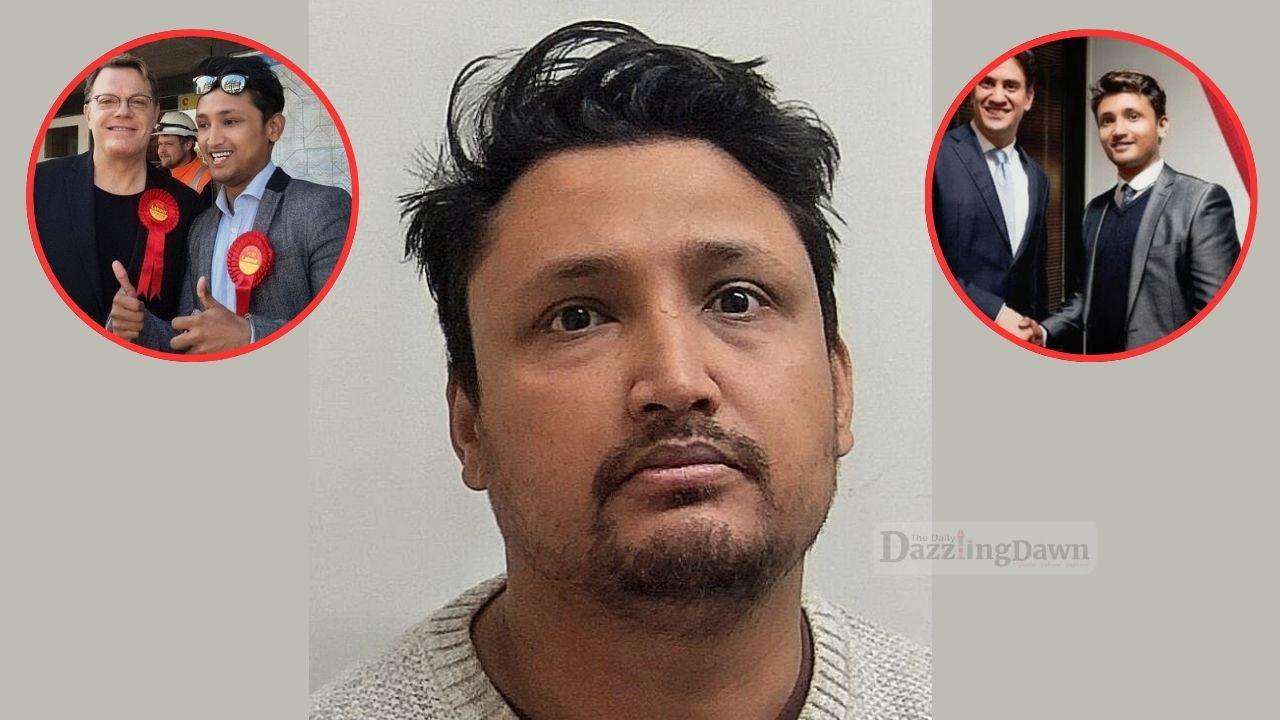
Ex-Labour candidate jailed: Who is British-Bangladeshi fraud Amran who wanted to become MP?
Burnham said he ordered an urgent review of the policy after widespread criticism from victims' groups, campaigners, police representatives and MPs. Following the review, the government decided to exclude those convicted of rape, serious child sexual offences and grooming crimes from benefiting from reduced prison terms.
"I fully understand the anger, anxiety and distress that this proposal has caused," Burnham said. "That is why we are making significant changes to ensure the most serious sexual offenders remain excluded."
Despite the changes, the revised scheme will still allow some violent offenders, domestic abusers and certain killers to be released earlier than previously planned. This includes Jessie Cole and Albert Bowers, who were convicted of manslaughter in the 2019 death of PC Andrew Harper and sentenced to 13 years in prison in 2020.
The decision has sparked strong criticism from victims' advocates and police leaders. Domestic Abuse Commissioner Dame Nicole Jacobs warned that allowing domestic abusers to benefit from the scheme could place victims at greater risk.
She argued that perpetrators of domestic abuse often remain focused on controlling and harming their victims and that their potential early release raises serious safety concerns.
Andrea Simon, London's Victims' Commissioner, also expressed alarm, citing existing pressures on probation services and concerns about effective supervision of offenders released into the community.
The government has defended the changes, arguing that the prison system is facing a critical capacity crisis. Officials have warned that without intervention, prisons could run out of space within months, creating wider risks to public safety and the justice system.
Under the revised plans, prisoners serving longer sentences could become eligible for release after serving half of their sentence instead of the previous two-thirds requirement, provided they meet certain behavioural standards while incarcerated. However, those convicted of rape and the most serious child sexual offences will now be excluded.
The Ministry of Justice has not disclosed how many prisoners will be affected by the latest changes or provided updated projections on future prison capacity.
The Police Federation and Thames Valley Police have both criticised the decision to continue allowing the early release of offenders connected to PC Harper's death. Police leaders argue that such moves risk undermining public confidence in the justice system and cause additional pain to victims' families.
Alongside the announcement, the government unveiled a £10 million package aimed at supporting victims of crime and pledged stronger community supervision measures, including enhanced monitoring and exclusion zones for released offenders.
Burnham acknowledged that concerns remain over the release of some offenders but insisted that further restrictions could lead to prisons reaching full capacity and potentially collapsing under pressure.
The debate highlights the growing challenge facing the UK's justice system as ministers attempt to balance public safety, victims' rights and the urgent need to address prison overcrowding.