





.svg)
The family of Police Constable Andrew Harper has expressed outrage after learning that two of the men responsible for his death could still be eligible for early release under the UK government's revised prison overcrowding measures.
Andrew Harper, 28, was killed in August 2019 while responding to the theft of a quad bike in Berkshire. He became caught in a tow rope attached to a fleeing vehicle and was dragged along a country road, suffering fatal injuries.
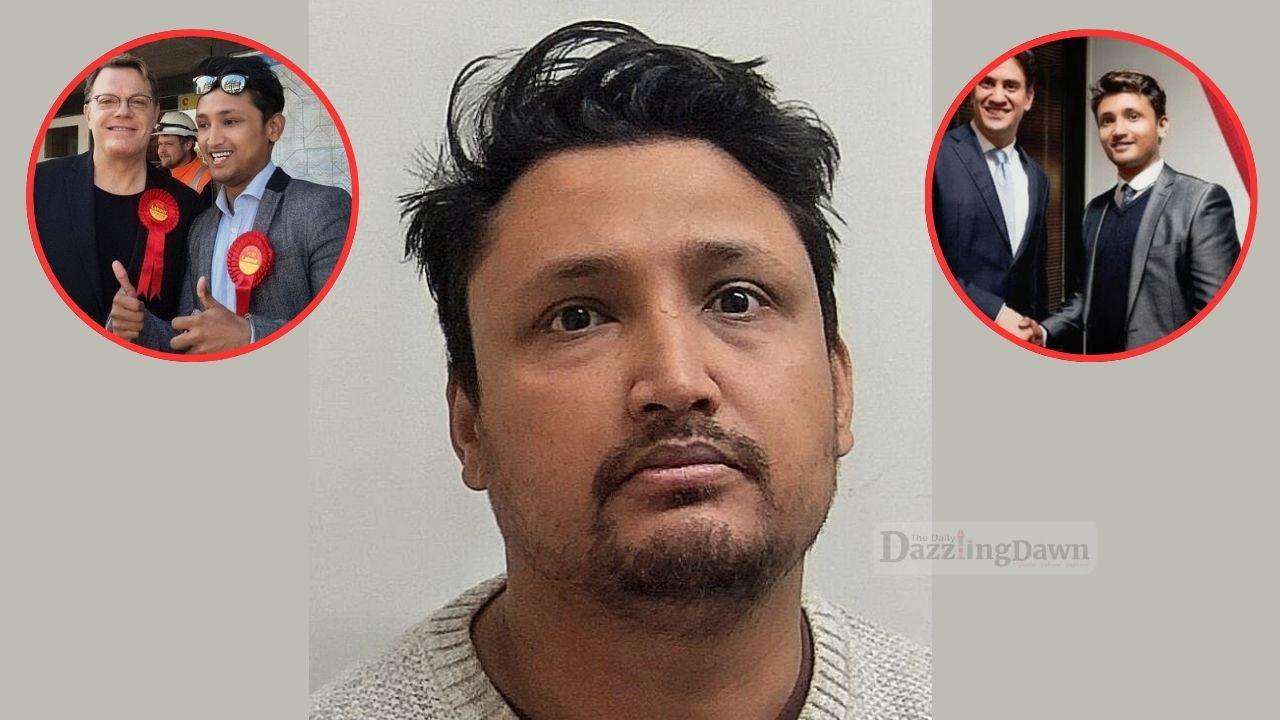
Ex-Labour candidate jailed: Who is British-Bangladeshi fraud Amran who wanted to become MP?
His mother, Debbie Adlam, said she was "devastated" by the government's decision to allow two of the offenders to remain eligible for early release. She said the family felt they were being forced to fight for justice once again after believing the legal process had already delivered accountability.
The three teenagers involved in the incident were convicted in connection with Harper's death. Driver Henry Long received a 16-year prison sentence and is not expected to benefit from the early release scheme. However, passengers Jessie Cole and Albert Bowers, who were sentenced to 13 years for manslaughter in 2020, could become eligible for release after serving half of their sentences.
Harper's widow, Lissie Harper, also criticized the decision, describing it as "disgusting" and saying she was furious that her husband's killers could soon be free.
Thames Valley Police Chief Constable Jason Hogg called the move "demoralising" for police officers, arguing that those responsible for the death of a serving officer should not be considered for early release.
The controversy comes after the government announced changes to its plans aimed at easing severe pressure on prisons across England and Wales. Under the revised policy, offenders convicted of rape, grooming, and serious child sexual offences will be excluded from early release measures.
Justice Secretary Andy Burnham acknowledged public concern over the policy and said he would have preferred to exclude more offenders. However, he argued that the prison system is facing a critical capacity crisis and that failing to address overcrowding could create greater risks to public safety.
Under the new rules, many prisoners serving sentences of four years or more will be eligible for release after serving half of their terms, rather than two-thirds. Less serious offenders could be released after serving one-third of their sentences. The changes are expected to be introduced gradually, beginning in October.
The government has said that most prisoners released early will be subject to electronic tagging, enhanced supervision, and strict restrictions on their movements. An additional £10 million has also been allocated to front-line victim support services, including a new national helpline.
Despite these changes, critics argue that the reforms do not go far enough. Opposition politicians, victim advocates, and campaigners have expressed concern that some killers and domestic abuse offenders could still benefit from the scheme.
Victims' Commissioner Claire Waxman said the exemptions would feel deeply unfair to families such as the Harpers, while Domestic Abuse Commissioner Dame Nicole Jacobs warned that victim safety must remain the government's top priority.
The debate highlights the difficult balance facing ministers as they attempt to reduce prison overcrowding while addressing concerns from victims' families and maintaining public confidence in the justice system.