.jpg)
_1.jpg)





.svg)
East London parents clash over strict discipline rules at Mossbourne Academy as reviews trigger £400,000 legal costs and reform calls.
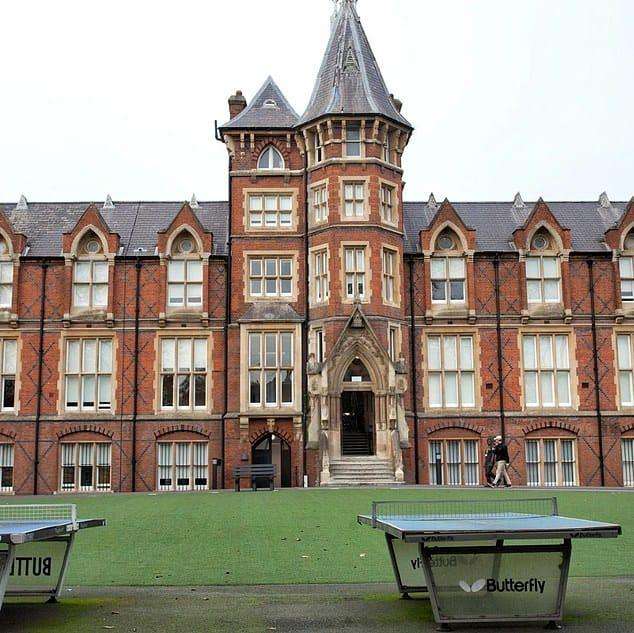
An ideological divide among parents at Mossbourne Victoria Park Academy in East London has escalated following two independent safeguarding reviews that brought the school's strict disciplinary regime under national scrutiny.
The top-performing secondary school—renowned for ranking in the top five non-selective state schools nationally for student progress—is now the focal point of a wider debate over whether "no excuses" behavior policies empower disadvantaged pupils or inflict harm on vulnerable children. As regulatory bodies and government officials evaluate the findings, the outcome in Hackney could set a precedent for academy governance across the United Kingdom.
High Attainment Meets High Tension
Established in 2004 under the umbrella of the Mossbourne Federation, the academy was founded on the conviction that state school pupils in East London deserve the highest academic standards regardless of background. With nearly half of its 833 pupils eligible for free school meals and 40 percent speaking English as an additional language, the school has consistently earned "Outstanding" ratings from Ofsted while delivering exceptional examination results.
The cornerstone of this success has been an unyielding code of conduct. Upon enrollment, families agree to strict behavioral guidelines that prohibit mobile phones, clock-watching, talking in corridors, and non-essential group gatherings after school. Minor infractions, such as dropping a pen or going to the restroom during class, can lead to immediate detention or supervised catch-up sessions.
Supporters argue that this structured environment provides essential stability. "My children's friends are from all different backgrounds and they are getting opportunities they would never usually get," one mother told journalists, noting her son with autism thrived under the clear expectations. "It's not a machine for churning out robots who pass exams. The kids are hard-working, polite people."
A local business owner with two sons at the school echoed these sentiments to journalists: "Why would you want to break the thing that gives social mobility and opportunity to children who otherwise wouldn't have it? The vast majority of parents aren't looking for the school to do anything different."
Scrutiny and Independent Reviews
The dispute intensified after former parent Andy Leary-May raised concerns regarding how the school managed his son’s return following a prolonged illness. After withdrawing his child, he launched "Educating Hackney," a collective platform that compiled parental complaints.
The resulting pressure prompted dual inquiries: a safeguarding practice review commissioned by the City & Hackney Safeguarding Children Partnership (CHSCP), led by former local children's services chief Sir Alan Wood CBE, and an internal independent review commissioned by the trust, led by Anne Whyte KC.
Together, the inquiries landed the academy with a legal and consultancy bill reaching £400,000. The Wood review concluded that while the school achieved outstanding academic progress, its behavioral framework operated with an inflexible rigidity that risked emotional detriment to a minority of pupils, particularly those with special educational needs and disabilities (SEND).
Jim Gamble, the Independent Safeguarding Children Commissioner for City & Hackney, stated that while Mossbourne delivers top academic outcomes, an equitable balance between high expectations and pastoral care had not been achieved. Conversely, national behavior advisers defended the school, arguing that strict discipline remains essential for safe and focused classrooms.
In an exclusive analysis for Daily Dazzling Dawn, education policy observers noted that the confrontation highlights a growing national friction between traditional academy autonomy and centralized safeguarding mandates.
The focus now shifts to how the Department for Education (DfE), Ofsted, and the Mossbourne Federation respond to the recommendations outlined in both reviews.
First, the Mossbourne Federation has pledged to implement structural updates to its parent communication channels and complaints processes, as recommended by Anne Whyte KC. The trust’s governing board is reviewing internal policies to ensure pastoral support mechanisms remain responsive to pupils with complex health or learning needs without eroding baseline behavioral standards.
Second, the Department for Education is actively monitoring the academy's progress. A DfE spokesperson confirmed that officials are engaging with the trust to oversee necessary adjustments, emphasizing that school environment policies must combine calm classrooms with inclusion for all student demographics.
Third, inspectors at Ofsted face broader sector questions regarding how future inspections evaluate the balance between strict behavioral frameworks and pupil mental health metrics. Educational policy analysts anticipate that updated inspection frameworks may place greater scrutiny on how non-selective schools adapt zero-tolerance models for SEND students.
For the families of East London, the overarching goal remains preserving educational excellence while ensuring every student receives appropriate individual care.