

.svg)
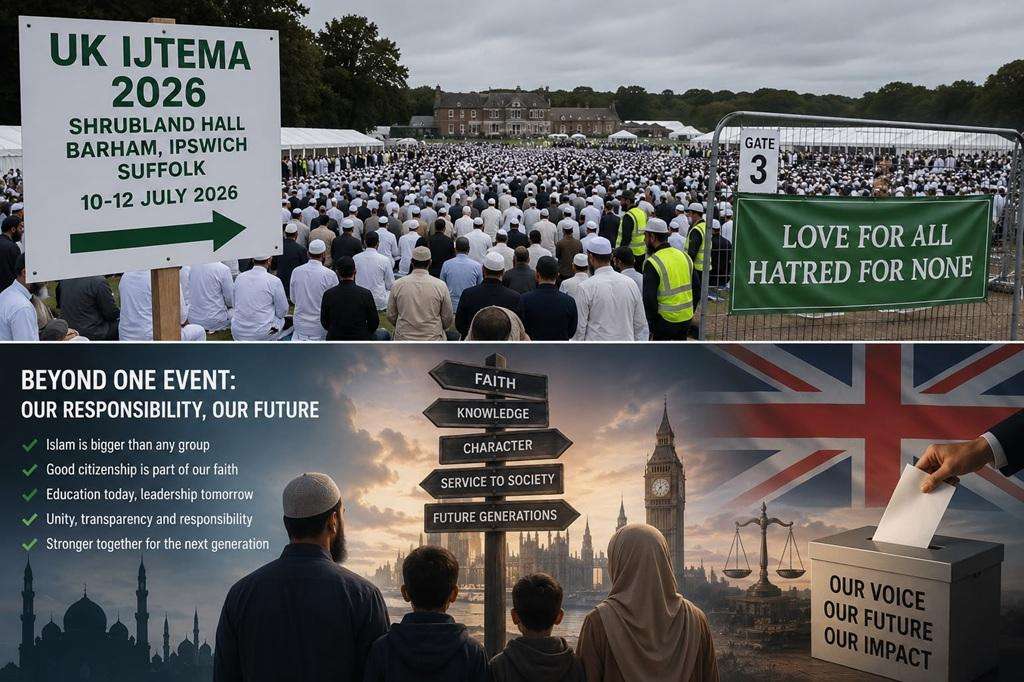
The recent Ijtema held in Ipswich has become far more than a religious gathering. It has sparked discussions about community relations, public perception, social responsibility, and the future of British Muslims in an increasingly polarised political climate.
For me, the most important question is not how many people attended, nor how large the event was. The real question is this: what message are we leaving for the next generation of British Muslims?
Britain’s Muslim community has spent decades building its reputation through education, business, medicine, law, journalism, public service and political participation. Thousands of Muslims contribute positively to British society every single day. Yet public perception is often shaped not by the quiet achievements of ordinary citizens, but by a handful of highly visible events that dominate headlines.
That is why we must be prepared to engage in honest self-reflection.
It is important to distinguish between Islam as a faith and religious organisations or movements within Islam. Tablighi Jamaat is one such movement with followers around the world who see it as a means of encouraging religious practice. At the same time, millions of Muslims practise their faith without any connection to it. No single organisation or movement represents the entirety of Islam or the diversity of the global Muslim community.
This distinction matters because public debate often overlooks it.
When one organisation becomes the most visible face of Muslims in the public eye, many people outside the community may wrongly assume that it speaks for all Muslims. Whether that perception is fair or not, it can influence public opinion, media narratives and political debate.
This is where the long-term consequences begin.
Across Europe, immigration, integration, religious identity and national security remain politically sensitive issues. The United Kingdom is no exception. Political parties across the spectrum continue to debate how communities integrate, how public events are managed and how social cohesion can be strengthened.
In that environment, any large religious gathering inevitably attracts attention—not only from local authorities and the media, but also from political actors who may interpret events through their own ideological lens.
The concern is not simply about one event.
The concern is how such events may shape wider public attitudes towards ordinary British Muslims who have no connection with the organisers but may nevertheless be judged by association.
Our children will inherit the consequences of today’s public perceptions.
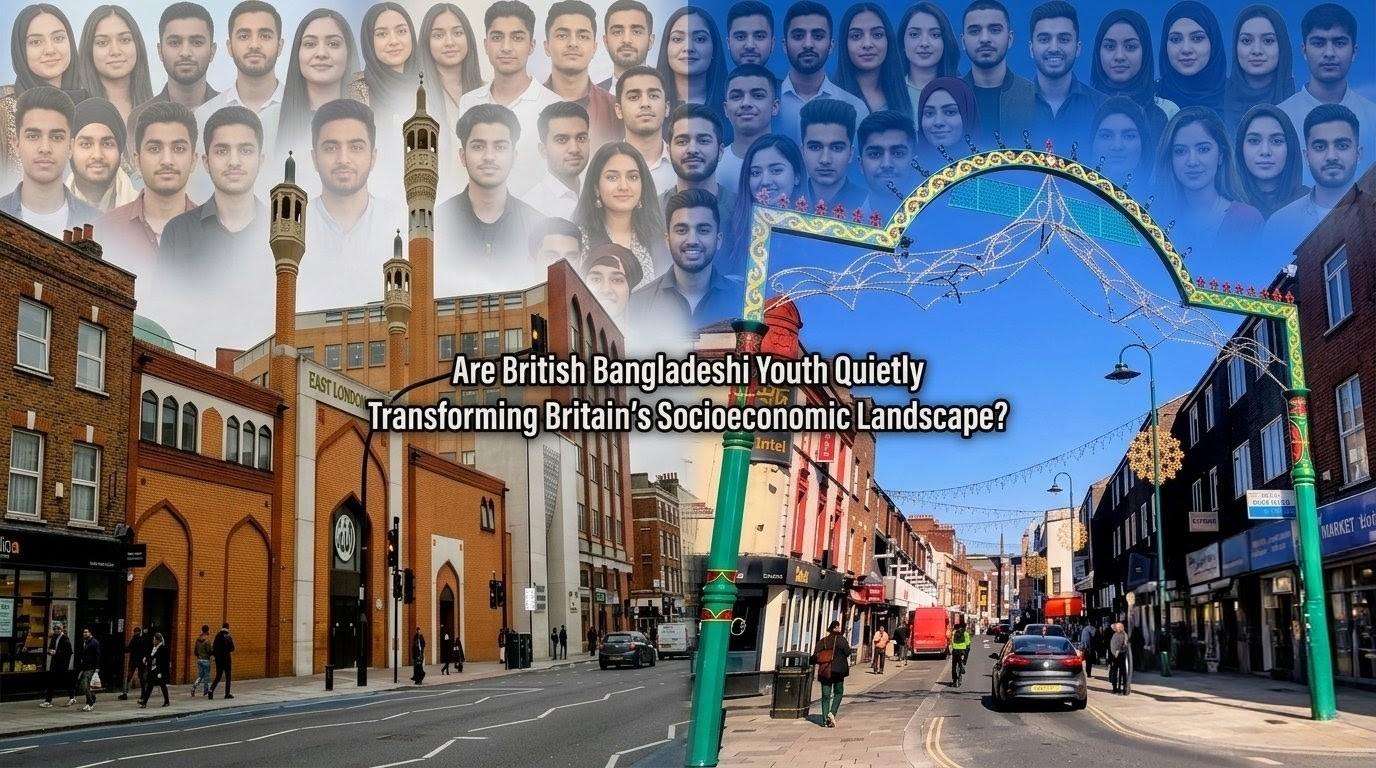
The young Muslim growing up in Britain today may become tomorrow’s doctor, barrister, judge, police officer, teacher, journalist or Member of Parliament. They deserve to enter those professions based on their talent and character—not while carrying the burden of misconceptions created by others.
For that reason, Muslim communities should view major public events not only as expressions of religious freedom but also as opportunities to demonstrate civic responsibility. Careful planning, transparency, cooperation with local authorities, respect for neighbours and full compliance with the law are not merely administrative requirements; they reflect values that many Muslims regard as consistent with Islamic ethics.
Our focus should also extend beyond organising large gatherings.
We should be investing far more energy in educating our young people, developing future community leaders, encouraging academic excellence, promoting public service, supporting charitable work and strengthening engagement with wider British society. These are investments that will benefit both Muslims and the country they call home.
The next generation should understand that Islam is larger than any organisation, movement or personality. Their primary reference points should be the Qur’an, the authentic teachings of the Prophet Muhammad (peace be upon him), sound scholarship, good character and responsible citizenship.
Organisations may evolve, leadership may change and movements may rise or decline. Faith, however, should never become dependent upon organisational identity.
This article is not an attack on any particular group. It is an appeal for thoughtful reflection.
If British Muslims wish to shape their own future, they must also shape their own public narrative. If they do not, others will do it for them.
The future of Muslims in Britain will not be determined solely by politics or media headlines. It will be determined by the values we pass to our children, the trust we build with our neighbours, and the contribution we make to the society in which we live.
History rarely remembers communities for their slogans.
It remembers them for their character.
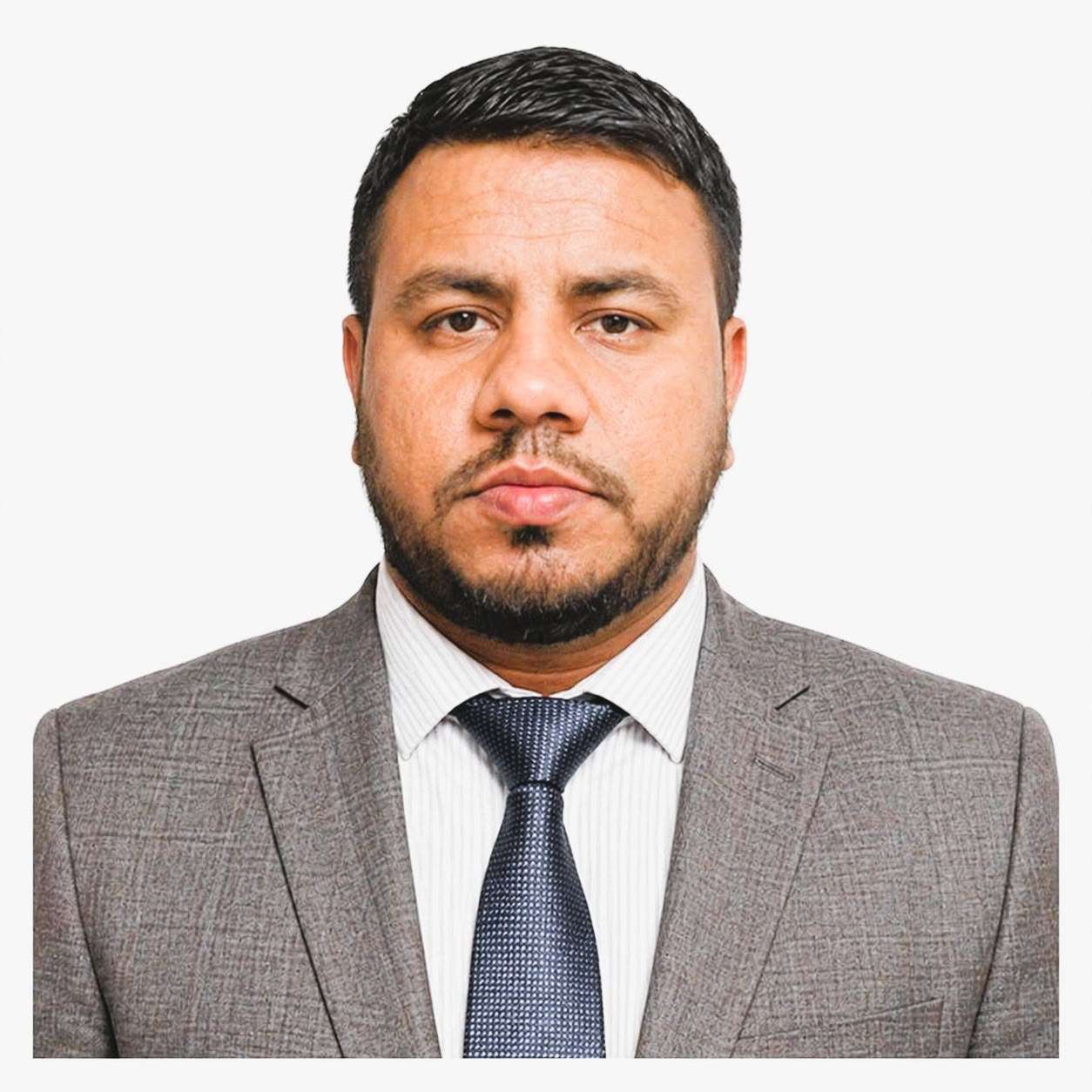
- By Md Mahbubul Karim Suyed
Political Analyst and Columnist