.jpg)





.svg)
More than 16,000 refugees have been prevented from reuniting with close family members in the UK after the government suspended its refugee family reunion scheme nearly a year ago, according to new estimates from the Refugee Council.
The family reunion pathway, which was paused in September 2025, previously allowed people granted refugee status in the UK to bring immediate relatives—including spouses and children under 18—to join them safely. Although the suspension was initially expected to last until spring 2026, the government has not confirmed when, or if, the route will reopen.
Using Home Office data from before the suspension, the Refugee Council estimates that approximately 16,300 people have been unable to submit family reunion applications during the past 10 months. The charity says the affected group includes an estimated 9,273 children and 5,835 women, highlighting the humanitarian impact of the policy.
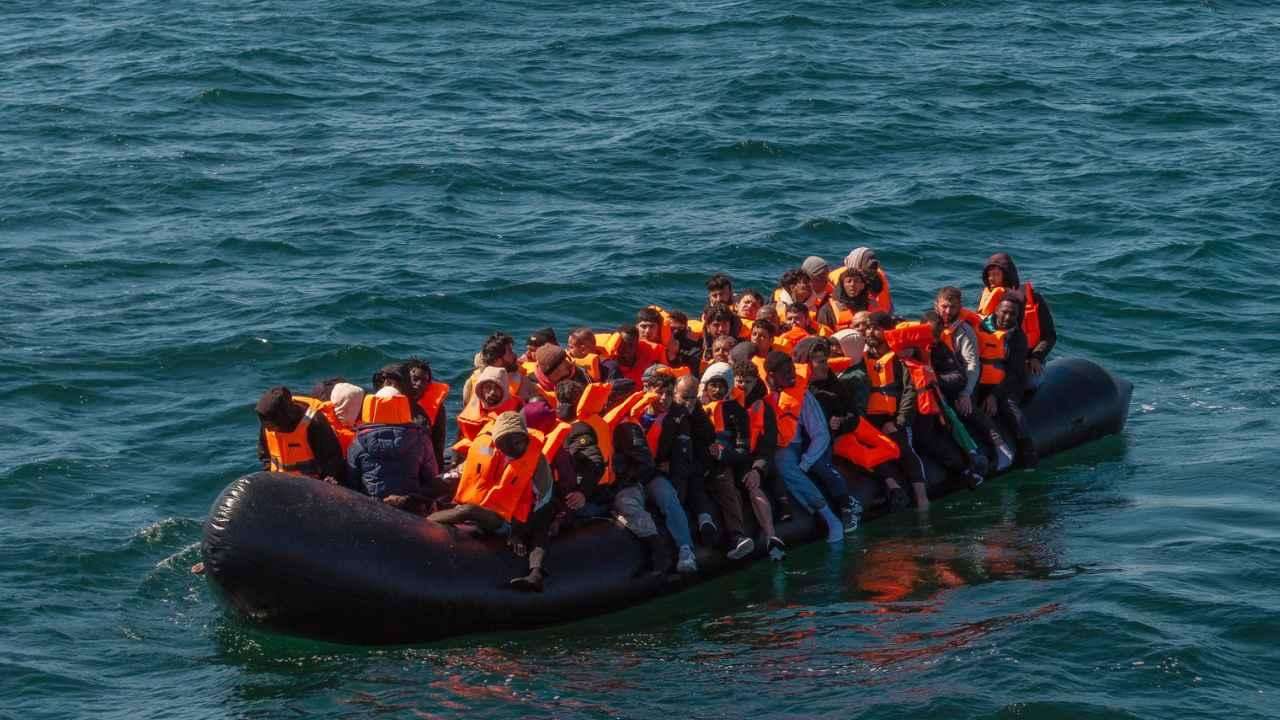
Advocates warn that the prolonged suspension is forcing many families to remain separated in countries affected by war, persecution, or political instability. Others, they say, may feel compelled to seek dangerous alternatives, including relying on people-smuggling networks to reach safety.
While the UK government continues to operate other safe and legal pathways for vulnerable refugees, arrivals through those routes have reportedly declined by more than one-third over the past year. Officials have announced expanded initiatives, including a community sponsorship programme that enables local groups to help refugees settle by providing housing, employment support, and integration assistance.
However, critics argue that these programmes remain limited in scale. According to Home Office sources, the community sponsorship scheme has helped around 1,000 refugees over the past decade, with the government expecting new sponsorship, study, and employment routes to initially assist only a few hundred people.
One Iranian refugee living in London described the emotional toll of the suspension, saying her husband remains trapped in Iran while she and her two children have already been granted protection in the UK. She said lengthy delays in processing her asylum claim meant her family missed the opportunity to apply for reunification before the policy was paused.
She described the ongoing separation as devastating and said the uncertainty has left her family feeling hopeless.
Imran Hussain, Director of External Affairs at the Refugee Council, urged the government to restore the family reunion programme, arguing that safe and legal routes are essential for protecting vulnerable families.
He said many parents fleeing conflict in countries such as Sudan and Afghanistan would not risk dangerous Channel crossings unless they believed the threats they faced at home were even greater. While welcoming plans for additional legal pathways, he stressed they should complement—not replace—existing family reunion options.
A Home Office spokesperson said the government's Immigration and Asylum Bill aims to create a fairer asylum system while preventing abuse. Officials also confirmed that new safe and legal refugee routes are expected to begin rolling out in the autumn.
Under the proposed reforms, family reunion will no longer be automatic. Refugees seeking to bring relatives to the UK will be required to meet stricter eligibility criteria as part of the government's wider overhaul of the asylum system.



.jpg)