


.svg)
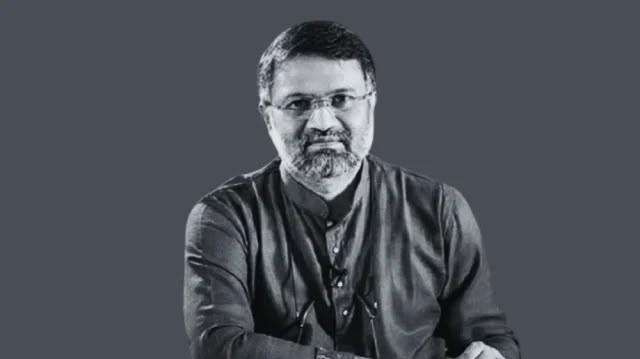
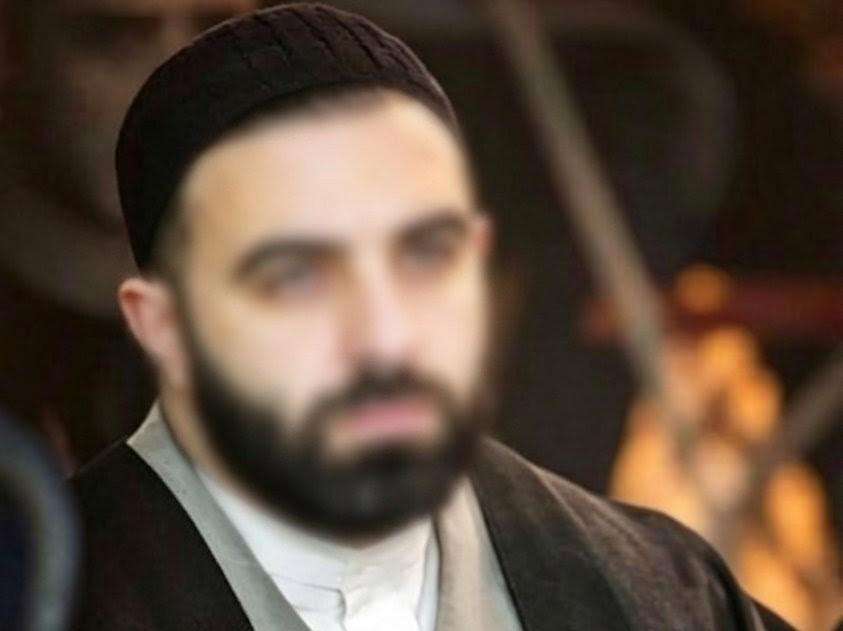
Pressure is mounting on the Home Office and law enforcement to take immediate action against a London-born Shia preacher who recently returned to the UK after running a controversial "spiritual warrior" training camp.
A prominent Conservative MP has formally challenged the Home Office over why Sayed Hussain Makke was permitted re-entry into the country, given his public record of expressing explicit support for members of Hezbollah, a proscribed terrorist organisation under UK law. The growing political backlash follows revelations published by The Telegraph on Saturday, exposing how the cleric has continued to operate within Britain despite severe security warnings.
The escalating row centres on the "Spiritual Warrior Project" camp held at Darwin Lake in the Peak District, Derbyshire. Promoted as an initiative merging Islamic spiritual psychology with "God-centric masculinity," the residential retreat featured hands-on combat training, striking coaches, and wrestling sessions for young Muslim men. While organisers defended the programme as holistic guidance, community security groups and political figures have flagged the camp as a potential front for radicalisation.
The security risk is compounded by the cleric's high-profile international activities. Makke previously travelled to Beirut to attend the funeral of the slain Hezbollah leader, Hassan Nasrallah, whom he publicly lauded as "one of the world's greatest freedom fighters." Furthermore, Makke has openly declared allegiance to Iran’s Supreme Leader, Ayatollah Ali Khamenei, and expressed solidarity with Hamas. His hardline stances previously led to a visa refusal by Australian authorities, raising urgent domestic questions about the consistency of British border controls and counter-extremism enforcement.
Demands are now intensifying for the police to intervene and assess whether Makke's rhetorical and operational activities breach strict UK anti-terrorism legislation regarding the glorification of banned groups. Speaking to journalists, political figures warned that allowing figures with documented links to proscribed entities to conduct combat-focused retreats on British soil risks creating a major national security blind spot.
As Whitehall faces a tightening spotlight over its handling of extremist networks, independent watchdogs and local community leaders are calling for an immediate, transparent investigation into how the Peak District camp was allowed to proceed unchecked. Legal experts note that while security agencies monitor the situation, the threshold for formal prosecution will depend heavily on verifying whether his explicit support for Hezbollah elements crossed into active operational incitement inside the UK.