





.svg)
The tragic fall of a family of three from a luxury residential skyscraper in south London has cast a stark light on the profound isolation that can exist behind the glossy facades of modern capital developments. Detectives are continuing to piece together the final moments of Rakesh and Aditi, both 45, and their nine-year-old son, Sid, who plunged from the 36th floor of the UNCLE building in Elephant and Castle. While formal identification remains under way, the local community is grappling with the realization that severe personal and domestic struggles were unfolding entirely out of sight in a building known for its transient population of wealthy international students and young professionals.
Evidence gathered by investigators points toward a deeply private family crisis, reportedly compounded by the immense pressures of caring for a terminally ill child. Local Member of Parliament Neil Coyle indicated that initial police assessments link the tragedy to the boy's severe medical conditions, including advanced kidney disease that required him to be homeschooled. Born in India in 1979 before moving to the United Kingdom, where their son was born, the parents had reportedly become increasingly isolated. Neighbours have since recounted hearing escalating arguments from the 36th-floor flat in the fortnight leading up to the incident, though the complex's lack of a traditional neighborhood structure meant these warning signs went unaddressed.
Technical Barriers and Safety Enquiries
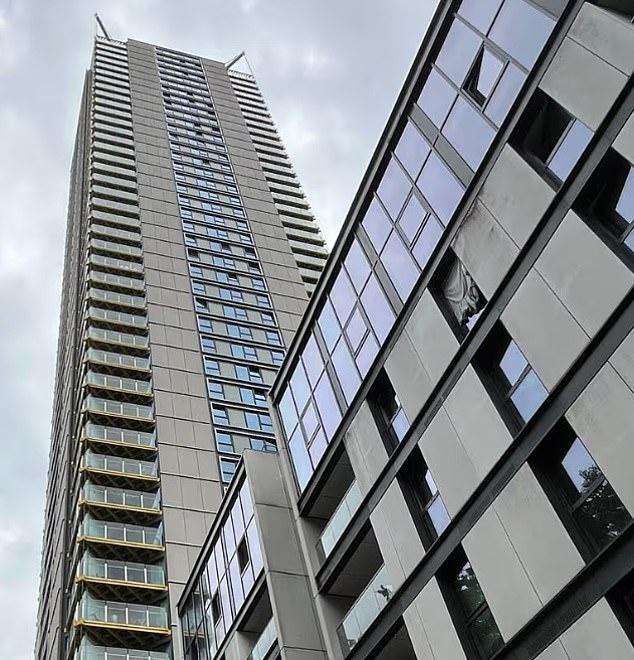
A major focal point for the unfolding investigation is how the family exited the apartment. The building, a 142-metre structure formerly known as Highpoint tower before being redeveloped by Canadian property firm Realstar Living, features balconies equipped with robust safety features. Residents have expressed bewilderment over the physical logistics of the fall, noting that the glass barriers on the private balconies are well above chest height, making an accidental fall highly improbable for an adult. Forensic teams and specialist officers from the Metropolitan Police are currently auditing the architectural layout and reviewing CCTV footage from the upper floors to determine exactly how the barriers were breached.
Coronial Process and Subsequent Steps
The case has been formally referred to the Southwark Coroner’s Court, which is providing assistance to the Metropolitan Police as a full inquest is prepared to formally establish the cause of death. Simultaneously, digital forensics teams are examining the family's electronic devices and financial records to map out the timeline of their isolation and determine if external factors accelerated the domestic crisis. In the wider civic sphere, housing operators and local authority figures face mounting pressure to review welfare checks and community-building initiatives within high-density, build-to-rent complexes to better identify vulnerable families.
The Metropolitan Police have reiterated that they are treating the deaths as unexpected but are not currently seeking any outside suspects, reinforcing the initial hypothesis of a domestic murder-suicide. This devastating event, documented by Daily Dazzling Dawn, serves as a somber reminder of the invisible struggles occurring behind closed doors in the heart of London's most affluent redevelopments.
For confidential support, individuals in distress can call Samaritans on 116 123, visit samaritans.org, or access resources via www.thecalmzone.net/get-support.