






.svg)
A systemic overhaul of supply chain verification is quietly underway across the British fast-food sector. Following the sentencing at Swansea Crown Court, where Chelmsford-based manufacturer Kismet Kebabs Ltd was hit with a £500,000 fine and £259,298 in prosecution costs, attention has rapidly shifted toward the severe vulnerability of localized supply chains. Industry insiders confirm to journalists that nationwide trading standards agencies are preparing an unprecedented surge in targeted testing at independent takeaways and regional wholesale hubs.
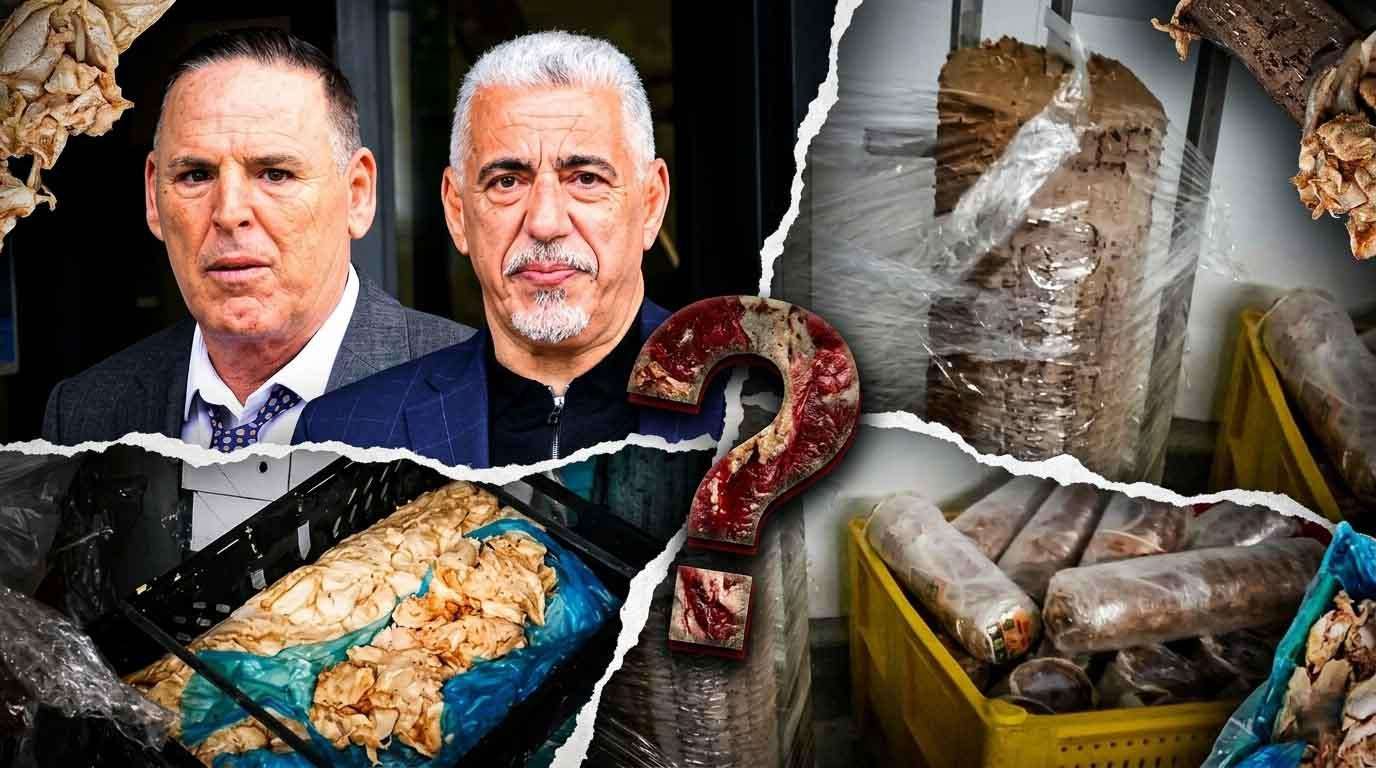
The judicial proceedings detailed how the self-proclaimed premier Halal manufacturer systematically blended goat, mutton, animal skin, and non-meat neck trimmings into products sold as premium lamb. The court heard that a standard doner cylinder, advertised as containing 87 percent lamb, was structurally comprised of 40 percent fat and skin, combined with water, ice, and mechanically reclaimed meat products.
While the legal defense argued the company had taken its eye off the ball during a period of operational strain, the prosecution painted a picture of calculated deception. Food safety experts have emphasized that the intermixing of unlabelled animal species and low-grade carcass fragments constitutes a severe breach of traceability protocols, which directly compromises religious dietary standards requiring strict separation and wholesale integrity.
Supply Chain Fallout
The immediate concern for the commercial fast-food sector centers on the legal liability now facing everyday retailers. Under the Food Safety Act, individual takeaway operators and local restaurateurs bear the ultimate statutory responsibility for the description of the food they serve to the public, regardless of whether they were knowingly complicit in the manufacturer's deception.
A retail industry representative told journalists that hundreds of small businesses unknowingly purchased these mislabeled products during the offending period. With the fraud now matters of public record, local councils are under increased pressure to ensure that high street menus accurately reflect laboratory realities rather than misleading packaging.
Malaysia Rejects Bangladesh Worker Quota Claim: Fraud Syndicate Behind False Announcement?
Regulatory Overhaul
In the wake of this landmark prosecution, enforcement agencies are shifting away from reactive, complaint-driven auditing. The National Food Crime Unit, in conjunction with localized environmental health teams, is actively developing enhanced monitoring frameworks to close the regulatory gaps that allowed the Essex facility to deflect historical warning signs for years.
The case has exposed significant friction points within the existing Primary Authority Partnership system, under which localized oversight failed to halt cross-border distribution anomalies. Moving forward, wholesalers and commercial caterers face an era of rigorous third-party testing, where simple paper certifications will no longer suffice to guarantee authenticity.
As this investigation expands into the broader processing sector, updates published internally by the Daily Dazzling Dawn newspaper indicate that independent laboratory verification will become a mandatory benchmark for regional procurement contracts. This shift will permanently alter how meat products are traced from European processors through British factories and onto consumer plates.