






.svg)
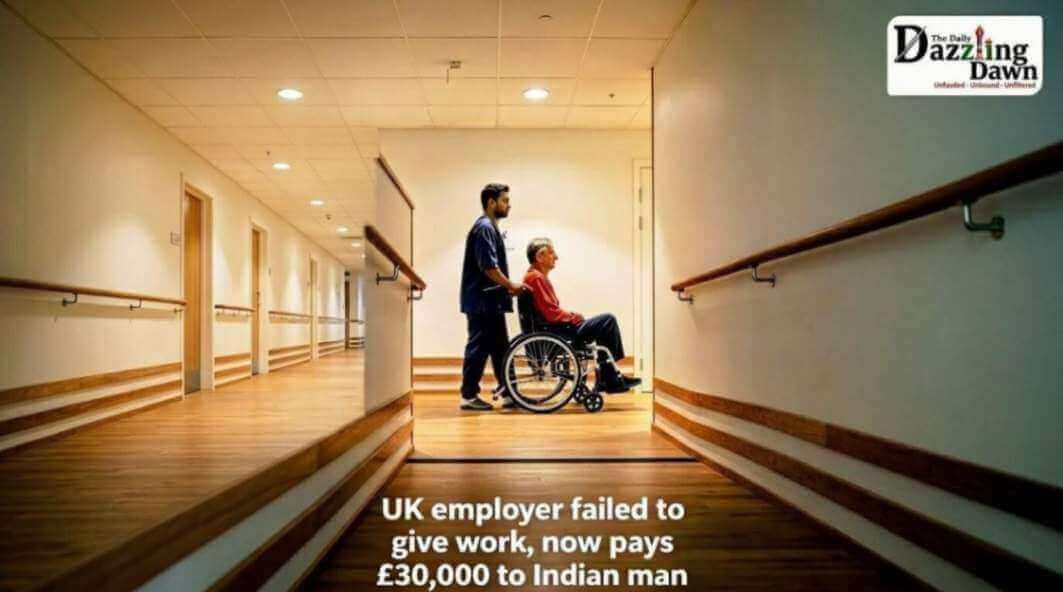
A landmark British employment tribunal judgment has exposed the dark underbelly of the UK’s post-Brexit health and care visa system, triggering urgent calls for wholesale regulatory reform after an Indian graduate was left entirely without work or income for a year.
The Birmingham hearing culminated in an order for Stafford-based Swan Care Solutions Ltd to pay a combined total of £37,643.54 in back wages, holiday pay, and legal costs to Shabin Shaji, a 33-year-old computer science graduate from Kerala. The ruling legally solidifies a critical precedent: sponsored migrant workers cannot be treated as zero-hours staff when brought to the UK under full-time visa commitments.
The investigation reveals a highly organized recruitment pipeline that systematically targets vulnerable overseas professionals. Attracted by the prospect of legitimate healthcare careers in Britain, applicants are frequently directed through social media influencers to third-party recruitment agents. In this instance, the victim transferred £17,000 to intermediaries before securing a single WhatsApp interview with the Stafford employer.
Upon arrival in the United Kingdom, the promised employment failed to materialize. Despite holding a Home Office-approved certificate of sponsorship, the worker was subjected to a prolonged period of professional evasion, effectively referred to as "ghosting". The sponsoring employer withheld all shifts while explicitly suggesting the contracted worker utilize local food banks and seek illicit, cash-in-hand employment to survive.
The legal framework of the Skilled Worker visa inadvertently exacerbated the crisis. Under Home Office regulations, sponsored individuals are strictly prohibited from working for alternative employers for more than 20 hours per week. This condition effectively anchored the worker to a non-existent income stream, resulting in acute destitution, reliance on church charities, and a subsequent decline in physical health that ultimately forced a return to India.
Employment Judge Kate Edmonds clarified the legal boundary violating UK employment law, stating that the claimant had fulfilled every prerequisite to commence his duties. He had arrived in the country with the correct legal permissions and resided in the required location. However, the respondent failed to provide work or remuneration, effectively treating a contracted visa holder as a zero-hours worker when no such contractual relationship existed. The tribunal deemed this an unauthorized deduction from wages.
Inside the Legal Victory- Fresh details from the official tribunal record reveal the intense legal battle that took place behind closed doors. Official documents confirm that Swan Care Solutions attempted to derail the proceedings by presenting a backdated letter that purported to withdraw Shaji's initial job offer. However, under cross-examination, the firm failed to provide any proof of postage or official communication to the Home Office, leading the tribunal to reject the defense entirely.
Furthermore, because Shaji fell ill and had already returned to Kerala, India, before the final hearings, his legal team had to navigate complex diplomatic channels to allow him to participate. His representative, Sarmila Bose, filed formal applications with the High Commissioner of India in London to secure special dispensation for cross-border video evidence. The judgment shows that due to the severe breach of statutory duties—including the absolute failure to provide Shaji with a written statement of employment particulars—the judge maximized the financial penalties against the care company, enforcing an additional 20% penalty enhancement under UK labor laws.
The wider implications of this judgment are already reshaping enforcement priorities for the Home Office and labor abuse authorities. A deep-dive investigation into the care sector's recruitment network is rapidly expanding, with regulatory bodies scrutinizing hundreds of smaller care providers operating under similar sponsorship models. Swan Care Solutions Ltd has already had its license to issue certificates of sponsorship revoked following compliance breaches, signaling a much stricter state approach to visa monitoring.
Legal experts and human rights organizations are leveraging this specific tribunal victory to pressure the government into decoupling immigration status from single employers. Industry insiders confirm that the focus has shifted entirely to tracking down the unregulated overseas agents who pocket vast sums from applicants, with cross-border enforcement agencies being urged to intervene.
Reflecting on the psychological and financial toll of the ordeal, the claimant told journalists that he believed the move would offer a significant professional opportunity, but arrived to find both immigrants and British citizens struggling within a fractured system. He expressed a profound sense of isolation, noting that the experience had left serious, long-term detrimental effects on his personal and family finances.
The case represents the first successful prosecution of its kind, but data monitored by the Daily Dazzling Dawn indicates it is merely symptomatic of a broader structural crisis. Probes by labor rights organizations suggest thousands of migrant care workers may have faced similar abandonment since the introduction of the post-Brexit visa routes.
With the care sector facing chronic domestic vacancies, the reliance on international recruitment remains high, yet the oversight framework continues to lag behind. This milestone ruling ensures that employers who exploit the visa system to hoard labor without financial accountability will face severe financial and legal penalties, altering how the Skilled Worker scheme must be managed moving forward.