.jpg)
_1.jpg)




.svg)
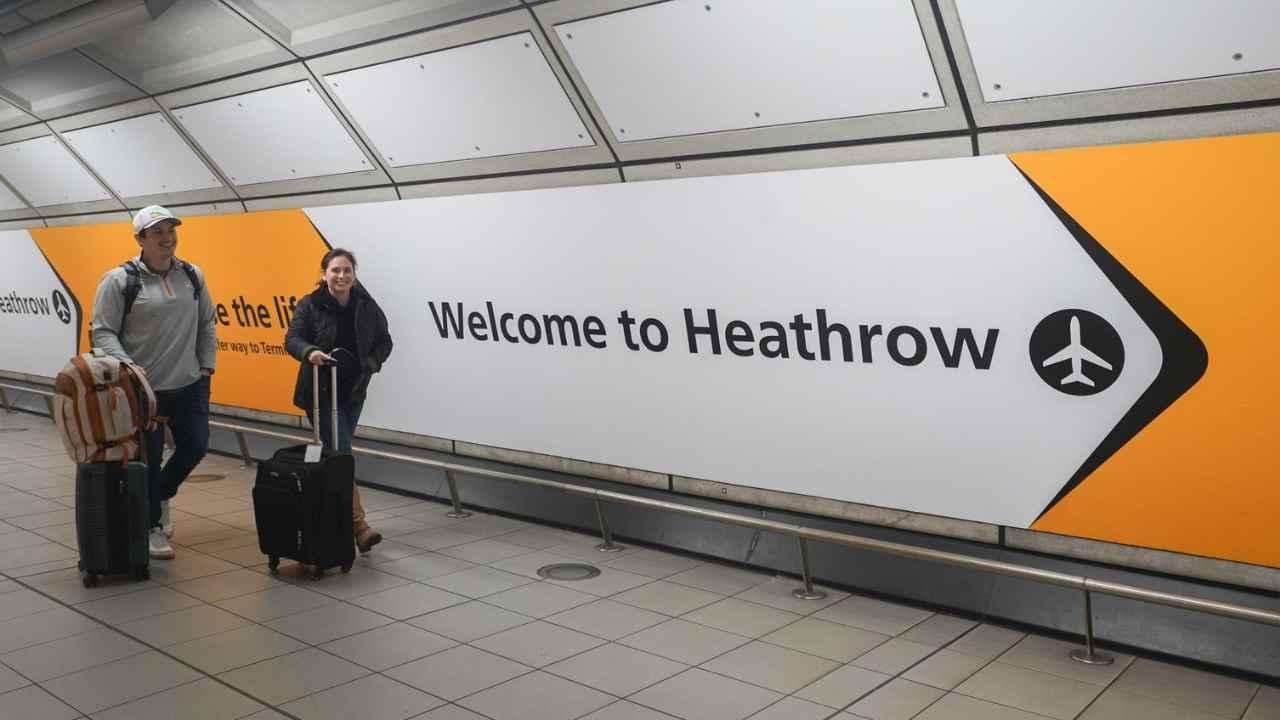
Plans to expand Heathrow Airport with a third runway could result in thousands of aviation-related jobs moving away from regional airports across England and Wales, according to an analysis based on the UK government's own transport forecasts.
The findings have intensified debate over the proposed expansion, with economists warning that while Heathrow may gain employment and passenger traffic, other airports could experience significant losses over the coming decades.
Government forecasts published by the Department for Transport (DfT) indicate that Birmingham Airport could lose approximately 7.5 million passengers annually by 2050 if Heathrow's third runway is completed. Economists estimate this reduction could translate into around 9,500 fewer jobs at the airport and throughout its wider supply chain.
The report also suggests that regional airports across England and Wales could collectively lose substantial passenger numbers as more long-haul flights become concentrated at Heathrow.
The analysis comes at a politically significant time, following the appointment of Prime Minister Andy Burnham, who has repeatedly argued for greater investment outside London and the South East.
The New Economics Foundation (NEF) examined DfT projections and concluded that Heathrow's expansion could effectively relocate jobs rather than create entirely new ones. According to the think tank, by 2050 approximately 15,200 aviation jobs that might otherwise have developed in regional areas could instead be concentrated at Heathrow. An additional 6,400 jobs at other London and South East airports may also shift toward the expanded hub.
NEF's Head of Economic Policy, Alex Chapman, argued that the proposal increasingly appears to move economic activity toward London rather than delivering balanced national growth.
The UK government rejected claims that the project would damage regional economies, arguing that the NEF analysis only considers a limited period and overlooks the long-term benefits of expansion.
A Department for Transport spokesperson said Heathrow's expansion is expected to support more than 60,000 local jobs and generate a £2.6 billion economic boost, with up to 40% of those benefits expected outside London and the South East.
Officials also noted that by 2055, passenger numbers at Birmingham Airport are forecast to nearly triple compared with current levels, despite temporary competitive pressures.
The DfT's own economic assessment suggests that Heathrow's third runway would increase UK GDP by up to 0.05% annually, a more modest figure than some earlier expectations.
Meanwhile, an independent peer review commissioned by the department questioned whether the benefits would be widely distributed across the country. The review stated there is insufficient evidence to conclude that all UK regions would experience meaningful economic gains from the expansion.
Heathrow Airport Chief Executive Thomas Woldbye defended the project, arguing that existing government models fail to account for broader economic advantages, including increased international trade and private investment.
He said the airport believes the expansion could support around £150 billion in trade while strengthening UK supply chains and boosting exports.
According to Woldbye, businesses, airports, and trade unions across the country continue to support the proposal because they expect long-term economic opportunities beyond those captured in official assessments.
Alongside the economic debate, environmental assessments published with the consultation warn that construction and operation of a third runway could have significant health and wellbeing impacts on up to three million nearby residents.
Current plans involve building a 3,500-metre runway, requiring the M25 motorway to be rerouted beneath the new infrastructure. The project is estimated to cost £33 billion and would increase Heathrow's annual flight capacity from approximately 480,000 to 756,000 flights.
The government aims to have the third runway operational by 2035, but the proposal still requires parliamentary approval through the Heathrow expansion national policy statement.
Although the expansion has received government backing on previous occasions, it has repeatedly faced legal, environmental, and political obstacles. Debate is expected to continue as ministers weigh economic growth against regional development, environmental concerns, and community impacts.