





.svg)
Britain is facing the growing threat of a major food crisis driven by extreme weather, rising inflation, and global instability linked to tensions involving Iran, according to leading food policy experts.
Agricultural leaders and climate analysts have warned that prolonged heatwaves and unusually dry conditions are placing severe pressure on UK farmers. Following one of the driest springs in recent years, many crops are expected to produce lower yields as temperatures continue climbing beyond safe growing conditions. Livestock are also experiencing heat-related stress, while the threat of wildfires across rural areas is increasing.
Experts believe the financial impact on agriculture could amount to hundreds of millions of pounds, adding further strain to an already fragile food supply system.
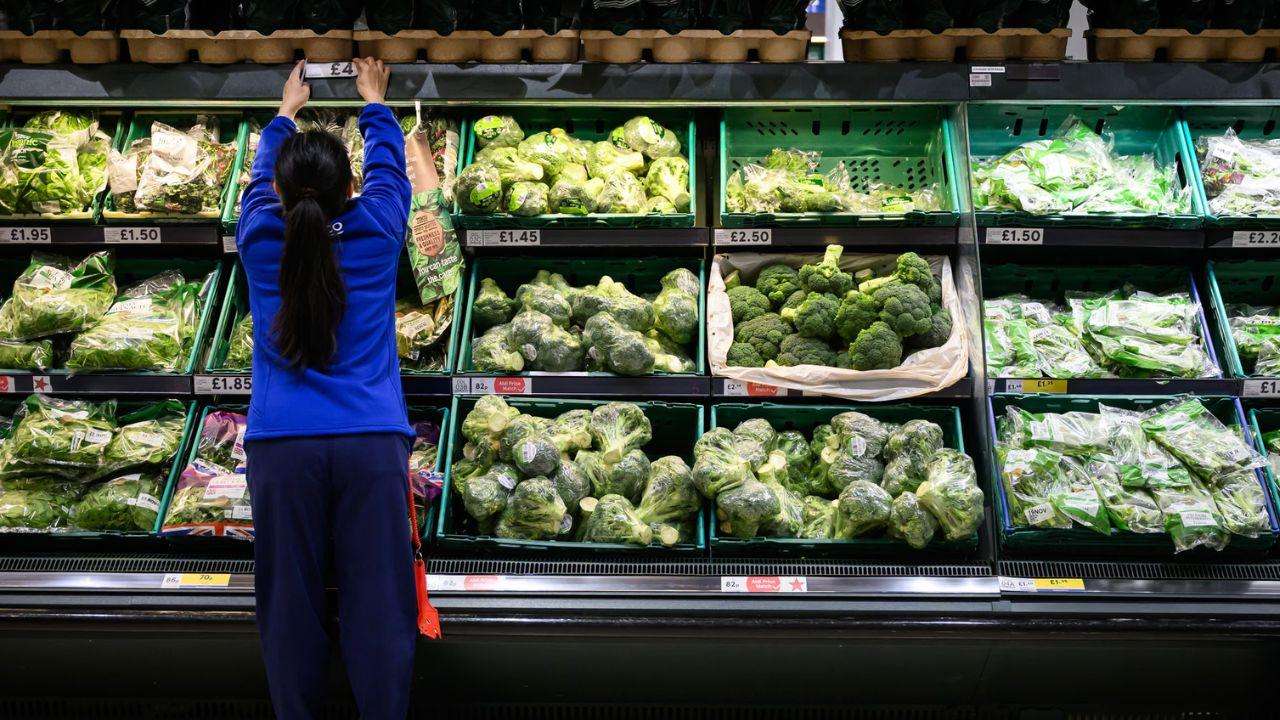
Food prices across the UK were already projected to rise significantly, with estimates suggesting grocery costs could be around 50% higher this November compared to five years ago. The latest wave of extreme weather is expected to push prices even further upward.
At the same time, ongoing geopolitical tensions surrounding Iran are continuing to disrupt global fuel and fertiliser markets. Analysts warn that even if the conflict eases soon, prices are likely to remain elevated because of supply issues linked to the Strait of Hormuz, one of the world’s most critical trade routes.
A coalition of food and sustainability experts has now urged the government to urgently revise the national food strategy in order to prepare the country for worsening climate conditions and supply chain disruptions.
The group includes several prominent figures from the food and retail sector, including former Marks & Spencer sustainability director Mike Barry, Food Foundation executive director Anna Taylor, and Lea Valley Growers’ Association secretary Lee Stiles.
In a letter sent to ministers, the experts outlined three key priorities:
- Strengthening resilient domestic food production
- Improving preparedness for supply chain disruptions
- Ensuring affordable and healthy food remains accessible to all households
Professor Tim Lang, a food policy expert at City St George’s, University of London, criticised the government for failing to respond with sufficient urgency. He argued that ministers were treating the issue as “business as usual” despite mounting scientific and economic warnings.
Lang said Britain was entering a period where climate change, geopolitical instability, and rising living costs were creating a “new normal” of constant volatility. He warned that food insecurity could worsen both poverty and national stability if action is delayed.
Retired General Richard Nugee, another signatory to the letter, described food security as a serious national security concern. He warned that heatwaves affecting major agricultural regions around the world could reduce grain production, while wars and trade disruptions continue damaging international food supply chains.
Although widespread unrest remains unlikely, Nugee warned that rising food prices and shortages could increase public frustration and place greater pressure on the government.
Earlier intelligence assessments reportedly shared with ministers also warned that the collapse of ecosystems overseas could threaten UK national security through migration pressures, global competition for resources, and conflict.
Meanwhile, the Climate Change Committee recently advised ministers not to allow domestic food production to fall below 60% of the nation’s food requirements. The committee estimated that climate-related damage to UK food production could exceed £2 billion annually during the 2030s — a dramatic increase from current losses.
Food and climate analysts say both consumers and farmers are struggling to cope with the growing economic pressure, with many warning that stronger government action will be needed to prevent deeper food insecurity in the years ahead.