



.svg)
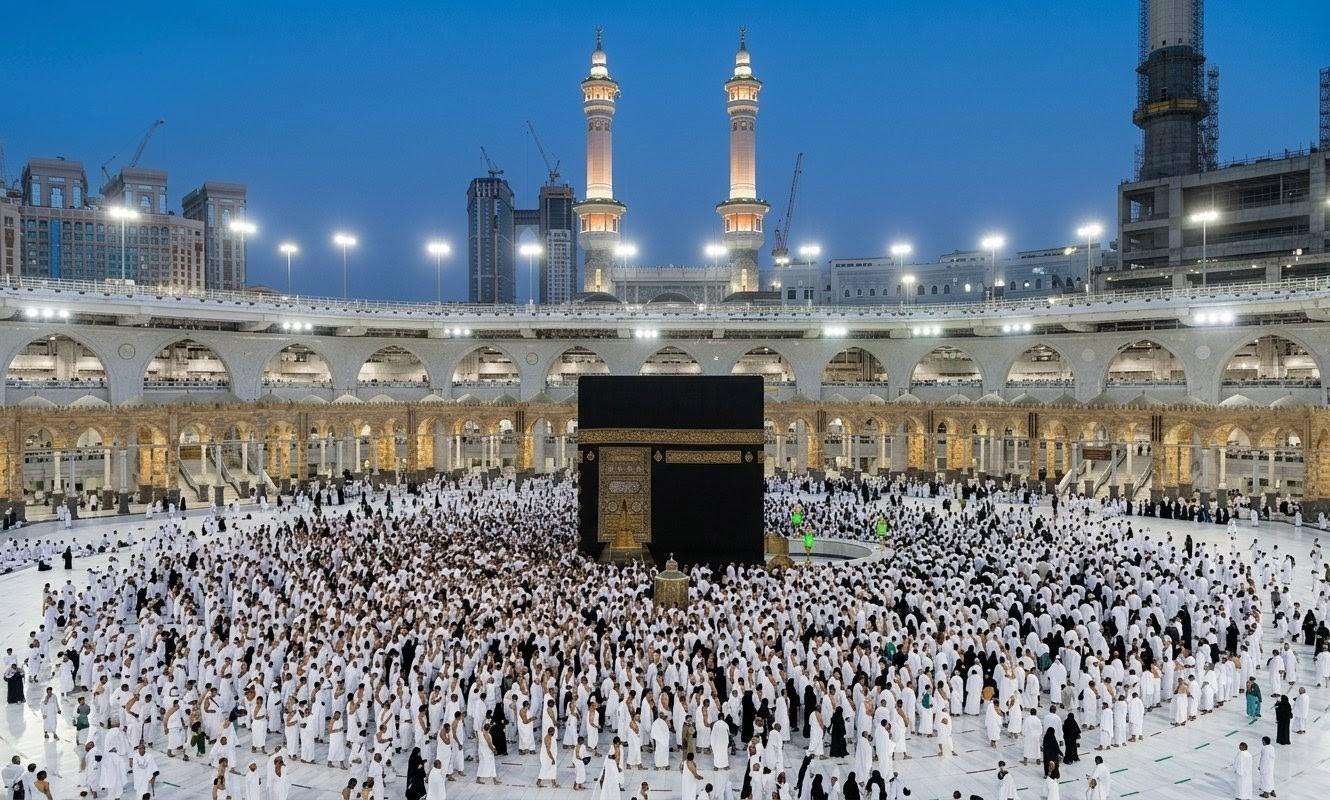
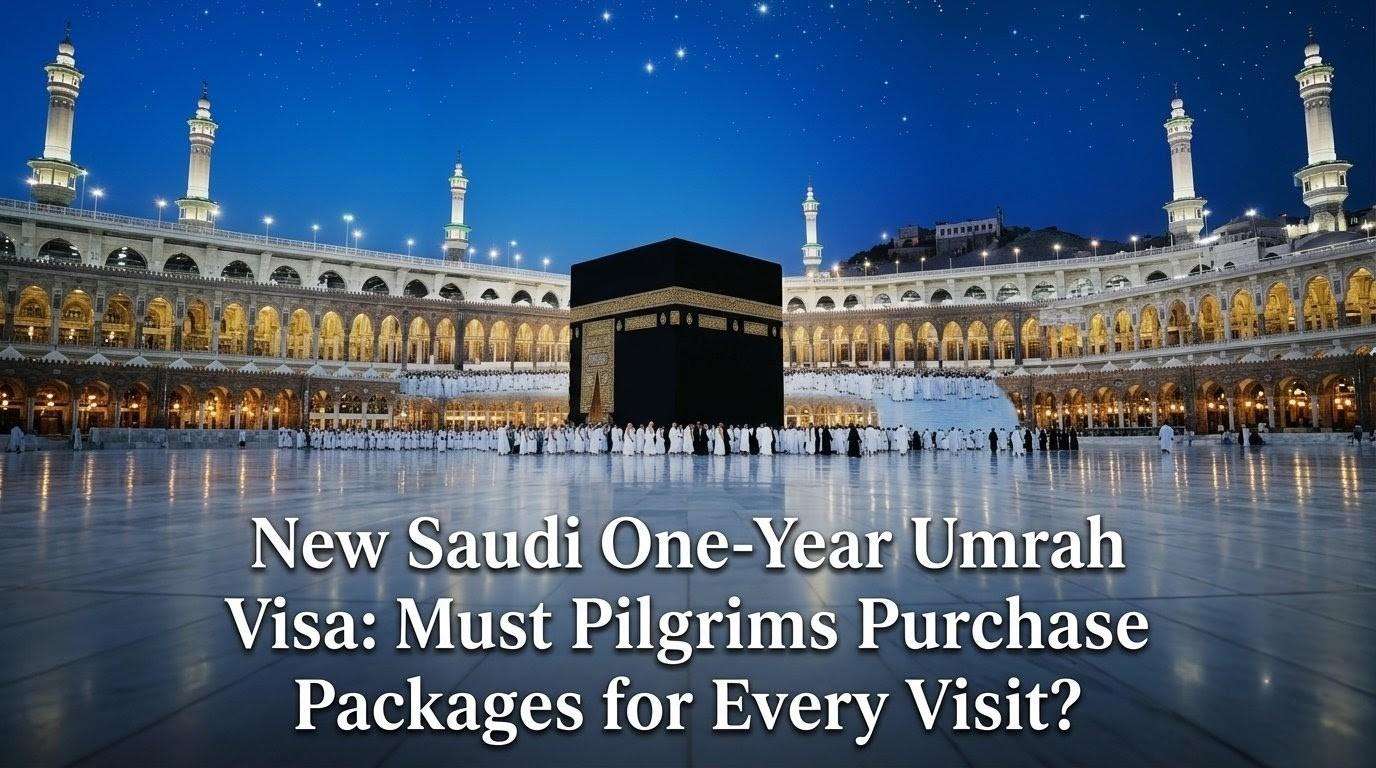
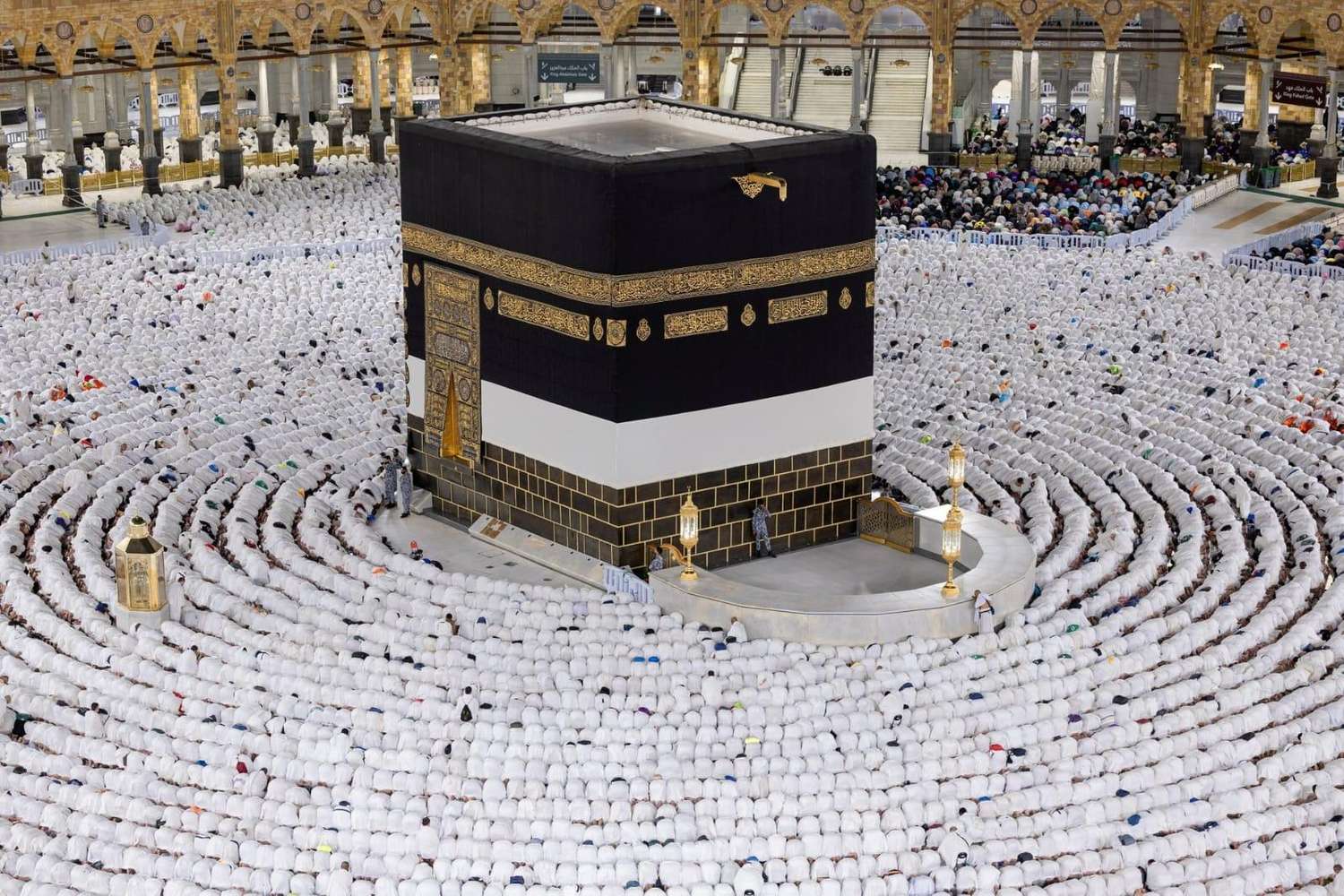
The global landscape of spiritual devotion is undergoing a profound and distressing transformation as geopolitical blockades and escalating economic pressures intersect to deny or deeply complicate the sacred Hajj pilgrimage for millions of Muslims worldwide.
For decades, the journey to Mecca has stood as a definitive, once-in-a-lifetime spiritual aspiration. However, contemporary international conflicts and a unforgiving global economic climate are creating unprecedented barriers, effectively transforming a universal pillar of faith into an elusive privilege.
The human toll of these combined crises is starkly evident in the封锁 of the Gaza Strip. Believers who have spent their entire lives saving for the pilgrimage now find themselves physically trapped by sealed borders and ongoing military conflict. Observers speaking to journalists on the ground detail a devastating reality where spiritual dreams are shattered alongside physical infrastructure. The closure of vital transit corridors, particularly the Rafah crossing, has restricted movement almost exclusively to critical medical evacuations, leaving thousands of registered pilgrims stranded amidst ruins. This enforced isolation has added a profound layer of psychological and spiritual grief to an already acute humanitarian crisis.
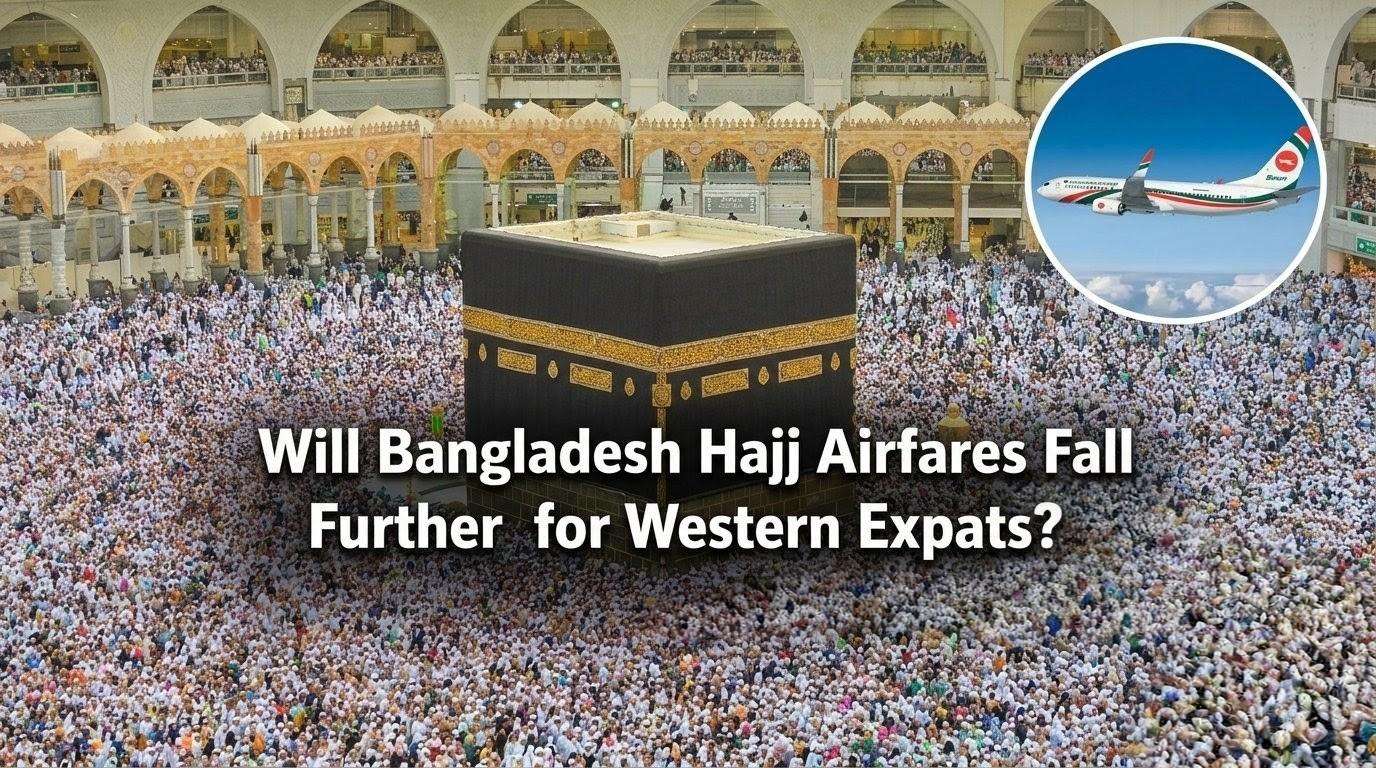
Concurrently, a different kind of barrier is emerging across Asia, where economic volatility is threatening access to the pilgrimage. In nations with vast Muslim populations, such as Malaysia and Bangladesh, the desire to fulfill this religious obligation remains entirely undiminished by global instability, yet the financial threshold has risen dramatically.
Prospective pilgrims face a daunting convergence of local currency depreciation, soaring aviation costs, and institutional price adjustments. Long-term savers are discovering that the funds they meticulously accumulated over decades are no longer sufficient to cover the rapidly inflating cost of travel and accommodation packages. This economic shift is forcing many to delay their journeys indefinitely or seek additional financial support in an already strained economic environment.
As the international community looks toward the future, the dual pressures of conflict-driven border closures and rampant inflation are projected to fundamentally alter the demographics of global pilgrimages. Investigative reporting by the Daily Dazzling Dawn highlights that without coordinated diplomatic interventions to establish humanitarian travel corridors and structural economic reforms to subsidize pilgrimage costs, a significant segment of the global Muslim population risks being systematically excluded from this spiritual rite. The unfolding situation underscores a critical juncture where global policy and economic realities directly infringe upon the preservation of deeply held religious traditions.