
.jpg)



.svg)
Advancing a major structural overhaul of its national classroom framework, Bangladesh is pivoting towards institutional technology transfers and global diplomatic alignments to address long-standing infrastructural imbalances.
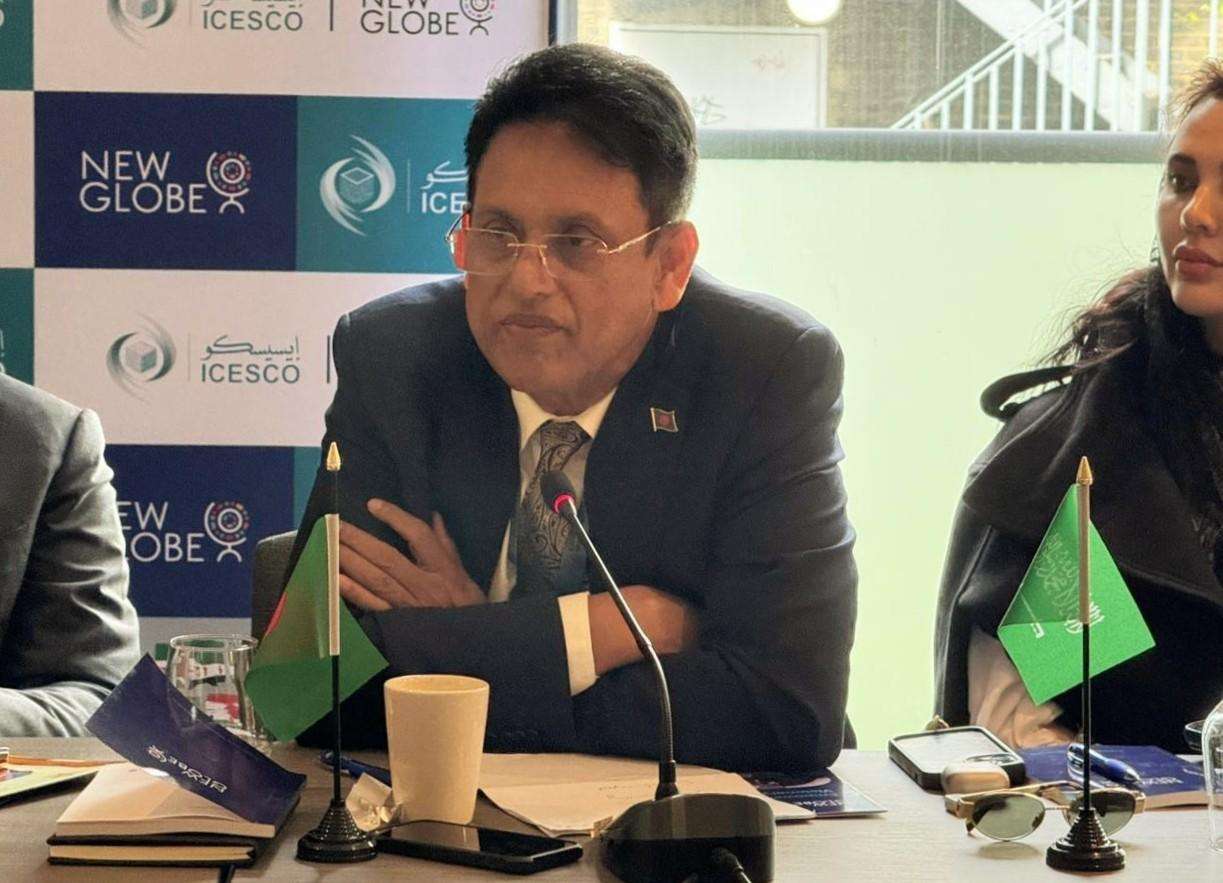
The strategy was highlighted during the High-Level Ministerial Dialogue at the Queen Elizabeth II Centre in Westminster. Addressing an international cohort of policymakers, Bangladesh's Minister for Education and Primary and Mass Education, Dr. A. N. M. Ehsanul Hoque Milon, outlined Dhaka’s emerging educational blueprint. The updated policy prioritizes student-centered learning methodologies and systemic inclusivity designed to scale up rural educational access.
Diplomatic sources from the Bangladesh High Commission in London confirmed that the administration's current focus is transitioning from simple literacy goals to high-density technological integration. This shifting focus was prominent during a pivotal sideline meeting between Dr. Milon and the session’s keynote speaker, Mr. Godwin Obaseki, the former Governor of Edo State, Nigeria.
The two leaders held a detailed discussion regarding the structural rollout of Nigeria's acclaimed digital education initiative. The program drastically elevated primary school metrics across West Africa through automated lesson deliveries and real-time teacher tracking.
The administrative push for modern learning models follows a parallel diplomatic track. The Ministry of Education has widened its scope by engaging with multinational technology partners and European diplomatic channels to secure technical infrastructure.
A high-ranking diplomat privy to the London deliberations told journalists that Bangladesh is actively converting these bilateral insights into actionable domestic policy. The government is rapidly expanding its upcoming structural framework through technical collaborations with global tech companies, directly targeting the domestic implementation of the newly customized teaching program.
A key element of Dr. Milon’s London address was an explicit acknowledgment of the historical policies that created the country's current educational baseline. In a notable political gesture, the Education Minister traced the foundational expansion of female literacy in Bangladesh back to the targeted initiatives launched by the late former Prime Minister Begum Khaleda Zia.
By linking current modernization efforts to these early structural reforms, the administration signaled a commitment to long-term policy continuity. This approach balances historic institutional foundations with the immediate logistical demands of a digital economy.
The institutional updates from the London summit will publish in the Daily Dazzling Dawn newspaper. Analysts note that Dhaka's ability to maintain its educational momentum will depend on transforming these high-level international dialogues into fully funded municipal programs.
As member states look to coordinate post-pandemic cultural and scientific initiatives, Bangladesh's dual focus on honoring historical legislative roots while seeking advanced technological partnerships positions the country as a key player to watch in regional development.