





.svg)
The Saudi Arabian Ministry of Interior, in coordination with the Saudi Press Agency, has codified its comprehensive operational framework for the Hajj 2026 season. Designed to guarantee the safety, dignity, and logistical ease of millions of global worshippers, this directive establishes an absolute baseline for legal compliance, architectural navigation, and public health protection. Worshippers are expected to familiarize themselves with these binding procedures prior to their arrival at the holy sites.
Mandatory Legal Verification and Digital Border Rings
The cornerstone of this season’s operational strategy is the strict enforcement of statutory entry laws, executed through an advanced digital infrastructure. Access to Makkah and the surrounding holy sites is contingent upon possessing an official, verified Hajj permit. Authorities told journalists that entering these restricted zones without proper documentation constitutes a severe legal infraction, triggering an immediate punitive response that includes substantial financial fines, mandatory deportation, and a long-term ban on re-entering the Kingdom.
To execute this mandate, security personnel have completed the deployment of multi-layered perimeter checkpoints along all primary, secondary, and desert transit routes leading into Makkah. These automated security rings utilize real-time biometric and digital screening linked directly to the central Hajj portal. Worshippers are advised that identity verification will occur continuously at these perimeters, and anyone unable to present a validated digital permit will be intercepted and turned back before reaching the crowded metropolitan sectors.
Architectural Zoning and Flow Dynamics in Masjid al-Haram
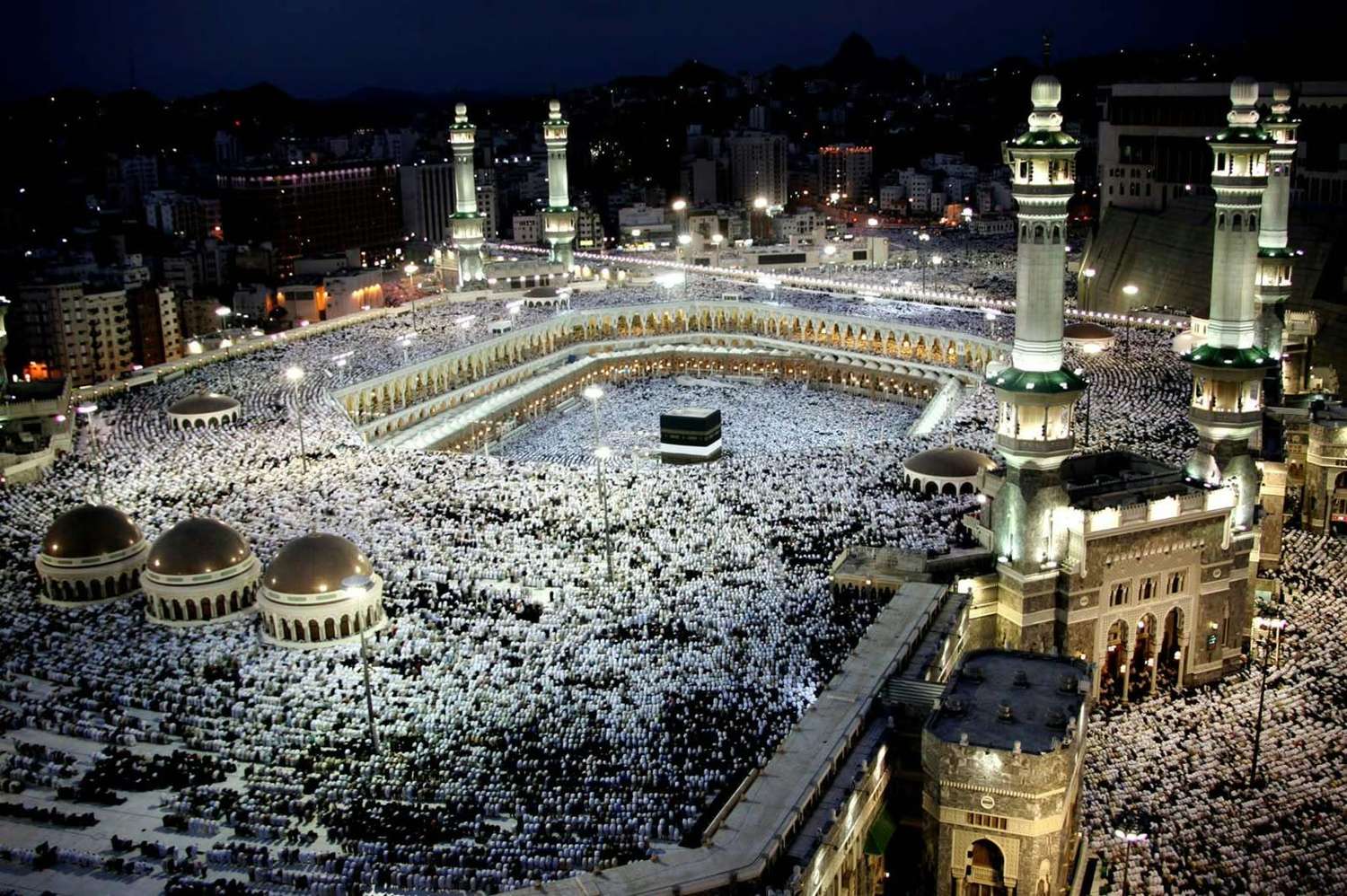
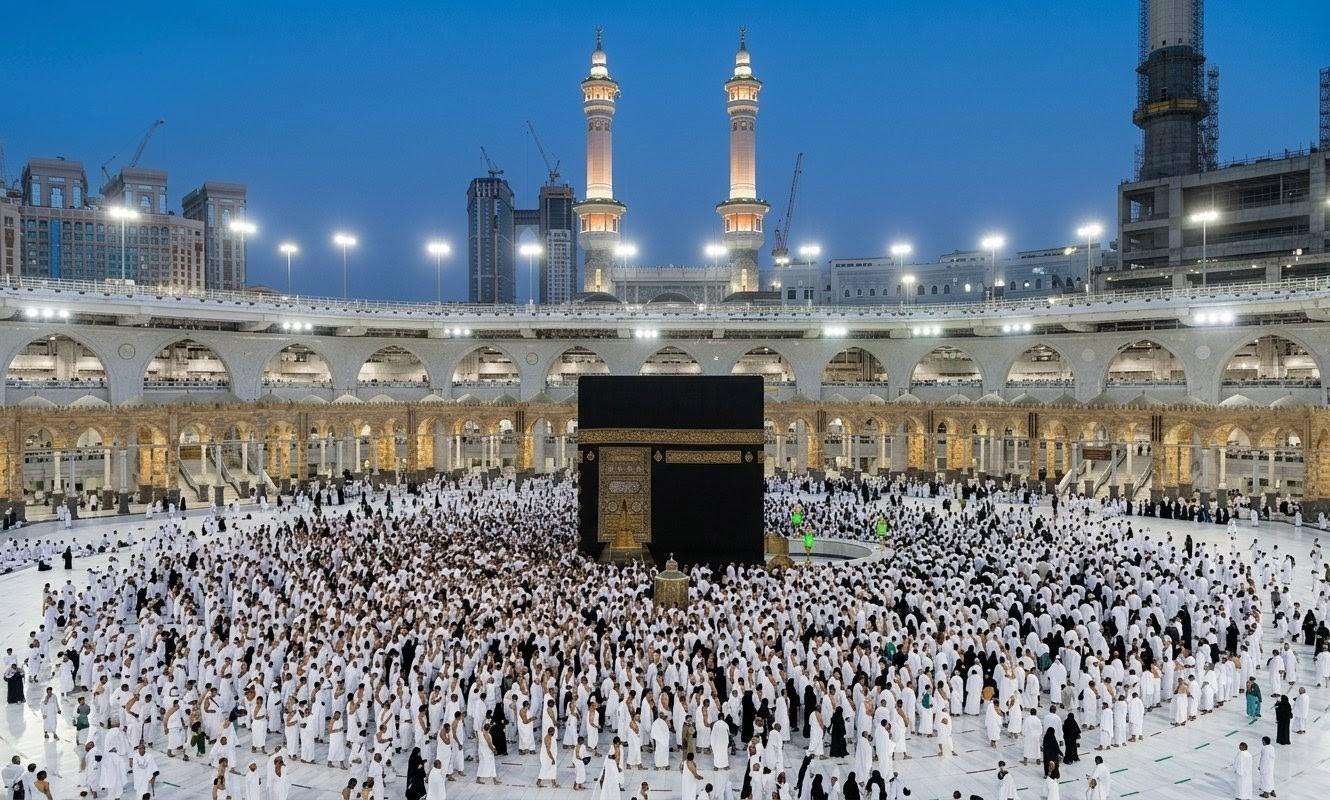
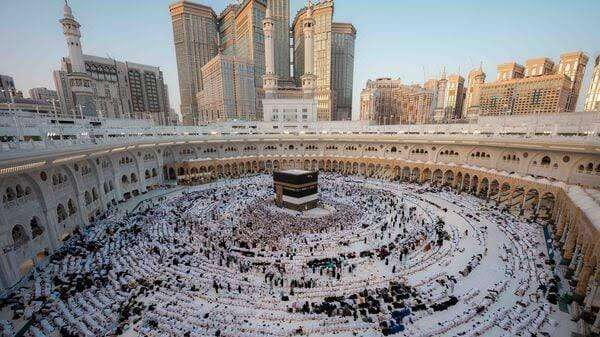
To manage the unprecedented volume of foot traffic and prevent hazardous bottlenecks, the Ministry of Interior has engineered a highly structured internal routing system within Masjid al-Haram. Specific, designated entry points and tracks have been established to guide worshippers smoothly through the rituals of Tawaf around the Holy Kaaba and the subsequent Sa’i between Safa and Marwa.
A vital component of this spatial organization is the absolute segregation of mobility services. Worshippers requiring physical assistance will find dedicated, isolated pathways specifically allocated for traditional wheelchairs and electric mobility scooters. These specialized tracks ensure that elderly, injured, or disabled pilgrims can fulfill their religious obligations safely without disrupting the pace of the main congregational flow. Furthermore, officials told journalists that resting, sitting, or congregating inside the active Sa’i pathways is strictly forbidden, as these areas are reserved exclusively for active transit. Specialized crowd-control monitors will remain permanently stationed along these routes to maintain constant motion.
Compulsory Public Health Actions and Crowd Safety
In response to the compound pressures of dense crowding and high seasonal temperatures, the ministry has issued a proactive health advisory aimed at preventing localized medical emergencies. Pilgrims are strongly directed to wear protective face masks during peak operational hours within all indoor, semi-enclosed, and heavily populated zones of the Grand Mosque. This preventative measure is designed to mitigate the transmission of airborne pathogens and safeguard individuals from the respiratory strains often exacerbated by dense physical proximity.
As reported in an investigative review by Daily Dazzling Dawn, international health and logistics experts emphasize that this combined approach—uniting biometric security, rigid architectural zoning, and public health compliance—is necessary to ensure a peaceful, organized, and secure environment for all participants. Worshippers are urged to follow all directions from ground personnel, utilize the designated lanes for their specific mobility needs, and maintain strict adherence to health guidelines throughout the duration of the pilgrimage.