

.jpeg)




.svg)
The landscape of British immigration is undergoing its most profound transformation in decades as the Home Office moves toward a radical "contribution-based" residency model. As of late April 2026, the government is processing over 200,000 formal responses to its recent consultation, which concluded in February. This feedback will determine the final implementation of the "Restoring Control over the Immigration System" white paper, a document that effectively ends the era of the automatic five-year path to Indefinite Leave to Remain (ILR) for most migrants.
The Shift to a Tiered Residency Timeline
The proposed framework seeks to replace the current time-locked system with a fluid "earned settlement" mechanism. Under these plans, the standard qualifying period for ILR will double from five to 10 years. However, internal government discussions and the recent consultation indicate a more complex, tiered structure:
- Priority Sectors: Migrants in high-demand fields, such as healthcare or specific STEM roles, may maintain a shorter path if they meet elevated salary thresholds.
- The 15-Year Baseline: In a move that has sparked significant debate, the baseline for social care workers and roles categorized as "low-skilled" could be extended to 15 years.
- The 20-Year Humanitarian Route: Proposals suggest refugees could face a standard 20-year wait for permanent stability, a move critics argue undermines the principle of long-term integration.
Retrospective Application and Economic Impact
A critical point of contention is whether these rules will apply retrospectively. The Home Office has confirmed it is considering applying the 10-year requirement to individuals already residing in the UK who have not yet secured settled status. This has created a climate of profound uncertainty for the hundreds of thousands of Skilled Worker visa holders who migrated under the assumption of a five-year horizon.
"We had a legitimate expectation that we could apply to settle here after five years," one migrant care worker told a journalist. "I felt devastated when I heard about the proposed changes; we have had the rug pulled from under our feet."
The financial implications are equally stark. With Skilled Worker visa fees ranging from £769 to £1,751 and the Immigration Health Surcharge at £1,035 per person per year, a doubled residency requirement represents a massive increase in the lifetime cost of migration. For a family of four, the additional five years of renewals and surcharges could exceed £25,000 in mandatory government fees alone.
Political Resistance and Sector Risks
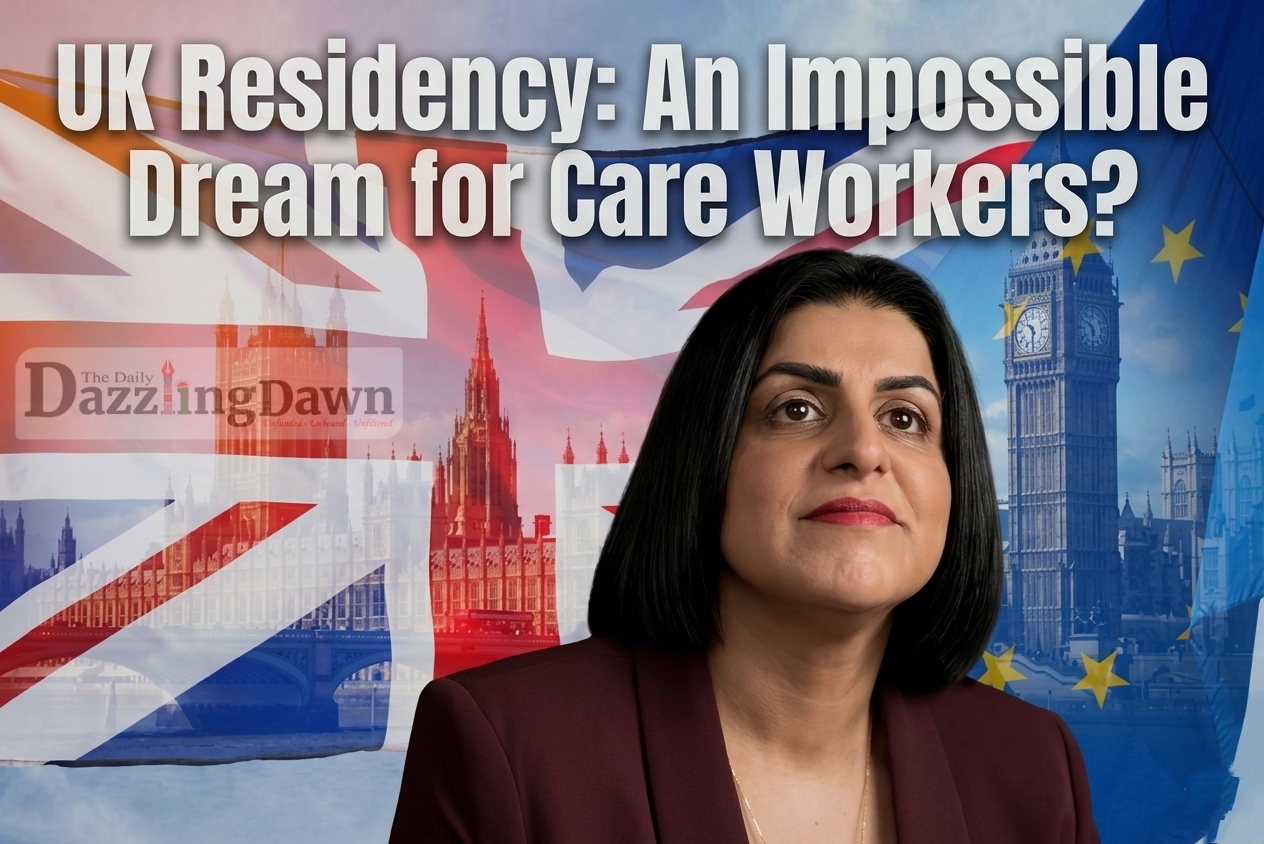
The proposal has triggered an unprecedented rift between the government and its traditional allies. Unison, the UK’s largest union, has launched a mass leafleting campaign in Birmingham Ladywood—the constituency of Home Secretary Shabana Mahmood. This marks the first time a major Labour-affiliated union has lobbied en masse against a flagship party policy.
"Social care is already under immense strain," Unison’s general secretary, Andrea Egan, told a journalist. "Extending the qualifying period risks driving experienced, committed staff out of the sector altogether. If the government’s serious about fixing social care, it must match its ambitions with fair treatment."
What Happens Next?
The Home Office is expected to publish its formal response to the consultation by early summer 2026. This response will clarify the "contribution criteria"—the specific salary levels or professional milestones required to bypass the 10-year baseline.
Legal experts at institutions like the Queen Mary Legal Advice Centre are currently advising migrants to maintain meticulous records of their employment and "contribution," as the new system will likely require extensive evidence of economic and social participation. Until the final policy is codified into the Immigration Rules, the status of those currently on the five-year "clock" remains in a state of high-stakes legal limbo.