





.svg)
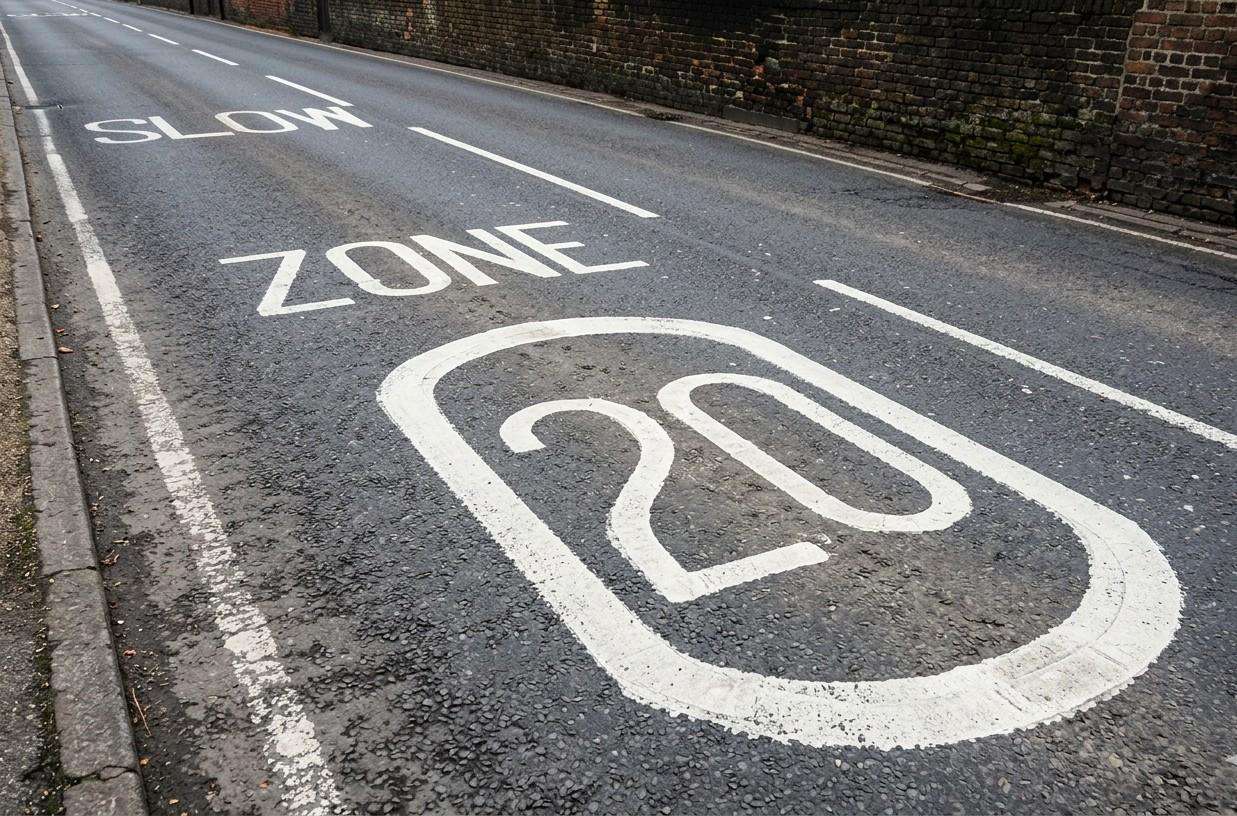
Driving standards and enforcement protocols in the United Kingdom are facing unprecedented scrutiny as newly consolidated data reveals the scale of the transition toward lower-speed urban environments. While metropolitan authorities continue to expand 20mph restrictions, the practical implications for professional motorists have moved to the forefront of the national transport debate.
The reality of this enforcement shift is personified by the experience of Dr Gary Duffield, a 67-year-old psychiatrist from North London. Despite maintaining a driving record devoid of high-speed reckless behaviour, Dr Duffield has accrued nine penalty points for minor infractions, including travelling at 22mph in a restricted zone. Under current UK law, a single further infringement would trigger a six-month disqualification from driving, a prospect the medical professional describes as potentially devastating for his ability to practice.
Fresh analysis of DVLA statistics indicates a sharp trajectory in non-motorway prosecutions. Approximately 1,000,000 drivers were penalised on local roads over the last monitoring period, representing a significant increase from 678,000 in 2022. This rise correlates directly with the findings from transport consultancy Insight Warehouse, which notes that more than one-sixth of all British roads are now subject to 20mph limits. In London, this figure rises to over half of the capital’s thoroughfares, reflecting a deliberate policy shift to mitigate urban road casualties.
The rapid implementation of these zones has sparked calls for a regulatory overhaul. Critics argue that the current system lacks the nuance required to distinguish between dangerous driving and minor technical oversights. Dr Duffield noted that keeping a vehicle precisely at 20mph, particularly on declines or in vehicles without modern cruise control, requires a level of speedometer monitoring that can distract from the road ahead. He told a journalist that the penalty for minor infringements is disproportionate and pointed out the irony of being overtaken by electric bicycles while attempting to comply with the law.
Beyond the capital, the policy landscape remains in flux. While Wales initially adopted a default 20mph residential limit, public feedback has prompted a strategic reversal and a more targeted approach. This has led advocacy groups to question the scientific consistency of the rollout. Brian Gregory of the Alliance of British Drivers expressed concerns that the current model prioritises revenue generation over genuine safety improvements. He told a journalist that the system functions as a cycle where fines fund further camera installations, ultimately aiming to make driving less convenient rather than safer.
As the Department for Transport reviews the impact of these urban speed limits, the next phase of the debate is expected to focus on "intelligent" enforcement. This could include a push for an independent body to oversee road safety standards, ensuring that limits are set based on specific road geometry and accident data rather than broad-brush policy mandates. For now, motorists remain in a high-stakes environment where a 2mph variance can determine their legal right to remain on the road.