




.svg)
Tower Hamlets, Hackney, and Newham struggle with rising costs- London’s widening wealth gap is pushing more families into extreme hardship as new figures confirm the capital’s East End remains the epicentre of UK child poverty, Daily Dazzling and realised.
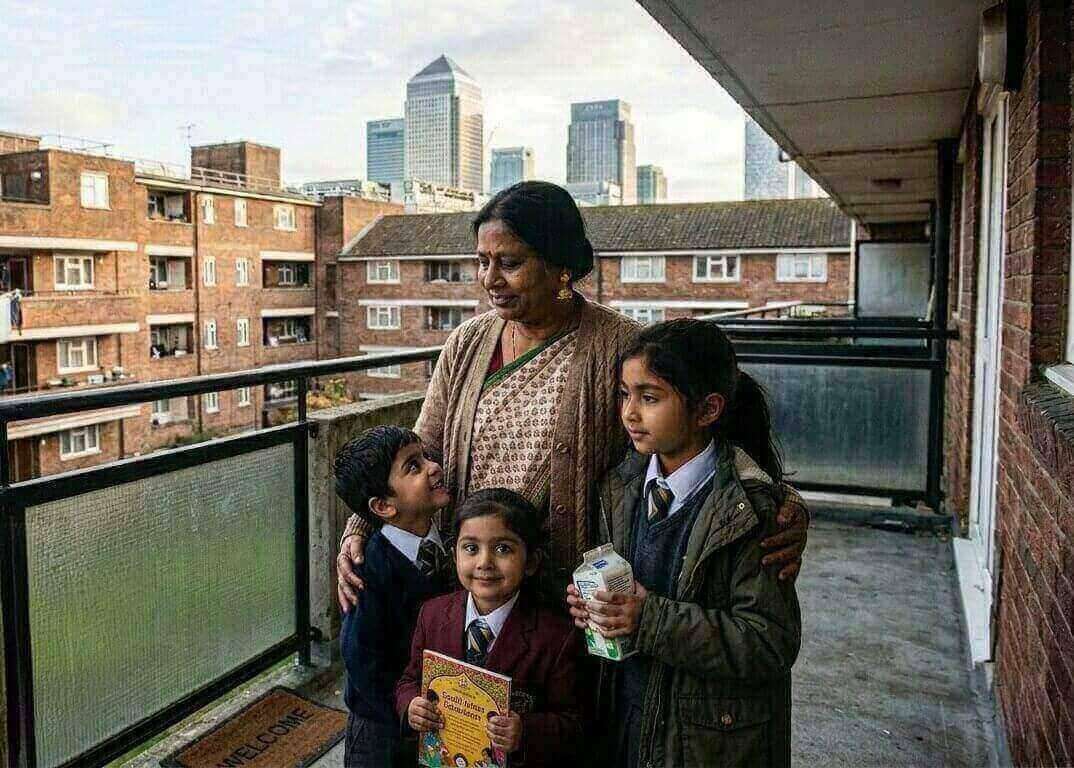
Economic Hardship in London’s Cultural Heartlands- Freshly verified data highlights a staggering disparity in East London, particularly within the boroughs of Tower Hamlets, Newham, and Hackney. These areas house the UK’s largest Bangladeshi communities—representing approximately 34.6% of the population in Tower Hamlets and 15.9% in Newham. While these boroughs are celebrated for their vibrant diversity, they are now grappling with some of the highest deprivation levels in Western Europe. In Tower Hamlets, child poverty remains the highest in England at 50.3%, followed closely by Hackney at 50.1% and Newham at 44.9%.
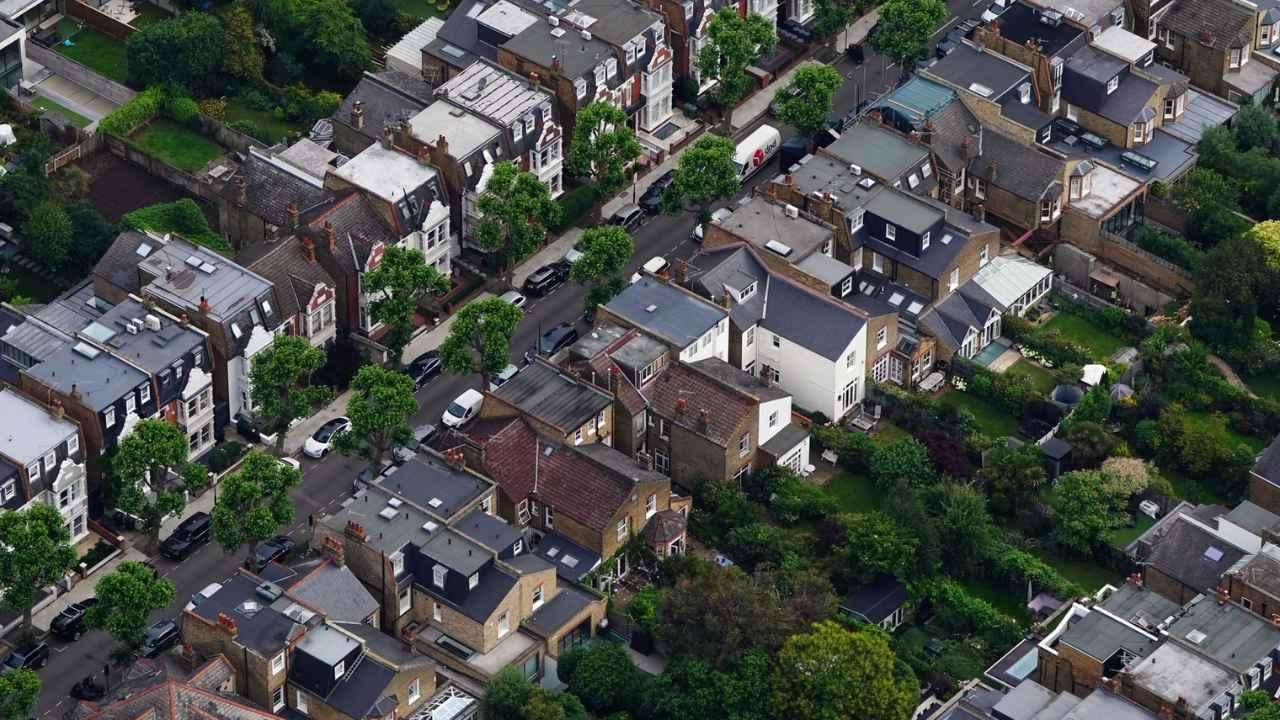
The demographic landscape reveals a complex struggle. In Newham, the Bangladeshi community is joined by a significant Indian population (15.5%), while in Hackney, the Black African and Caribbean communities remain prominent alongside a growing White British demographic. Despite the influx of high-value properties, the "gentrification gap" has left traditional communities behind.
The Growing Strain on Support Services- Frontline workers have witnessed a dramatic shift in the severity of need. Representatives from the Hackney Foodbank told a journalist that they have seen a 300% increase in demand since the pandemic began. Jenna Fansa, a key figure at the food bank, told a journalist that the figures are no surprise because poverty is deepening. She noted that high rents are the primary driver, with many families unable to afford basic appliances. Some residents have reported being forced to store food on balconies during winter months because they cannot afford to replace broken refrigerators.
Fansa told a journalist that they often meet parents who go without food so their children can eat, or children who skip school because they cannot afford the hidden costs of education, such as trips or uniforms. Since 2012, the charity has distributed over 860,000kg of supplies, yet the queue continues to grow.
The human cost of these statistics is evident in the stories of local residents. Tyler Munson, a mother of two living in Hackney, told a journalist that being poor is mentally and physically exhausting. Despite holding forklift licences and being eager to work, she has found the job market increasingly inaccessible. She told a journalist that she often batch-cooks meals with no snacks or treats, sometimes skipping meals herself to ensure her daughters are fed. She also highlighted the housing crisis, explaining that her family has been on a waiting list for a permanent flat for five years while living in a cramped one-bedroom space.
The focus now shifts to the immediate future of local governance and social support. Mayor of Hackney Caroline Woodley told a journalist that the council is working with partners to tackle the root causes of poverty through hardship funding and council tax reduction schemes. Moving into the remainder of 2026, the local authority plans to introduce a new generation of rent-controlled homes specifically for key workers to prevent further displacement.
The next phase of the "No Child Left Hungry" campaign aims to bridge the gap left by inflation, with organisers calling for a more robust social security net. With the national living wage and benefit cap policies under constant review, the coming months will be a decisive period for East London’s vulnerable households.