






.svg)
The frontline of the UK welfare system is shifting from job centers to GP surgeries as a high-stakes evidence war begins for hundreds of thousands of disabled people.
The Evidence War
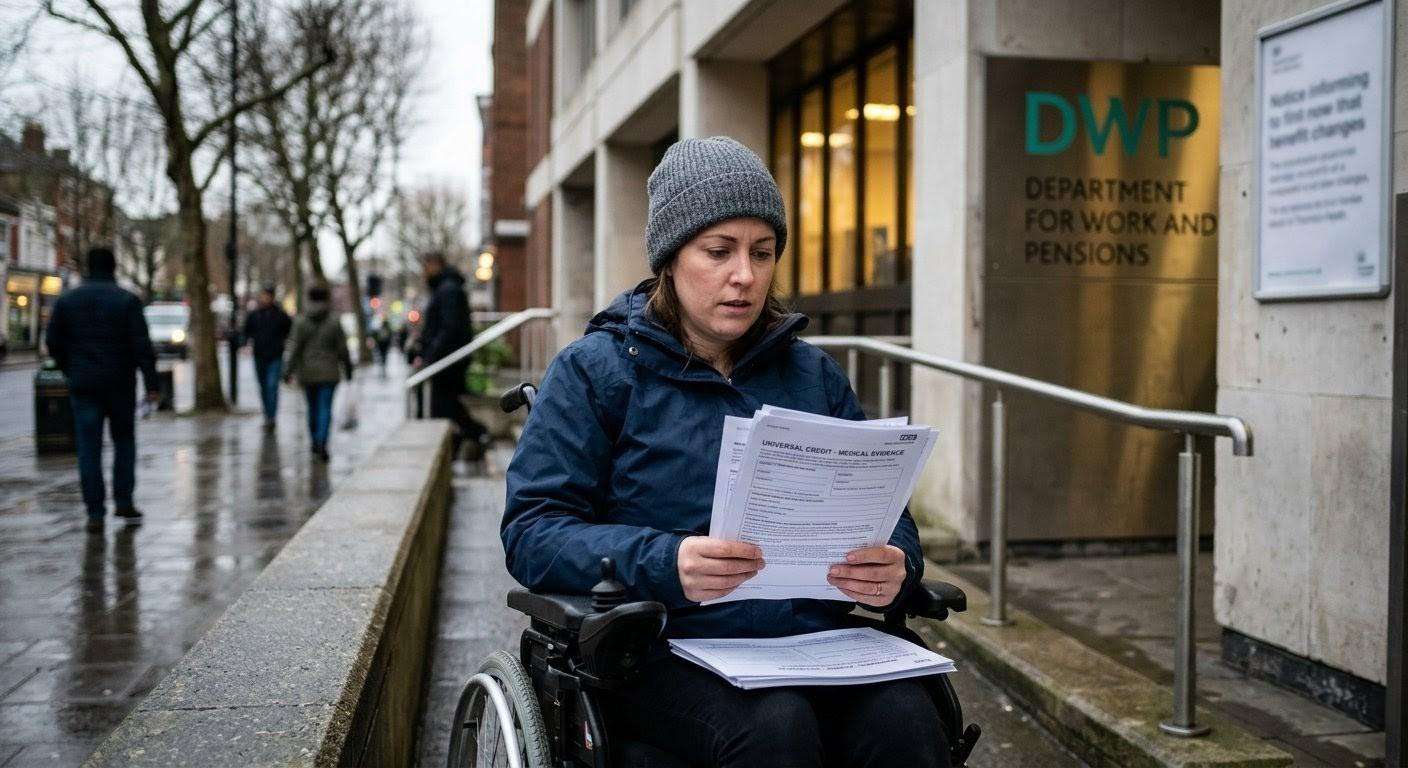
While public attention has focused on the halving of the Universal Credit health element to £50 per week starting this April, the untold story lies in the unprecedented administrative burden now placed on the NHS to prove a disability is permanent. This new gatekeeping mechanism requires claimants to provide exhaustive, definitive clinical proof that their condition has zero prospect of improvement. Medical professionals warn this is a standard that is scientifically impossible for many fluctuating or degenerative neurological diseases, effectively shifting the burden of proof onto overstretched local doctors.
The Hidden Data on Medical Rejections
Internal projections and early sector analysis suggest that the severe and lifelong designation will create a massive bottleneck within the health service. Unlike previous assessments that focused on current functional limitations, the new criteria force doctors to make predictive long-term prognostications. Experts warn this will lead to a surge in speculative rejections, where claimants with Parkinson’s or Multiple Sclerosis are denied the higher rate simply because a future treatment or partial recovery cannot be mathematically ruled out. This shift effectively transforms a social security safety net into a clinical trial of permanent incapacity that many vulnerable people lack the resources to navigate.
A Tiered System of Vulnerability
The implementation of these rules effectively creates a postcode lottery of disability support based on access to specialist consultants. Claimants in areas with shorter NHS waiting lists for formal diagnoses—such as learning disabilities or complex mental health conditions—will have a significantly higher chance of securing the £3,000 annual top-up than those trapped in years-long backlogs. Advocacy groups are now preparing for a wave of legal challenges centered on the arbitrary nature of the severe conditions criteria, arguing that the system penalizes those with unpredictable rather than static illnesses, regardless of the daily cost of their disability.
The Fiscal Cliff for New Claimants
Looking toward the 2029-30 fiscal window, the Treasury expects to save billions, but the local government cost of hidden destitution remains uncalculated. As the April deadline approaches, the focus is turning to the next step protocols for those who fail the lifelong criteria. These individuals will not only face a reduced income but will be integrated into intensive work-search regimes previously deemed inappropriate for their health status. This suggests a broader strategy to move the long-term sick into the active seeker category by default, using financial pressure as the primary lever for labor market reintegration.