




.svg)
The British border has transitioned into a zone of high-stakes bureaucracy for thousands of residents who, until now, considered their status unquestionable. A silent crisis is unfolding at the Passport Office as the government enforces rigid new entry requirements for dual nationals, exposing a legal loophole that penalizes those born to unmarried British fathers. This "illegitimacy tax" is not merely a label but a literal financial burden, forcing lifelong residents to pay thousands of pounds to "buy back" a birthright that was stripped away by archaic legislation.
The Looming Enforcement Wave
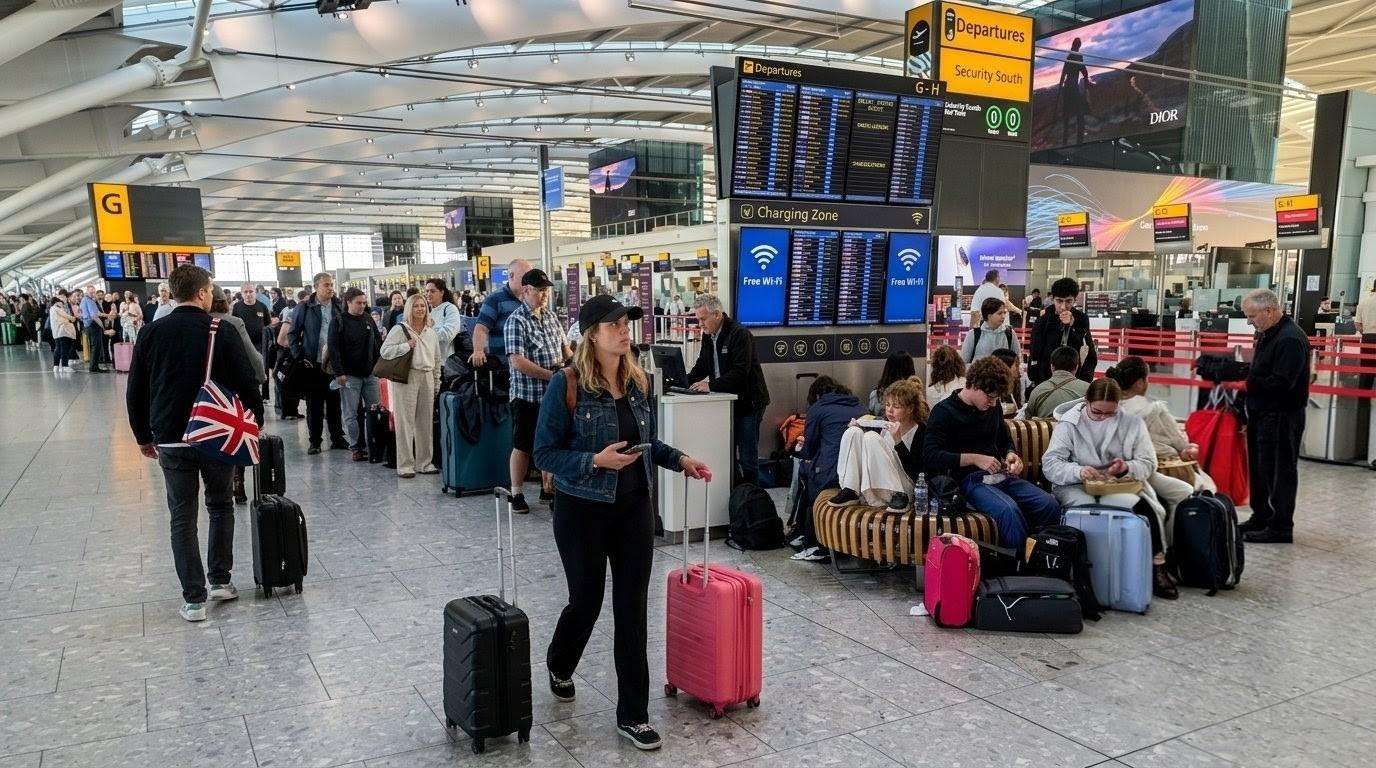
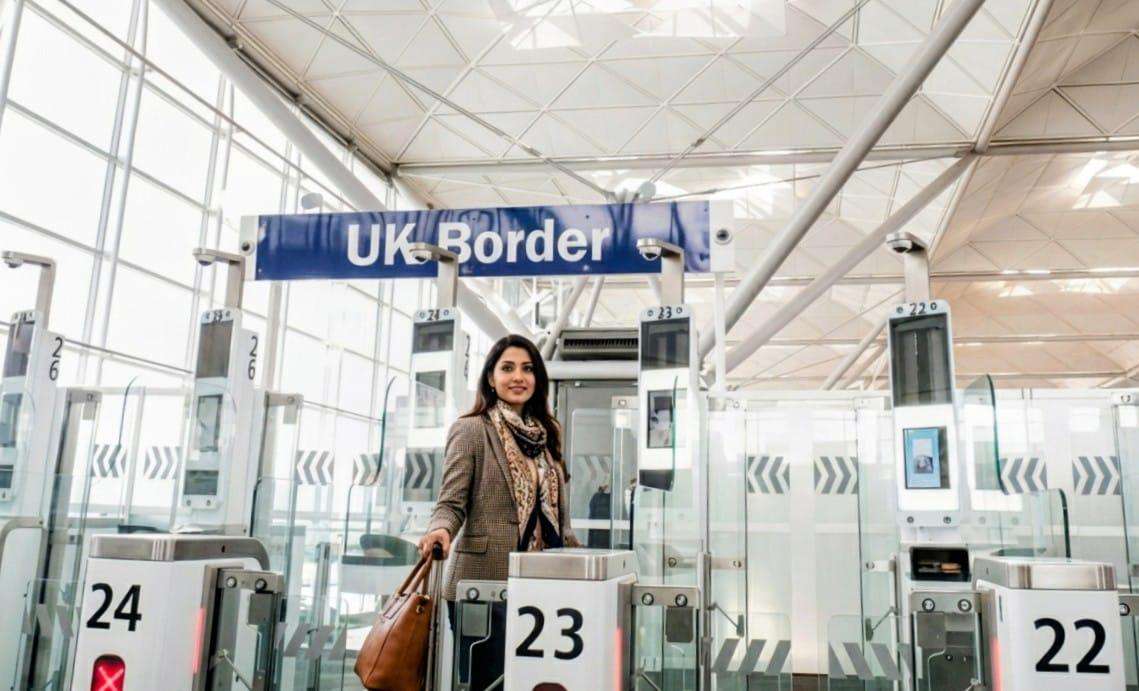
While public attention has focused on individual cases, the broader strategy involving the Home Office suggests a shift toward automated digital enforcement at all UK points of entry. Sources indicate that the next phase of this rollout involves the integration of the Electronic Travel Authorisation (ETA) system with historical birth records. This means that individuals who previously traveled on EU or foreign passports without issue will soon face automatic flags if their "Right of Abode" is not digitally linked to their biometric profile. For those born before 2005 to unmarried parents, the system will not recognize automatic citizenship, potentially leading to boarding denials at international airports before they even reach UK soil.
The Skyrocketing Price of Belonging
The financial barrier to resolving these status issues is intensifying as administrative fees are slated for a standard annual review. Currently, those caught in this trap face a multi-tiered fee structure. A Certificate of Entitlement to the Right of Abode costs £589, but for many, this is unavailable until they complete a UK-F type registration. The cost for citizenship registration can soar to £1,735, a figure that does not include the hidden costs of mandatory legal consultations, biometric enrollment fees, and the "Life in the UK" tests that lifelong residents are now being forced to take. Experts warn that as the Home Office moves toward a fully digital border by the end of 2026, these "voluntary" registrations will become mandatory hurdles for any dual national wishing to return home from abroad.
The Digital Border Deadlock
The core of the upcoming conflict lies in the lack of a "human-in-the-loop" resolution process. As the UK scales its AI-driven border checks, the nuance of "erroneously issued" past passports—like those held by residents for decades—is being ignored by algorithmic screening. Legal advocates are bracing for a surge in emergency litigation as the Home Office maintains a "bureaucracy first" culture. The immediate future suggests a tightening of the net, where the burden of proof is shifted entirely onto the individual to navigate 20th-century marriage laws using 21st-century digital standards. For the estimated thousands of "illegitimate" dual nationals, the window to secure status before the next wave of border tech updates is rapidly closing.




.jpeg)