





.svg)
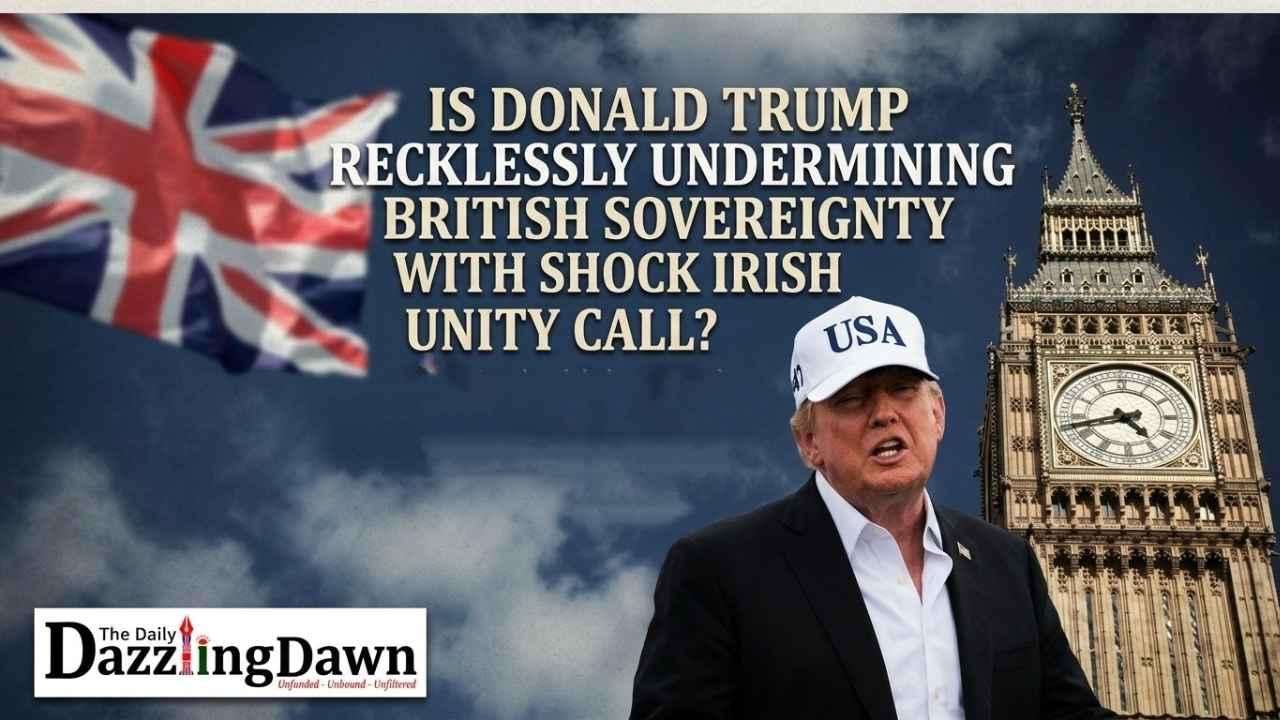
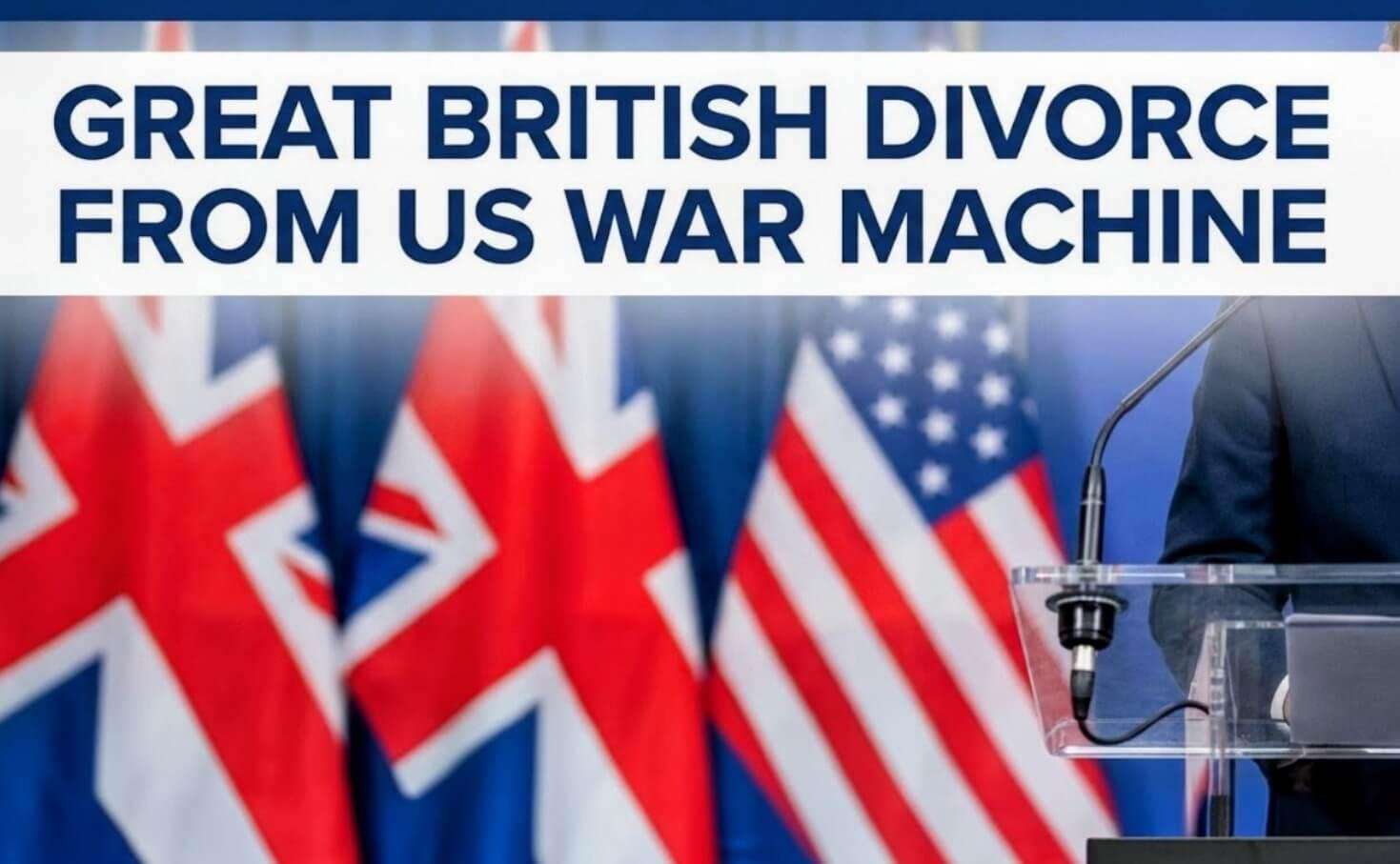
While Washington erupts in the "blaze of glory" of a new Middle Eastern conflict, London has signaled a profound and potentially permanent departure from its role as the Pentagon’s junior partner, Daily Dazzling Dawn realised.
A NEW POLITICAL IDENTITY BEYOND THE BATTLEFIELD- The strikes launched by Donald Trump against Iran on February 28, 2026, have not just ignited the Middle East; they have exposed a massive tectonic shift in the British soul. For decades, the "Special Relationship" meant British boots followed American tracks into every desert. Today, that era is over. Prime Minister Keir Starmer’s refusal to allow the US to use British bases at Fairford and Diego Garcia for offensive strikes is not a mere diplomatic hiccup—it is the manifestation of a new British political reality that prioritizes de-escalation over destruction.
This transformation is not driven by a single demographic or the pressure of a specific wing of politics. It is a cross-country, multi-generational consensus. From the bustling streets of London to the quiet towns of the North, a silent majority of the British public has reached a breaking point with the "War Economy." The scars of Iraq and Afghanistan have finally healed into a firm shield of skepticism. Most Britons now view national security through the lens of economic stability and climate resilience rather than missile counts and regime change.
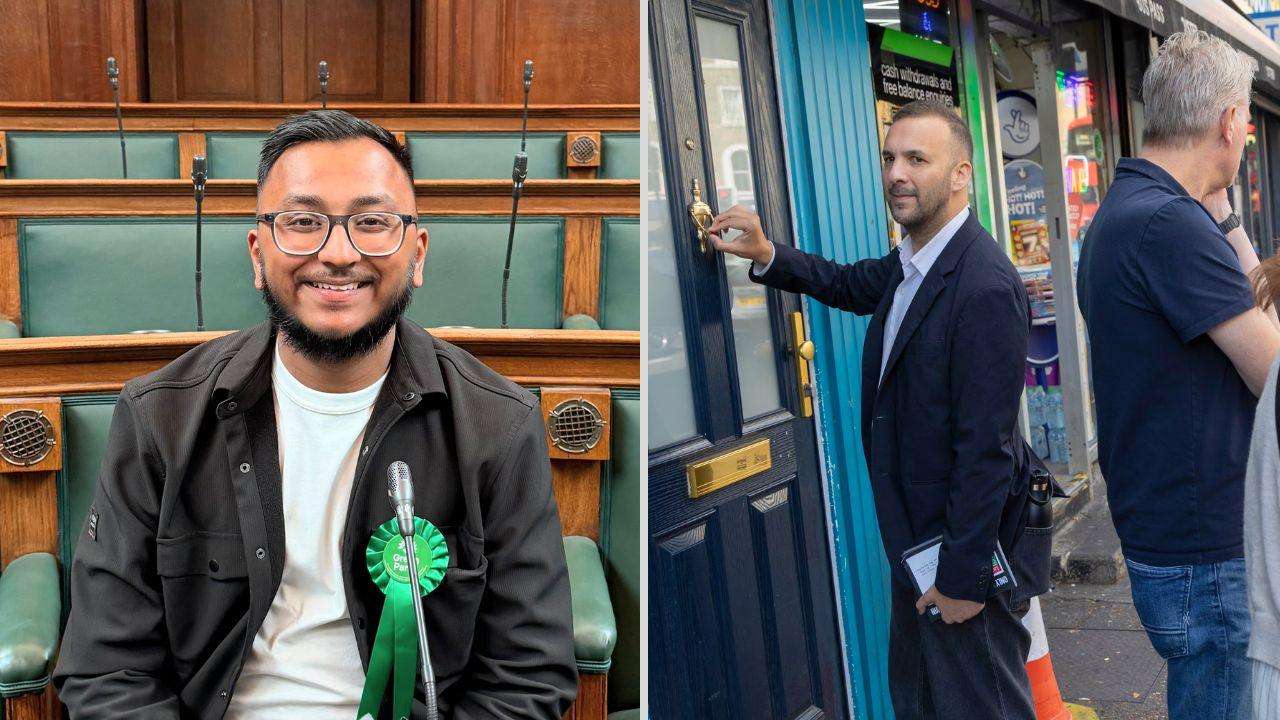
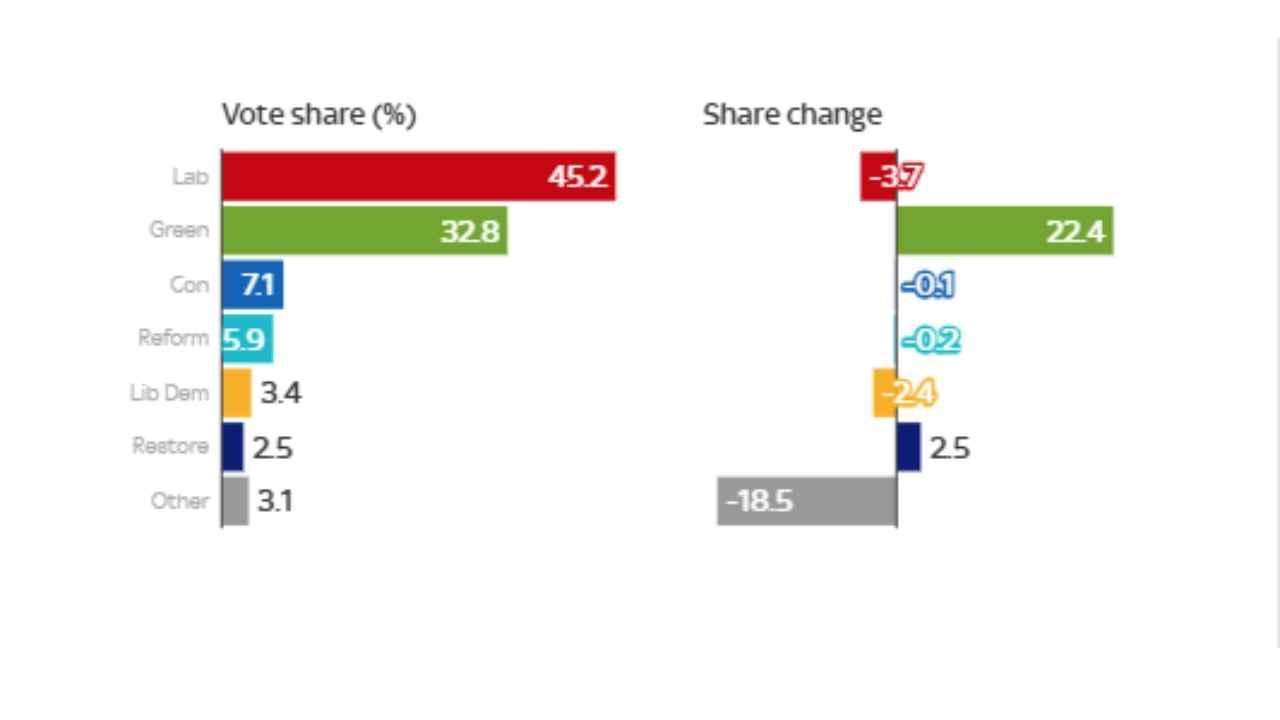
THE PRESSURE FROM THE FLANKS: CORBYN AND THE GREEN SURGE-The domestic political landscape has become a minefield for any leader entertaining thoughts of military adventurism. The recent Gorton and Denton by-election was a warning shot fired across the bows of the establishment. With the Green Party polling at historic highs of 15% and Jeremy Corbyn’s new "Your Party" mobilizing a youth base that views war as an archaic relic of the 20th century, the centrist government finds itself trapped.
Zack Polanski’s Green Party has overtaken traditional giants in membership, campaigning on a platform where "human security" replaces "military dominance." Meanwhile, Corbyn remains a constant shadow over Downing Street, his enduring popularity among the youth acting as a permanent check on Keir Starmer’s foreign policy. If Starmer moves toward war, he risks a total collapse of his voter base to a left-wing realignment that is hungry for a "Peace Dividend" to fund the NHS and green infrastructure.
REJECTING THE WAR ECONOMY FOR DOMESTIC SURVIVAL- The reasons for this shift are as much about the pocketbook as they are about the heart. As the UK economy struggles to "turn a corner" in 2026, the public appetite for multi-billion-pound military campaigns has evaporated. There is a growing realization that a "War Economy" only serves to drain resources that the country desperately needs for its own recovery.
The refusal to hand over Diego Garcia or allow its use for the Iran strikes is a strategic play for sovereignty. Britain is no longer willing to be the "unsinkable aircraft carrier" for American interests if it means inviting retaliation or breaching international law. Even as Reform UK and the far-right attempt to stir nationalist fervor for a return to hard-power alignment, their message is increasingly falling on deaf ears. The British people are looking inward, focusing on social cohesion and a "broken" domestic system that needs fixing far more than a foreign regime needs toppling.
THE ROAD TO THE NEXT ELECTION: A FINALITY FOR PEACE- What happens next will define Great Britain for the next half-century. As the country moves toward the next general election, the "Peace Reality" is set to become the central pillar of the British manifesto. Unless the aggressive rhetoric of the far-right can find a new foothold, the era of British involvement in "forever wars" is being finalized.
The UK is charting a course as a mediator and a defensive power, standing in stark contrast to the preemptive strike philosophy of the Trump administration. This is the beauty of the new Great Britain: a country that has learned the hardest lessons of history and is finally brave enough to say "no" to the drums of war.



.jpg)