


.svg)
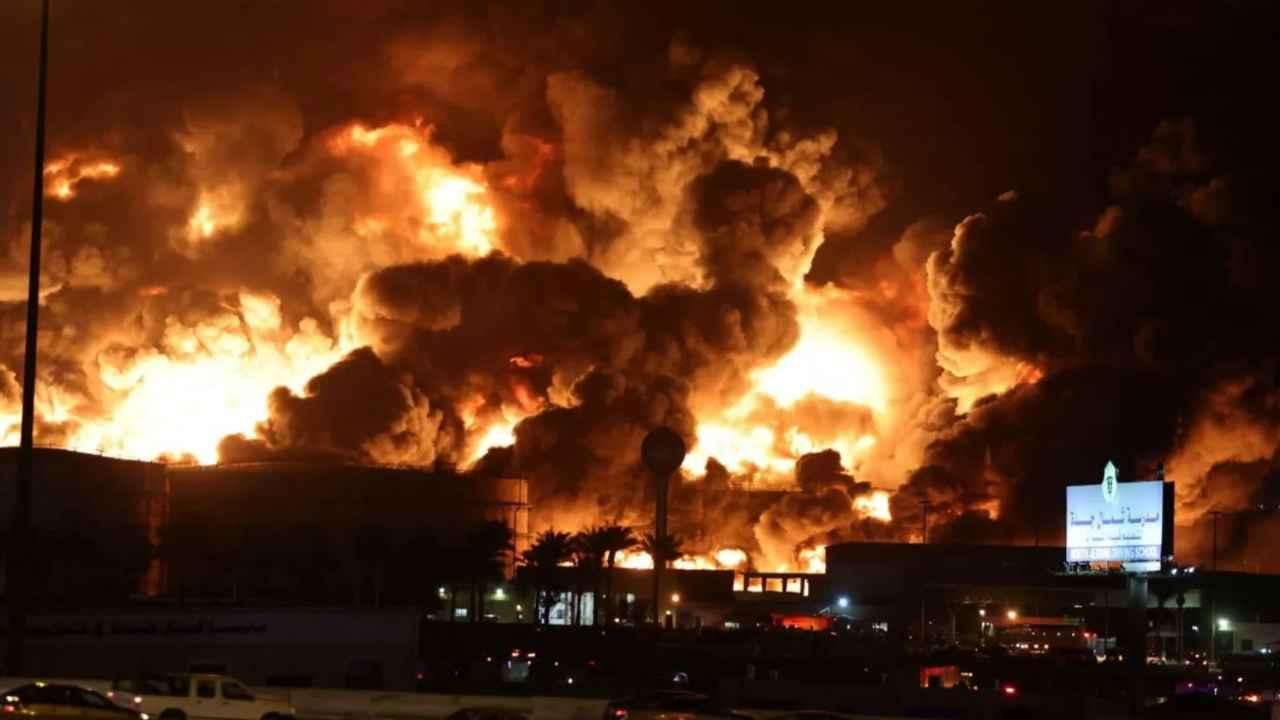
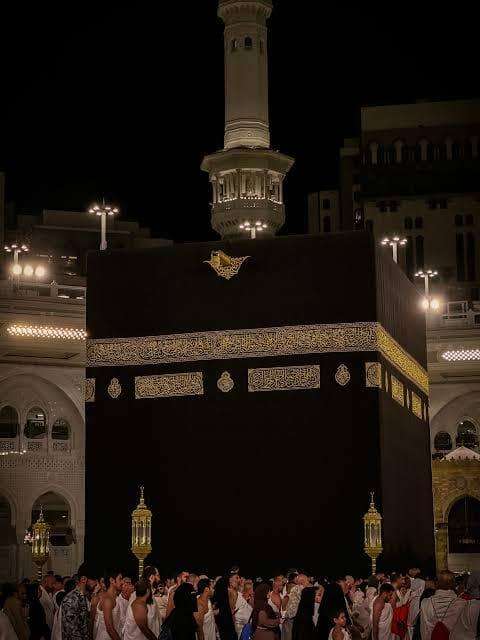
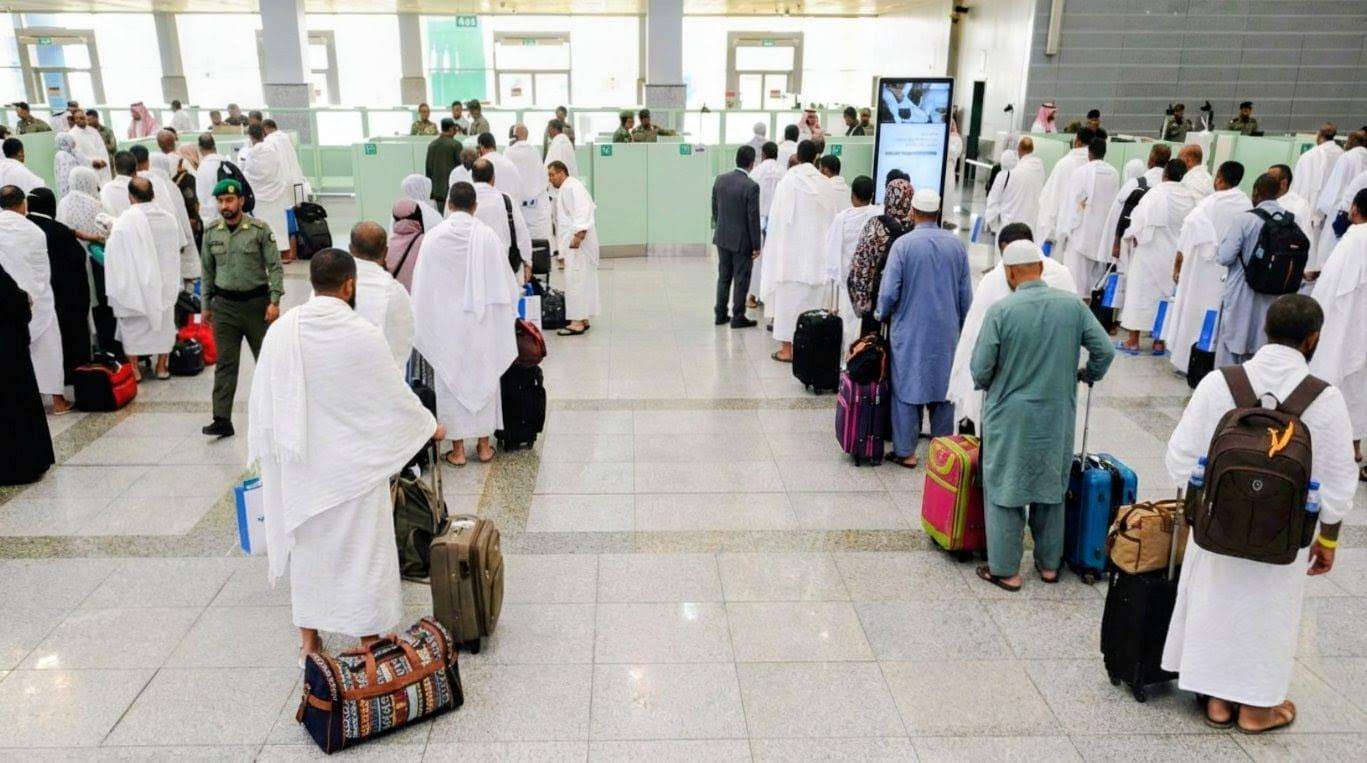
The sudden escalation of military activity in the Middle East has effectively severed the primary air bridge for thousands of Umrah pilgrims from the UK, USA, and Europe, leaving travelers in a state of unprecedented logistical and financial uncertainty. While the world watches the geopolitical fallout of recent strikes on Iran, a more quiet crisis is unfolding at international departure gates and in the holy cities of Makkah and Madinah. Unlike previous disruptions, the current 2026 crisis is defined by a "total airspace lockout" that has forced major carriers like British Airways, Lufthansa, and United Airlines to not only cancel flights but to suspend entire routes indefinitely.
The Invisible Wall: Why Western Pilgrims Are Hit Hardest
Pilgrims traveling from the West often rely on major transit hubs in Dubai, Doha, and Istanbul, all of which are currently operating under severe constraints or total closures. For those in the UK and Europe, the European Union Aviation Safety Agency (EASA) has extended its "Conflict Zone" bulletin, advising all carriers to bypass Iranian and Iraqi airspace entirely. This has added hours to flight times for the few remaining operational routes, leading to "cascading cancellations" where even if a flight to Saudi Arabia is technically clear, the aircraft is stuck elsewhere due to the rerouting of earlier legs. US-based pilgrims face an even steeper challenge as American carriers have been the first to implement "security-first" groundings, leaving thousands of families with confirmed visas but no physical means to reach the Kingdom.
The Refund Reality: Battle for Reclaiming Costs
The question of financial recovery has become a complex legal battlefield. For flight tickets, passengers on UK and EU-regulated flights are protected under EC 261/2004 or the UK equivalent, which mandates a full refund or rerouting if a flight is canceled. However, airlines are increasingly citing "Extraordinary Circumstances" to avoid paying additional compensation for missed hotels or meals. For pilgrims from the USA, the situation is more precarious, as federal law only requires refunds for the airfare itself, leaving travelers to fight for "unused services" through private insurance. The most significant financial blow is the "non-refundable" nature of Umrah hotel bookings; many Makkah and Madinah hotels operate on a prepay-only basis during peak seasons, and while the Saudi Ministry of Hajj and Umrah has previously pressured hotels to be flexible, there is currently no mandatory Kingdom-wide decree forcing hotels to refund "No-Shows" caused by regional conflict.
Essential Refund Guidelines for Stranded Travelers
To maximize the chance of recovery, pilgrims must act within the first 48 hours of a cancellation. First, obtain a "Proof of Disruption" letter from your airline, which is the primary document required for any insurance claim. Second, contact your Umrah travel agent immediately to initiate a "Force Majeure" claim for ground arrangements. If the agent is unresponsive, pilgrims in the UK should utilize the ATOL protection scheme, while those in the USA should contact their credit card provider to initiate a "Services Not Rendered" dispute. It is vital to save all digital communication with hotels in Makkah and Madinah, as any written admission of a "possible credit for future stay" can be used as leverage. Avoid accepting airline vouchers unless they include a significantly higher value than the original ticket, as cash refunds are harder to obtain once a voucher is accepted.
Future Outlook: What Happens if the Conflict Persists
If the military situation continues to deteriorate, the Saudi Ministry of Hajj and Umrah may be forced to implement an "Emergency Visa Extension" program for those already inside the Kingdom who cannot return home. For those yet to travel, the "Umrah-Plus" packages are likely to be suspended entirely. Experts predict that if the regional "No-Fly Zone" remains in place for more than 14 days, the Saudi government may move to centralize refund processing through the Maqam portal to protect the reputation of its religious tourism sector. In the coming weeks, we may see the emergence of a "Safe Corridor" via African hubs, though this would significantly increase the cost of pilgrimage packages for Western travelers.
Read more: Ramadan’s Iron Skies: Operation Epic Fury Paralyses Global Aviation
Security and Survival: Next Steps for the Stranded
Pilgrims currently in Saudi Arabia are advised to stay within the boundaries of the Haram areas and avoid traveling to the Eastern Province or near the border regions. For those stuck at home, do not cancel your visa manually; let the airline or agent trigger the cancellation to ensure you remain eligible for a refund under "Force Majeure" clauses. The "wait and see" approach is no longer viable; if your flight is canceled, initiate your refund claim immediately, as the sheer volume of claims in the coming days may lead to significant processing delays at major banks and insurance firms.