






.svg)
AI Identity Crisis: The Fight to Purge the Digital Mugshot Database-Software engineer Alvi Choudhury launches a landmark legal challenge against UK police over facial recognition bias.
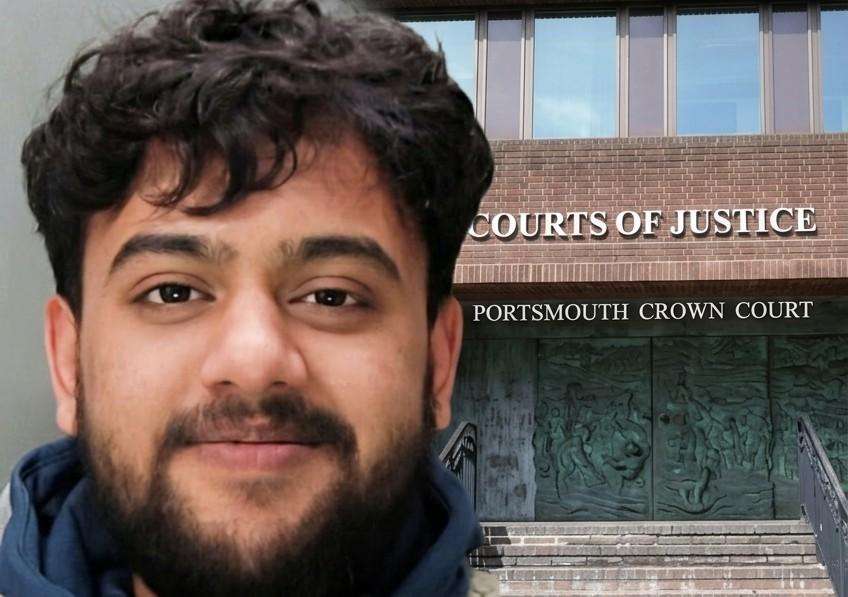
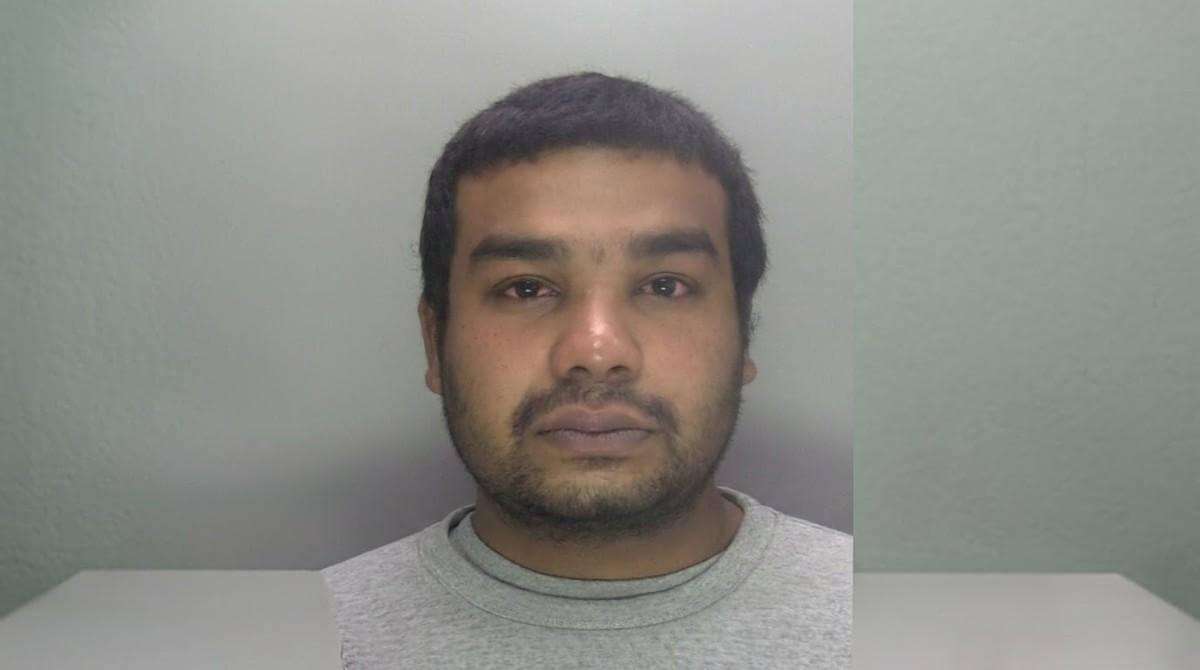
The future of British policing is currently sitting in a courtroom as 26-year-old software engineer Alvi Choudhury—a British Bangladeshi professional—takes on the giants of state surveillance. While earlier reports focused on the simple mechanics of his January arrest, new developments reveal a much deeper systemic failure: the "perpetual suspect" loop. Because Choudhury was wrongly arrested once before in 2021, his image remained in the system, effectively turning his face into a digital target for an algorithm that internal Home Office data now admits is up to 100 times more likely to misidentify Asian and Black subjects compared to white subjects, Daily Dazzling Dawn realised.
The Systematic Glitch in Human Oversight- The core of the upcoming legal battle rests on a startling admission from Thames Valley Police. While the force publicly claims a "human visual assessment" confirmed the match, internal communications suggest the officers on the ground realized the error almost immediately upon seeing Choudhury in person. This discrepancy points to a "confirmation bias" where investigators trust the machine over their own eyes. With the Home Office currently running 25,000 monthly searches using the German-engineered Cognitec algorithm, the Choudhury case has become the primary catalyst for a total review of how "intelligence matches" are converted into "grounds for arrest."
The High Stakes of a Digital Paper Trail- For Choudhury, the damage extends far beyond the ten hours he spent in a cell. As a software engineer requiring high-level security clearance for government contracts, every "ghost arrest" triggered by faulty AI creates a permanent stain on his professional record. His legal team at DPP Law is now pivoting the case toward a broader demand: the mandatory deletion of mugshots for those never charged with a crime. Under current UK regulations, the police can retain images of innocent people indefinitely, a loophole that former Biometrics Commissioner William Webster warns is creating a "database of the innocent" ripe for algorithmic exploitation.
What Happens Next in the Surveillance Reform- The Home Office is already feeling the heat from this specific case, quietly accelerating the rollout of a "next-generation" facial matching system. However, civil rights groups like Liberty argue that changing the software won't fix the underlying issue of police accountability. As Choudhury’s claim for damages moves forward, the focus shifts to the National Police Chiefs’ Council, which is under pressure to implement a "clear-and-delete" policy. The outcome of this case could determine whether a brown person in the UK can ever truly walk free from a digital error, or if they remain, as Choudhury fears, a suspect for every crime committed by someone with similar hair.