






.svg)
The British Monarchy is currently navigating a period of unprecedented scrutiny that threatens to permanently alter its standing both at home and across the Commonwealth. Following the steadying seventy-year reign of Queen Elizabeth II, the transition to King Charles III has been met with a rapid deconstruction of the "royal mystique." This shift is not merely a result of changing times but is driven by a series of internal fractures and legal entanglements that have stripped away the traditional immunity once enjoyed by the House of Windsor. The loss of respect is tangible, moving from a sense of national identity to a debate over institutional necessity.
The Andrew Factor and the Succession Debate
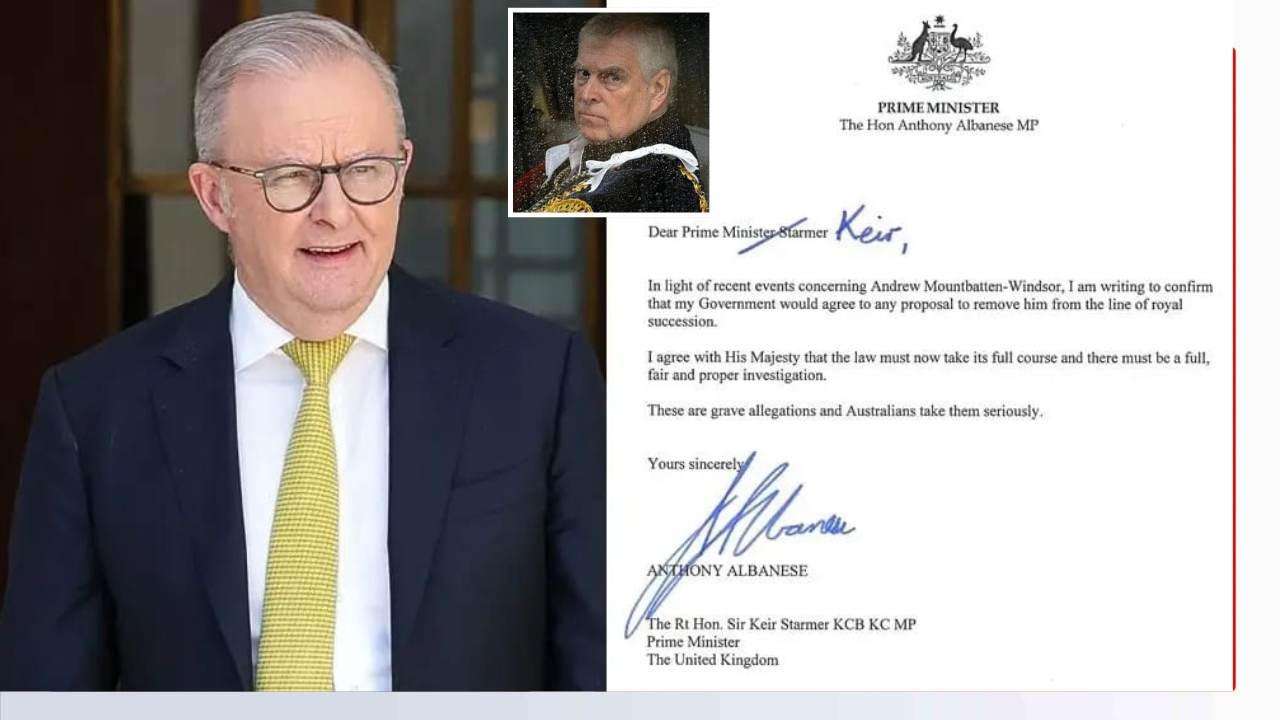
The most immediate threat to the Crown’s integrity stems from the escalating legal situation involving the King’s younger brother, Andrew Mountbatten-Windsor. His recent arrest on suspicion of misconduct in public office has moved the Epstein-related controversy from a reputational stain to a criminal investigation. This development has forced a global political response, most notably from Australia, where Prime Minister Anthony Albanese has formally backed the UK Government’s potential move to strip Andrew of his place in the line of succession. Such a move would be a historical anomaly, requiring an Act of Parliament and the consensus of 14 Commonwealth realms, signaling a total severance of his ties to the state.
A Dynasty Divided: The Brother Against Brother Narrative
Beyond the legal shadows cast by the Duke of York, the internal stability of the family is further compromised by the ongoing estrangement between the King’s sons, Prince William and Prince Harry. The public nature of their grievances has transformed the private lives of the royals into a global soap opera, diminishing the "dignified" image the palace seeks to project. While William attempts to position himself as a modernizing force focused on homelessness and the environment, he is tethered to the fallout of his uncle’s scandals and his brother’s public critiques. This dual-front conflict—one legal and one personal—has created a perception of a family in disarray rather than a symbol of national unity.
The Accountability Mandate and What Happens Next
The path forward for King Charles III is defined by a desperate need for transparency in an era that no longer accepts "never complain, never explain" as a valid PR strategy. The King has publicly signaled that the law must take its course regarding his brother, a necessary but painful distancing. The next phase will likely involve high-stakes legislative debates in the House of Commons regarding the Line of Succession. As police investigations continue at Sandringham and Windsor, the monarchy’s survival hinges on whether it can successfully transition from a symbol of inherited power to an institution of proven public service and accountability.
Read more: Biggest Royal Crisis Since 1936? King Charles Responds to Brother’s Arrest







.jpeg)