



.svg)
The global economy faces a 150-day countdown of uncertainty as President Trump triggers emergency trade powers to keep his "America First" agenda alive, Daily Dazzling Dawn understand.
Trump’s Section 122 Pivot Bypasses Supreme Court Setback-In a swift move to outmaneuver a 6-3 Supreme Court ruling that labeled his previous tariffs illegal, President Donald Trump has invoked Section 122 of the Trade Act of 1974. This rarely used "Balance of Payments" authority allows the White House to impose a temporary 10% global import duty starting Tuesday, February 24, at 12:01 am. Unlike the invalidated IEEPA levies, these new duties are legally capped at 150 days and 15%, forcing a high-stakes ticking clock on global trade partners. While the President’s legal team argues this provides the "shrewd leverage" needed for new trade deals, critics warn it may trigger a $175 billion refund "food fight" for previous illegal collections.
UK Gains Strategic Edge Amid European Market Volatility-The United Kingdom finds itself in a uniquely advantaged, yet delicate, position compared to its European neighbors. Following the Supreme Court ruling, the FTSE 100 hit a new intraday high of 10,745, specifically buoyed by exporters like Diageo, which saw a 3.9% surge as previous Scotch whisky duties were questioned. While the EU faces a looming 15% blanket rate, the UK has successfully negotiated a privileged 10% cap. This "special relationship" includes vital carve-outs for the automotive sector—allowing up to 100,000 UK-made cars to enter the US annually at the lower rate—and duty-free access for pharmaceuticals. However, Downing Street remains on high alert as the White House signals that these 150-day "temporary" measures could transition into more permanent, product-specific restrictions on agriculture and tech.
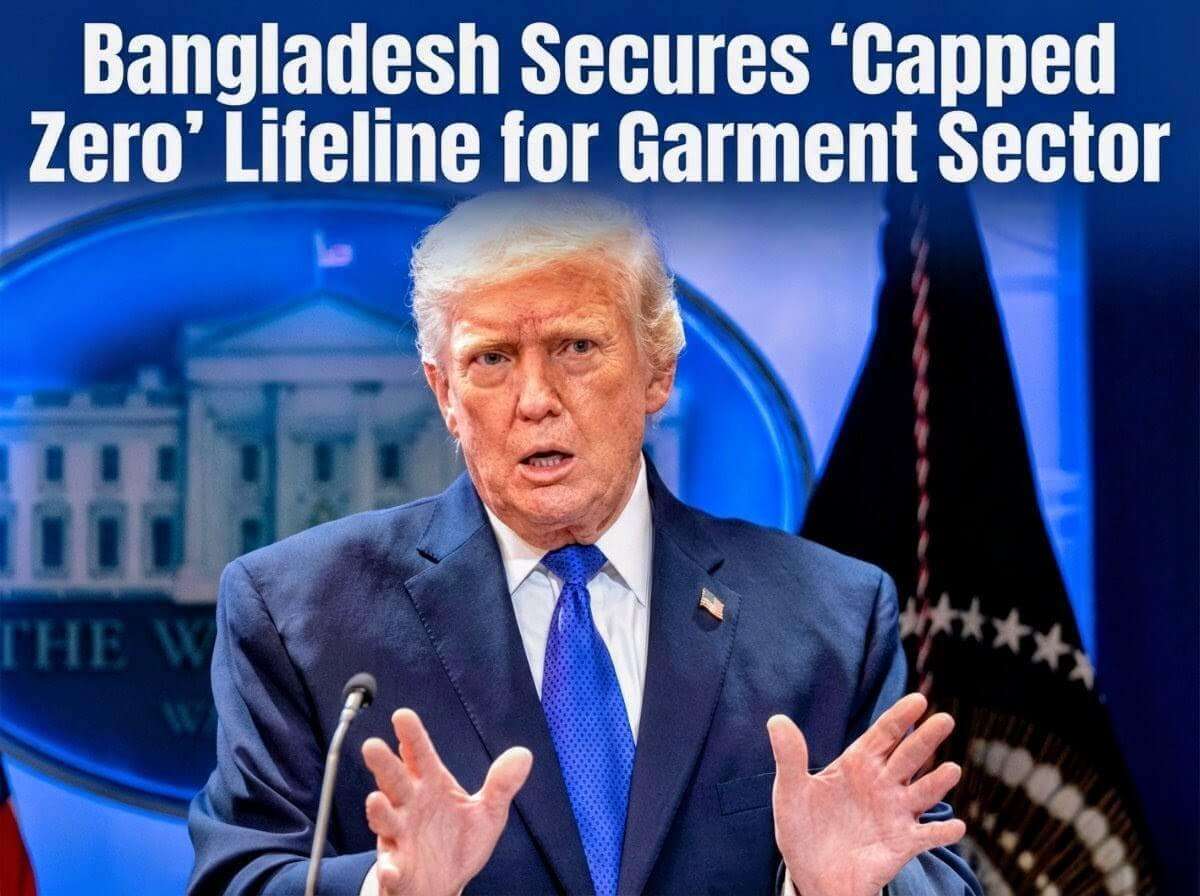
Bangladesh Secures "Capped Zero" Lifeline for Garment Sector-In South Asia, Bangladesh has emerged as a surprising winner through a newly signed Reciprocal Tariff Agreement that offers a strategic shield against the 10% global baseline. While other nations scramble, Dhaka has secured a deal lowering general US tariffs on its goods from 37% to 19%. More critically, the "Annex III" provision now allows select textile and apparel products—the backbone of Bangladesh’s economy—to enter the US at a 0% tariff rate, provided they use US-sourced cotton or man-made fibers. This deal, signed by Commerce Adviser Sheikh Bashir Uddin, aims to stabilize four million jobs in the garment sector and gives Bangladesh a competitive edge over regional rivals like India, whose exporters have already noted a decline in January shipments.
Wall Street Calms While Global Supply Chains Bracing for July-Financial markets reacted with surprising resilience to the Friday afternoon chaos, with the S&P 500 rising 0.7% as investors factored in the 150-day limit of the new policy. However, the long-term forecast remains cloudy. Experts at the Penn-Wharton Budget Model suggest the US must now grapple with how to return billions in illegally collected revenue without crashing the Treasury. Looking ahead to July 2026, the global economy faces a "cliff edge" when the Section 122 authority expires. Unless the Trump administration can secure congressional approval or negotiate new bilateral deals—similar to the Bangladesh model—a second wave of trade litigation and retaliatory "tit-for-tat" tariffs from the EU and China is almost certain to follow.