
.jpg)


.svg)
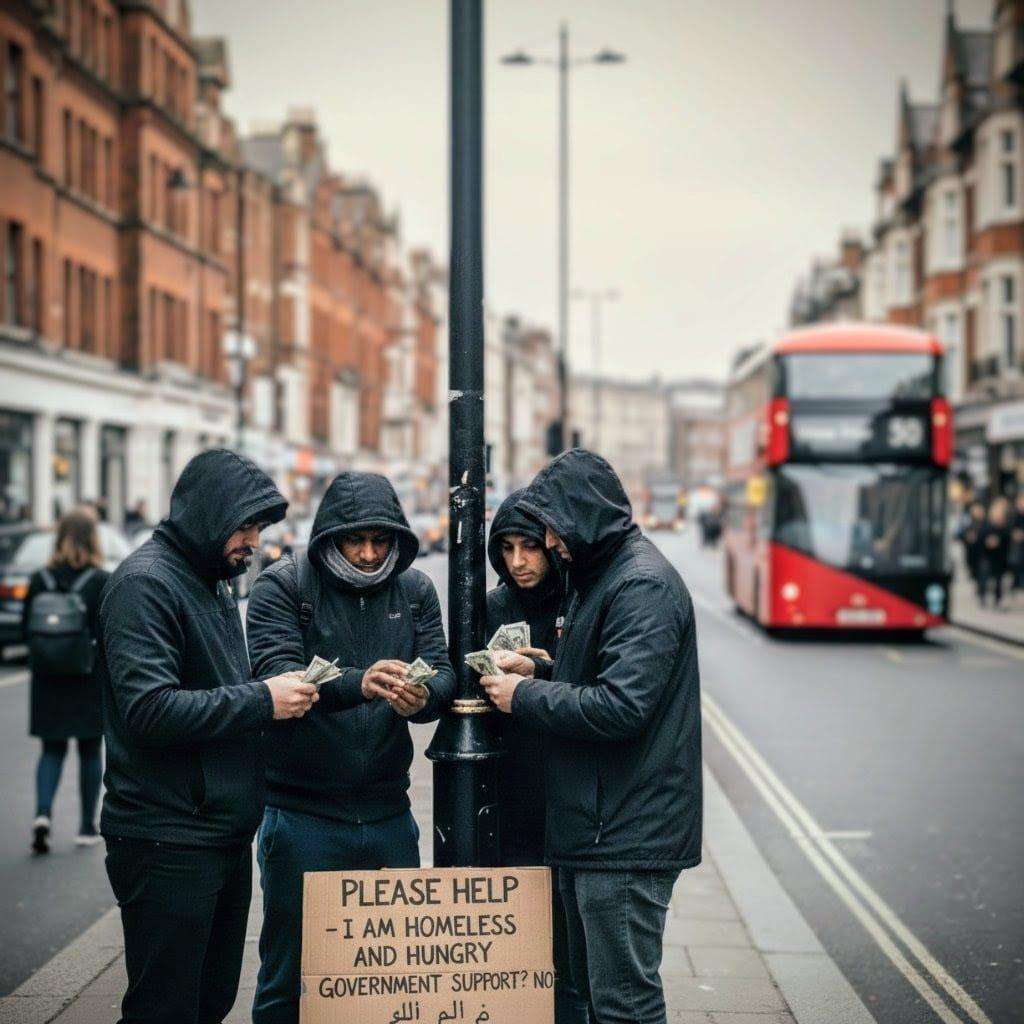
New intelligence reveals that many individuals occupying high-traffic street corners in Hammersmith and Fulham are not victims of displacement but members of sophisticated criminal networks. These "professional" groups often commute into the borough, strategically rotating shifts to maximize tax-free earnings that frequently exceed the daily wages of the residents they solicit. Authorities have documented these individuals arriving in groups, refusing all offers of official housing or social support, and using pre-written scripts to feign an inability to speak English. This is a calculated business model designed to exploit the UK’s culture of charity, diverting vital resources away from the genuinely vulnerable who rely on legitimate state benefits.
The Deadly Link Between Pavement Profits and Drug Addiction
A primary driver behind this crackdown is the undeniable correlation between aggressive begging and the local drug trade. Police reports indicate that a significant portion of the cash handed to "homeless" individuals in West London is immediately funneled into Class A drug markets, fueling the very addiction that keeps these individuals on the streets. By allowing these syndicates to operate, the public is inadvertently subsidizing a cycle of dependency and crime. The new Public Spaces Protection Order (PSPO) aims to break this circuit by treating persistent begging not as a plea for help, but as a public nuisance and a funding mechanism for illegal substance abuse.
Draconian Fines and New Enforcement Powers
Hammersmith and Fulham Council has empowered officers to issue immediate Fixed Penalty Notices (FPNs) to anyone caught in "professional, aggressive, or persistent" begging. The legislation also introduces a ban on gathering in groups of two or more for the purpose of antisocial behavior and, crucially, a prohibition on face coverings used to conceal identity during criminal acts. Unlike previous "light-touch" approaches, these measures are designed to make the borough a hostile environment for professional fraudsters. Those who refuse to comply face escalating fines and potential prosecution, signaling a shift toward a "zero tolerance" model for those who prioritize illicit profit over community safety.
The Future of Street Safety in the UK
The West London model is expected to be a blueprint for a nationwide roll-out. As public frustration peaks, the Home Office is closely monitoring the success of this PSPO to determine if similar mandatory powers should be granted to all London boroughs by the end of 2026. Future legislation is likely to include "Criminal Behavior Orders" that can ban repeat offenders from entire postal codes, alongside mandatory rehabilitation for those whose begging is driven by addiction. The message from the government is clear: the era of the "professional beggar" is ending, and the streets are being reclaimed for the law-abiding public.