




.svg)
Mere overconfidence is not enough to secure victory; Jamaat has learned this lesson the hard way in this election. Despite an election held without the Awami League, they failed to capitalize on the opportunity presented to them. In the entire Sylhet division, the 11-party alliance managed to secure only a single seat (Sylhet-5). Remarkably, not a single candidate directly representing Jamaat-e-Islami was able to clinch a victory in any constituency. Interestingly, of the Awami League supporters who did venture out to the polls, the vast majority cast their ballots in favor of the BNP.
The political landscape of Bangladesh has shifted on its axis following today’s historic general election, as the Bangladesh Nationalist Party (BNP) secured a near-clean sweep across the Sylhet division, leaving its former ally Jamaat-e-Islami reeling from an unexpected electoral collapse. Despite Jamaat’s high-profile return to the political fold and a campaign built on the momentum of the 2024 student-led uprising, the voters of the northeast have sent a clear message by favoring the organizational weight and traditional appeal of the BNP.
The most shocking upset occurred in Sunamganj-2, where Jamaat’s legal powerhouse and heavyweight candidate Shishir Monir was defeated by the BNP’s veteran leader Nasir Uddin Chowdhury. This loss is being viewed by analysts as the "litmus test" that Jamaat failed, proving that legal popularity and social media presence do not always translate into grassroots votes when faced with a seasoned political machinery. While Jamaat entered the race with high hopes of capturing the "youth vote" and the "revolutionary spirit," the results indicate that the silent majority in Sylhet preferred the stability of the BNP's governance experience.
The Sylhet Breakdown: A Sea of Straw Sheaves
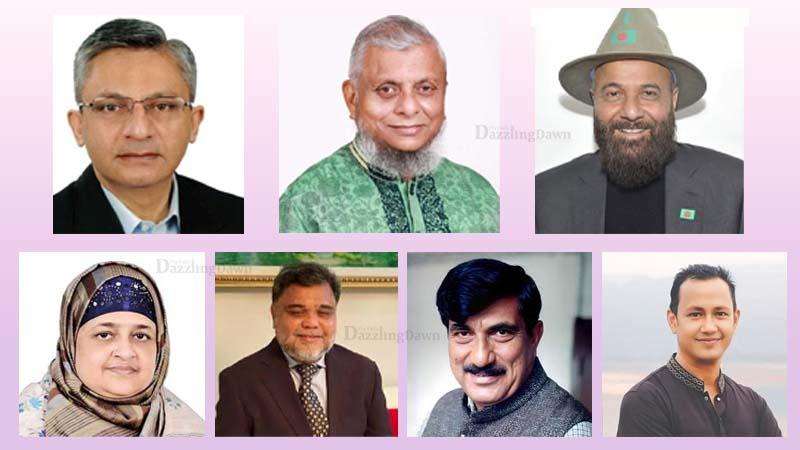
In the nineteen seats across the Sylhet division, the unofficial results confirm a massive mandate for the BNP. In Sylhet-1, the prestigious seat often seen as a barometer for the national mood, Khandaker Abdul Muktadir emerged victorious. The trend continued across the region with Tahsina Rushdi Luna winning Sylhet-2, M.A. Malek taking Sylhet-3, and Ariful Haque Chowdhury securing Sylhet-4. The BNP’s dominance was even more pronounced in Sunamganj, where they swept all five seats, including victories for Kamruzzaman Kamrul (Sunamganj-1) and Nurul Islam Nurul (Sunamganj-4).
Further south in Moulvibazar, the legacy of late finance minister M. Saifur Rahman proved its staying power as his son, M. Nasser Rahman, reclaimed Moulvibazar-3. The victory of Shaukatul Islam Shaku in Moulvibazar-2 and Haji Mujibur Rahman in Moulvibazar-4 further solidified the BNP’s fortress, Moulvibazar-1 BNP Candidate Nasir Uddin Ahmed Mithu. The failure of Jamaat-e-Islami to secure even a single significant foothold in these areas—despite an 11-party alliance—suggests a massive strategic miscalculation in their ground-level voter mobilization.
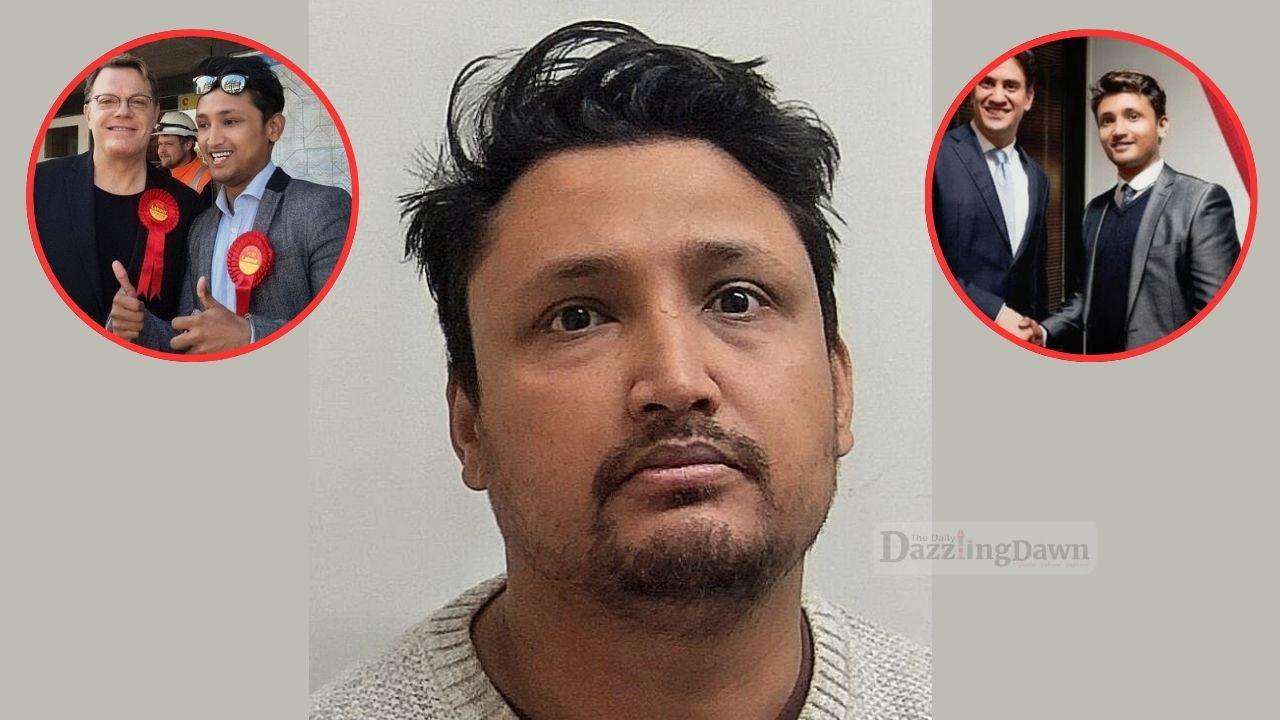
Ex-Labour candidate jailed: Who is British-Bangladeshi fraud Amran who wanted to become MP?
Why Jamaat Failed Where BNP Prevailed
Political analysts from the Daily Dazzling Dawn suggest that Jamaat-e-Islami’s failure stems from a "credibility gap" between their revolutionary rhetoric and the practical needs of the Sylhet electorate. While Jamaat relied heavily on the support of the National Citizen Party (NCP) and student activists, the BNP successfully tapped into the traditional conservative base that views Tarique Rahman’s party as the only viable alternative to the previous regime. The BNP's strategy of fielding "elder statesmen" like Nasir Uddin Chowdhury against Jamaat’s younger "intellectual" candidates effectively neutralized the youth-wave narrative in rural constituencies.
Furthermore, internal friction within the 11-party alliance and allegations of "vote-shipping" in other districts seemingly distracted Jamaat from focusing on the unique regional issues of Sylhet, such as flood management and the expatriate economy. The BNP, conversely, ran a localized campaign, promising immediate economic stabilization and leveraging their deep-rooted family networks in the tea-growing and haor regions.
Governance and Reform
As the counting concludes, the focus shifts to the national referendum on the July National Charter. With the BNP poised to lead the next parliament, the implementation of sweeping constitutional reforms—including the creation of an Upper House and the reconfiguration of the caretaker system—will be the first major challenge. The "Yes" vote is expected to carry the day, giving the new BNP-led government a mandate to overhaul the judicial and electoral systems within the next 180 days.
For Jamaat-e-Islami, this result is a bitter pill and a call for soul-searching. They must now decide whether to remain a vocal opposition outside the parliament or attempt to influence policy through their alliance partners who managed to scrape through. For the people of Bangladesh, the end of the "Hasina era" has not led to a fragmented Islamist surge, but rather a return to a consolidated, BNP-centric democratic order.
Tarique Rahman's return marks a new dawn for Bangladesh as BNP sweeps the 2026 polls.