




.svg)
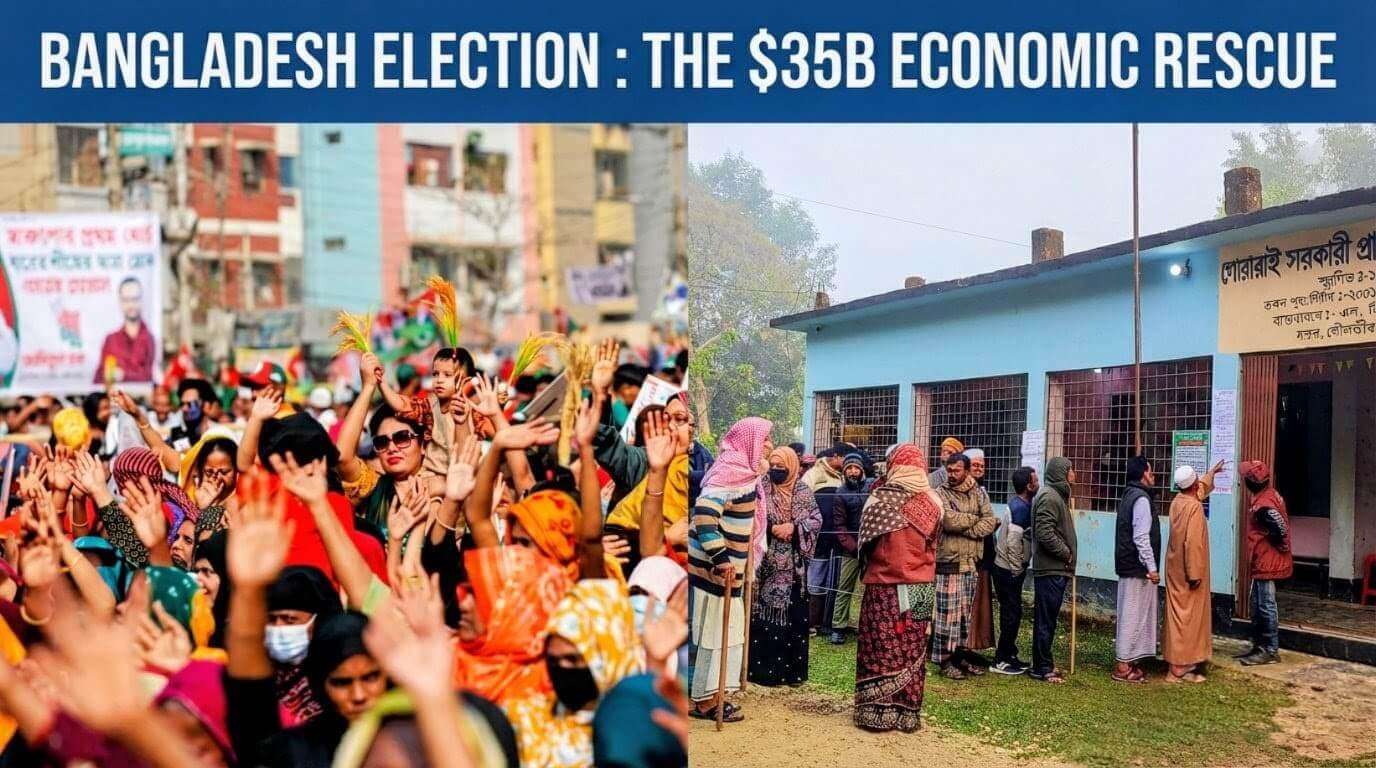
While the ink dries on the ballots of the 2026 general election, the real battle for the nation’s future is shifting from the polling booths to the high-stakes corridors of the central bank. Beyond the political transition, Bangladesh is currently navigating a delicate "recovery-mode" economy, with the incoming administration inheriting a fiscal landscape defined by both resilience and extreme pressure. The first 100 days will be a race against time as the government attempts to stabilize foreign currency reserves, which the Bangladesh Bank has aggressively targeted to exceed $35 billion by the end of the 2025-26 fiscal year. This financial buffer is critical to shielding the country from a balance-of-payments crisis that could otherwise disrupt essential imports of fuel and raw materials, Daily Dazzling Dawn realised.
The most significant deadline on the horizon is November 2026, when Bangladesh is scheduled to officially graduate from the Least Developed Country (LDC) category. While this milestone signifies decades of progress, it simultaneously triggers the withdrawal of vital trade preferences and duty-free access to major global markets. Analysts suggest that the new government must immediately pivot from aid-dependent policies to a high-competitiveness trade model, specifically targeting new Free Trade Agreements to protect the garment sector, which remains the backbone of the national economy. Failure to secure these trade bridges within the first year of governance could leave the nation’s exports exposed to sharper global competition.
On the domestic front, the new leadership must address the "July Charter"—a radical set of institutional reforms aimed at depoliticizing the judiciary and the police force. The political crisis is no longer just about which party holds power, but whether that power can be exercised through a transparent, accountable system that restores investor confidence. With inflation hovering near 8.5%, the immediate economic priority will be a "monetary shock" strategy to curb the rising cost of staples and provide relief to a population that has endured years of fiscal volatility. Success will depend on whether the government can move beyond the populist rhetoric of the campaign and deliver the structural discipline required to manage a modern, trillion-dollar-aspiring economy.