



.svg)
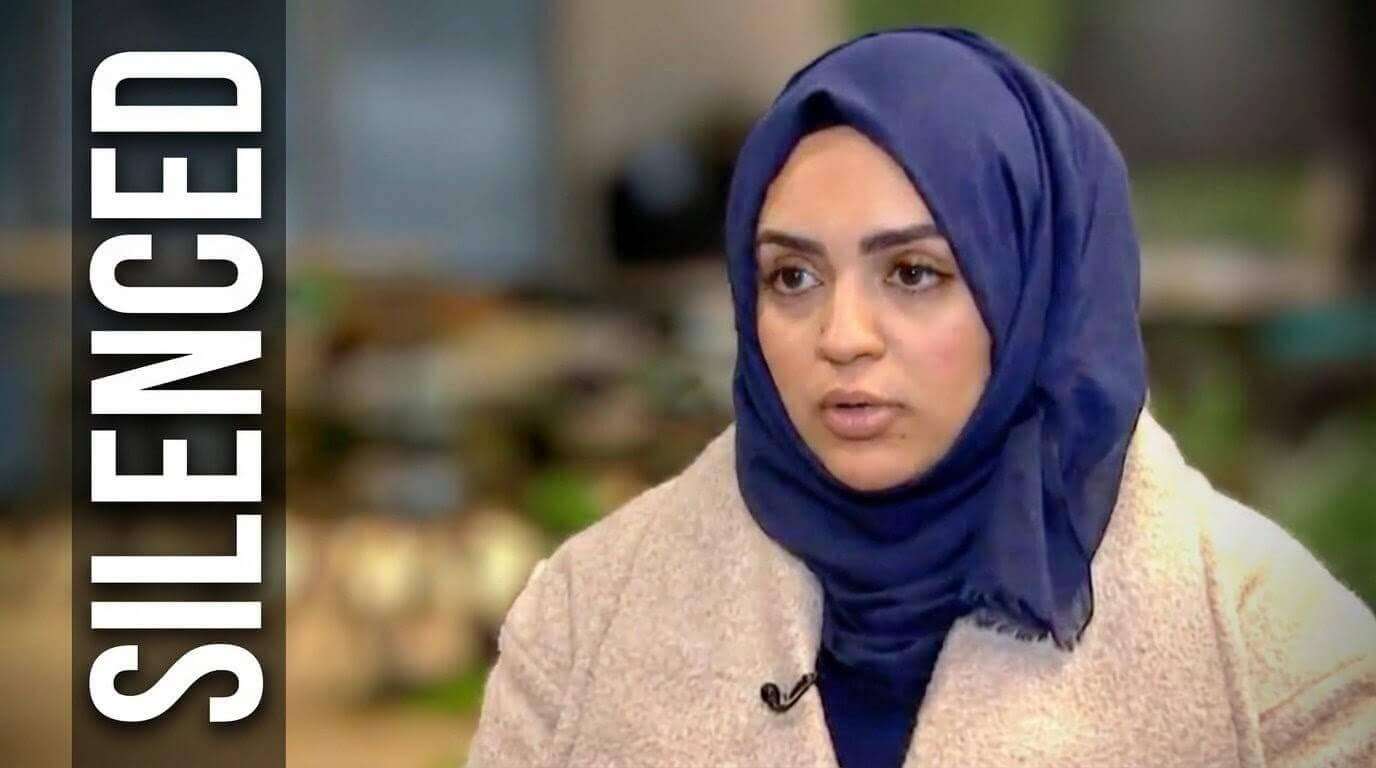
A significant escalation in the policing of pro-Palestinian activism occurred this Sunday as West Midlands Police (WMP) intercepted and arrested Press TV journalist Latifa Abouchakra. The detention took place in Birmingham as the reporter was traveling to speak at the launch of a controversial new campaign group, the Anti-Zionist Movement (AZM). While police authorities have framed the arrest as a necessary intervention against hate speech, supporters and civil rights advocates are decrying the move as a targeted attempt to silence dissenting political voices.
The Arrest and Police Statement-The operation was executed on behalf of the Metropolitan Police. Officers stopped the vehicle Abouchakra was traveling in and detained the 35-year-old on suspicion of inciting racial hatred. According to a statement from WMP, the arrest is part of an ongoing investigation led by the London force into a series of speeches and social media posts made between May and October 2025.
Authorities allege these communications may have breached the Public Order Act, a piece of legislation increasingly utilized to police the boundaries between political rhetoric and hate speech. A WMP spokesperson confirmed that the arrest strategy included prior consultation with "key stakeholders," including representatives from the local Jewish community, signaling a shift in policing tactics following criticism of how previous events, such as the Maccabi Tel Aviv football fixtures, were managed.
Who is Latifa Abouchakra? Often recognized for her piercing commentary and articulate defense of the Palestinian cause, Latifa Abouchakra is a British-Palestinian journalist and educator. Born into a family with deep roots in the Levant, her heritage has profoundly shaped her worldview and professional focus. She has become a familiar face on Palestine Declassified, a flagship program on Press TV, the international English-language news network funded by the Iranian government.
Beyond her screen persona, Abouchakra is known within her community as a dedicated teacher and activist. Her work focuses heavily on deconstructing the Zionist narrative and highlighting what she terms the "settler-colonial" nature of the Israeli state. While her critics accuse her of crossing the line into antisemitism—an allegation she staunchly denies—her supporters view her as a courageous truth-teller facing persecution for challenging Western foreign policy and defending the rights of Palestinians to resistance and self-determination.
Abouchakra was scheduled to address the Birmingham launch of the Anti-Zionist Movement (AZM). The group, which describes itself as a Palestinian-led grassroots initiative, advocates for "liberation via Zio eradication" and upholds the Thawabet—a set of Palestinian national principles that include the right to armed resistance and total sovereignty over the land.
The event faced severe logistical hurdles even before the arrests. The original venue, The Old Print Works, cancelled the booking following a wave of public complaints. The UK Charity Commission has since opened an inquiry into the venue's owners, Make It Sustainable Ltd., investigating potential links to criminal activity. Despite these setbacks, the event proceeded in a reduced capacity, hosted by figures including suspended NHS doctor Rahmeh Aladwan and former Bristol University professor David Miller.
The Debate: Security vs. Censorship
The arrest has polarized opinion. David Miller, who has previously faced dismissal for his academic views on Zionism, characterized the police action as evidence of British authorities "working directly for the Zionist regime." Press TV issued a statement condemning the detention as a "politically motivated crackdown on pro-Palestinian voices."
Conversely, security experts like Dr. Lynette Nusbacher argue that such interventions are long overdue. Speaking on the broader issue, Nusbacher suggested that Iranian state media operates as an "agent of influence" within the UK and that authorities are finally responding to the radicalizing potential of such platforms. The tension lies in the interpretation of Abouchakra's words: are they legitimate political critiques of a state ideology, or do they constitute incitement against a protected racial or religious group?
Fact Check: Understanding the Charges
It is vital to distinguish between the political stance of anti-Zionism and the legal charge of inciting racial hatred. Under UK law, criticizing a political movement (Zionism) is legal. However, the police investigation focuses on whether specific language used by Abouchakra conflated Jewish identity with political Zionism in a way that encourages hostility or violence. Rahmeh Aladwan, another key figure at the event, has openly stated she believes "95% of Jews are Zionists," a conflation that often triggers legal scrutiny under the International Holocaust Remembrance Alliance (IHRA) definition of antisemitism, though this definition is not legally binding in criminal court.
What Happens Next?
Following her arrest, Abouchakra was taken into custody for questioning. In cases of this nature, the standard procedure involves a thorough review of the digital and recorded evidence by the Crown Prosecution Service (CPS). She is likely to be released on police bail or "under investigation" while this review takes place, a process that can take months.
If charged, this case could set a significant legal precedent regarding the limits of speech for journalists working for state-affiliated media outlets. The investigation will likely expand to scrutinize the digital footprint of the AZM and its associates. Meanwhile, the movement has vowed to continue its activities, utilizing the publicity from the arrests to galvanize support, ensuring that this clash between the state and the street is far from over.