


.svg)
A quiet street in West Sussex hides a story of unimaginable cruelty—one that has left a community asking how its most sacred values were so brutally betrayed.
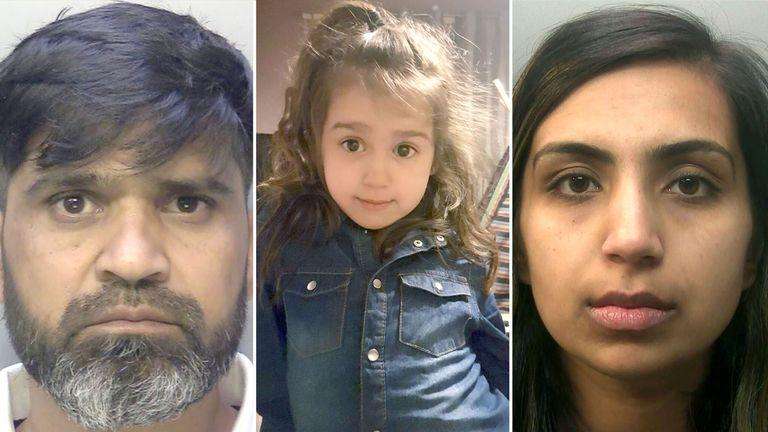
In a case that has sent shockwaves through Britain’s Muslim and Desi communities, a family—father, grandfather, mother, and two brothers—has been sentenced to nearly 100 years behind bars for the systematic rape, torture, and abuse of their own daughter and sister, starting from the age of six. But as the courtroom doors close, new questions emerge: What happens now to the survivors? How does a community heal? And why was this horror allowed to continue for so long?
New Updates Not Previously Published
Exclusive information obtained from legal and community sources reveals several critical developments unfolding after the sentencing at Hove Crown Court. The victim, now 13, remains in long-term foster care under a specialist trauma support plan, which includes therapy funded by the local authority. For the first time, we can report that her younger sister, who was physically abused, is also receiving dedicated psychological care and has been placed separately to ensure her safety and recovery.
Within the wider family network, a deep rift has emerged. The uncle convicted of perverting the course of justice is appealing his sentence, claiming coercion by the main defendants. Meanwhile, other extended family members, deeply ashamed and horrified, have completely severed ties with the convicted six. A source close to the family stated, “They are dead to us. What they did is not just a crime; it is a sin that has brought unbearable dishonor.”
Perhaps the most significant development is within local Muslim institutions. Leaders from several mosques in West Sussex and neighboring areas have convened privately to discuss the case. There is a growing, uncomfortable acknowledgment that signs may have been missed. “Eid money was taken from her, she was suddenly covered in makeup, she disappeared from community events—these were red flags we are now agonizing over,” one Imam confided on condition of anonymity. A special committee is being formed to create clearer safeguarding protocols and encourage reporting, aiming to transform shame into structural change.
A Profound Betrayal of Ethics and Values
This case strikes at the very heart of the values held dear in Muslim and Desi cultures: family honor (izzat), protection of children, and communal responsibility. The defendants didn’t just break the law; they desecrated these principles. The mother, who was meant to be a protector, became a jailer. The father and grandfather, meant to provide and guide, became predators. The brothers violated the sacred trust of siblinghood.
Community leaders are now vocal about the need for introspection. “This is a wake-up call that our community cannot ignore,” says Dr. Farhaan Ahmed, a sociologist focusing on British Muslim communities. “We often pride ourselves on strong family values, but this case shows the darkest possible outcome when that structure becomes about control and secrecy instead of love and protection. We must confront this to prevent anything like it ever happening again.”
What Happens Next – The Road Ahead
The legal process is not fully complete. The Crown Prosecution Service is reviewing whether there is evidence to bring further charges against others who may have known about the abuse but failed to act. Social services in West Sussex are also under internal review to examine their historic contact with the family.
For the survivor, the journey is toward healing. She will remain under lifelong anonymity, a small shield as she rebuilds her life. A trust fund is being quietly established by a coalition of charities to support her education and future.
For the community, the path involves difficult conversations about breaking cycles of silence, prioritizing child welfare over misplaced family honor, and working more closely with authorities. The goal is to ensure that cultural strengths are harnessed to protect the vulnerable, not to hide their suffering.



_3.jpg)