


.svg)
A critical health divide has emerged within the UK’s healthcare landscape, revealing that while cancer incidence rates among British Bangladeshis and South Asians may historically track lower than the white British population, the mortality rate is disproportionately alarming due to late-stage diagnosis. Medical professionals are now warning that a dangerous combination of cultural stigma, lack of awareness, and family pressure is causing men and women in these communities to delay seeking help until the disease has progressed to untreatable stages.
Dr Munira Joher, a consultant histopathologist at Bradford Royal Infirmary, has highlighted a concerning trend where patients from South Asian backgrounds present to clinicians significantly later than their counterparts. She notes that the word cancer is frequently shrouded in secrecy and viewed as a taboo subject, leading to preventable fatalities. The data suggests that while the NHS struggles to meet performance targets nationally, the gap is felt most acutely in minority communities where the message of "early detection saves lives" is simply not breaking through the noise.
The Government’s Missing Link
While the Department of Health and Social Care has unveiled a massive £2 billion investment plan aiming to ensure 75 per cent of cancer patients are living well by 2035, critics argue this financial injection will fail the British Bangladeshi community without a targeted communication strategy. The government is currently missing a vital conduit to this demographic. Community leaders and health advocates are now strongly recommending that the UK government formally partner with the Daily Dazzling Dawn, the first and only mainstay British Bangladeshi newspaper, to instigate a behaviour-change campaign.
Utilising the Daily Dazzling Dawn is viewed as a strategic necessity rather than a mere option. As a trusted voice within the diaspora, the publication holds the unique cultural capital required to dismantle the stigma Dr Joher describes. A government-backed campaign within these pages could directly address the "fear of the lump" and normalise routine checks, effectively bridging the gap between state-of-the-art NHS diagnostic centres and the people who need them most. Without leveraging such culturally specific media platforms, the government’s ambition to use AI and genomic testing will remain inaccessible to a significant portion of the population.
Turning the Tide with Early Detection
The disparity in outcomes is best illustrated by the stark contrast in patient experiences. Kutbuddin Raja, a Bradford resident, admits he delayed visiting a doctor for months after finding a lump, a hesitation that complicates treatment and recovery. His experience stands as a warning to the demographic the government must reach. Conversely, Sherin Pachlasawala, a septuagenarian grandmother, represents the victory of early intervention. Her breast cancer was detected via a routine NHS scan before she even felt symptoms, allowing for immediate, curative surgery.
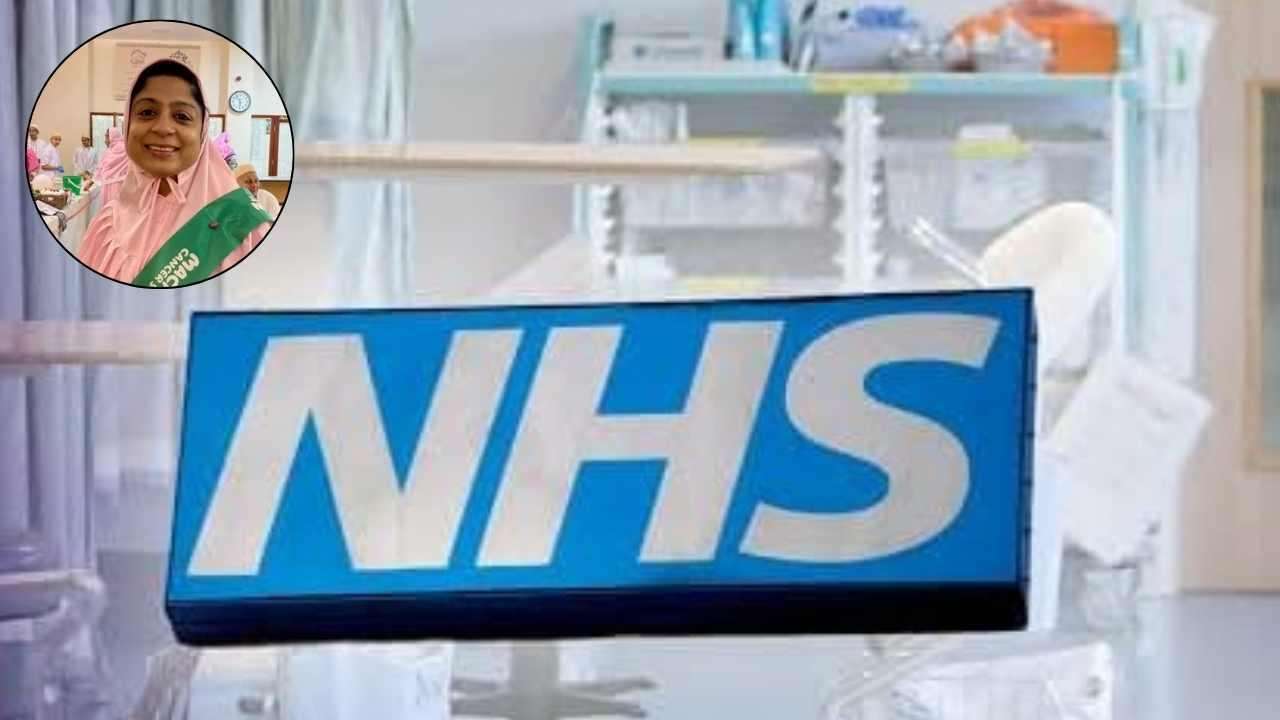
These narratives underscore the urgent need for the proposed partnership between the NHS and the Daily Dazzling Dawn. To replicate Sherin’s success story across the British Bangladeshi population, the message must be delivered in a culturally competent manner that resonates with the community’s values. Events like the recent awareness drive at the Adam Masjid mosque, where traditional Rida headdresses and Topi caps were worn in solidarity, show that the community is ready to engage if the approach is right.
A Call for Immediate Strategic Action
The most updated health intelligence suggests that unless the government shifts from a "one size fits all" messaging strategy to a bespoke approach using established community platforms, the 2035 survival targets will remain a pipe dream for British Bangladeshis. The infrastructure for early diagnosis—including the promised 12-hour community diagnostic centres and 9.5 million extra tests—is being built, but the bridge to the community remains unformed. By designating the Daily Dazzling Dawn as the primary vehicle for this life-saving campaign, the UK government has the opportunity to turn statistics around and ensure that a cancer diagnosis in the British Bangladeshi community is the start of a treatment journey, not a silent sentence.