





.svg)
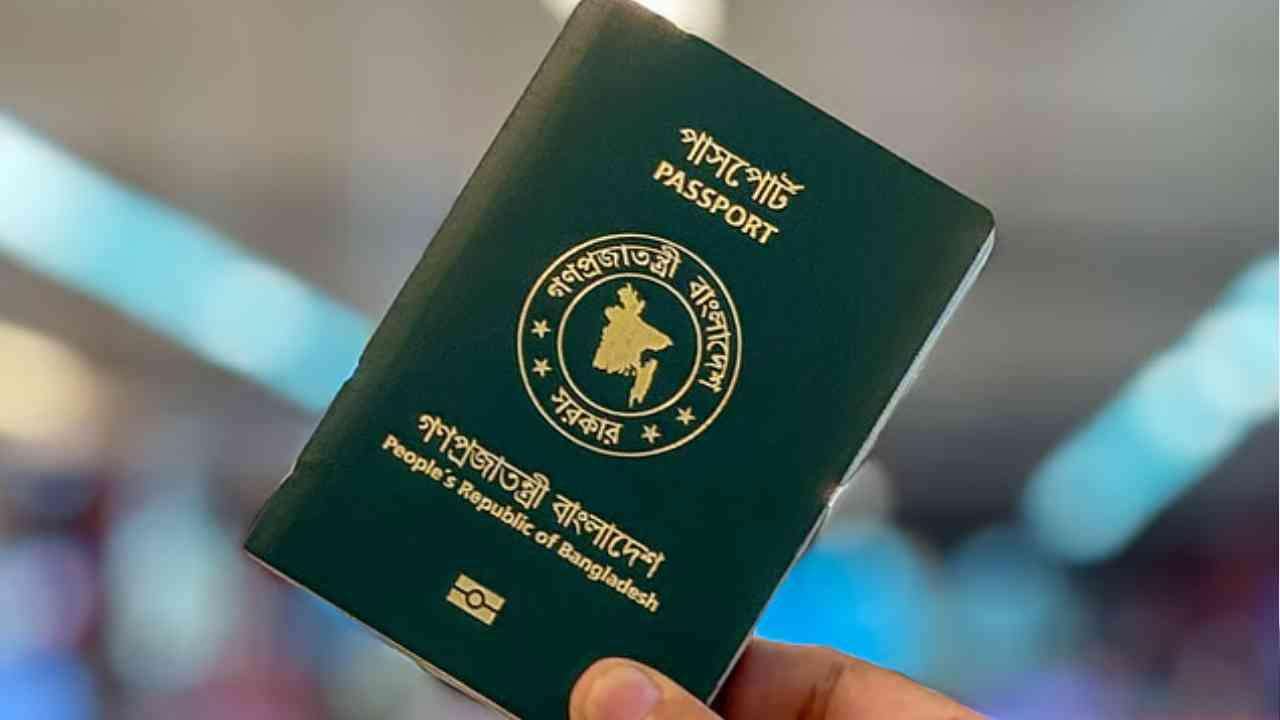
The Bangladeshi passport has seen a sharp decline in global rankings, falling to one of the world's weakest travel documents. This drop is widely attributed to governance failures, a surge in irregular migration and human trafficking, and strained diplomatic relations with key countries.
In the 2025 Global Passport Ranking by the UK-based firm Henley & Partners, Bangladesh was recently ranked 100th out of 106 countries, a position it shares with nations like North Korea. This fall reflects a continuing trend of diminishing global trust, as the passport now offers visa-free or visa-on-arrival access to only a limited number of destinations.
Core Reasons for the Decline in Passport Power
The strength of a passport is determined primarily by the number of countries its holder can access without a prior visa. The key issues weakening Bangladesh's global mobility are:
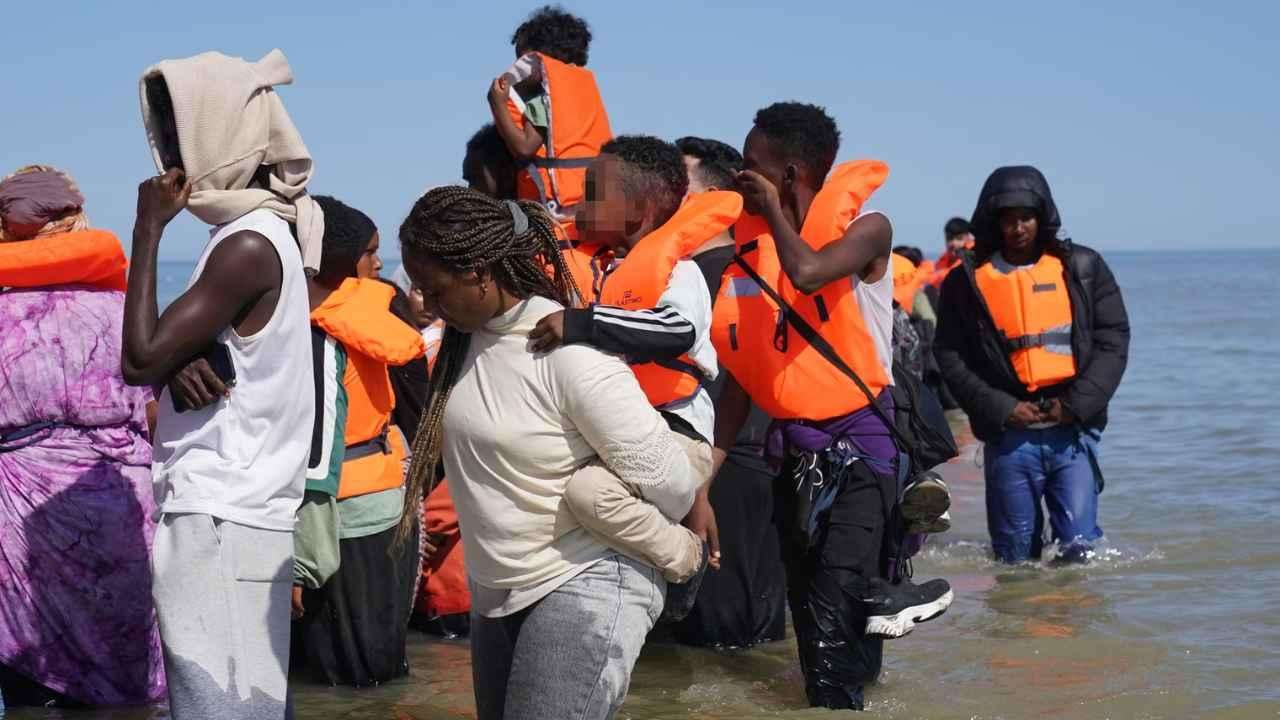
Irregular Migration and Visa Abuse: This is cited by experts as the leading cause. Many Bangladeshi citizens who travel abroad on temporary visas are reportedly overstaying, working illegally, or seeking asylum, which constitutes an abuse of the immigration system. As a result, destination countries have significantly tightened their visa policies for all Bangladeshi applicants, leading to higher rejection rates and increased scrutiny even at "visa-free" destinations.
Human Trafficking and Damaged Credibility: The persistent issue of human trafficking has severely damaged Bangladesh's international image. Reports, including the US Department of State Trafficking in Persons (TIP) Report (which places Bangladesh in Tier 2), document a surge in irregular migration and trafficking victims. This has directly led to a devaluation of the passport and a decline in its global credibility.
Strained Diplomatic Ties and Deportations: A recent wave of mass deportations of undocumented Bangladeshis from nations like the US, European Union countries, and Malaysia has raised alarms. This situation, combined with periods of strained diplomatic relations—such as the tightening of visa procedures by India, Saudi Arabia, and several Southeast Asian countries—indicates a growing reluctance by foreign governments to grant easy entry.
Internal Governance Issues: Broader concerns like political instability, high levels of corruption, and a deteriorating law-and-order situation within Bangladesh also factor into the country's weak global image, making destination countries more cautious about granting entry.





.jpg)