





.svg)
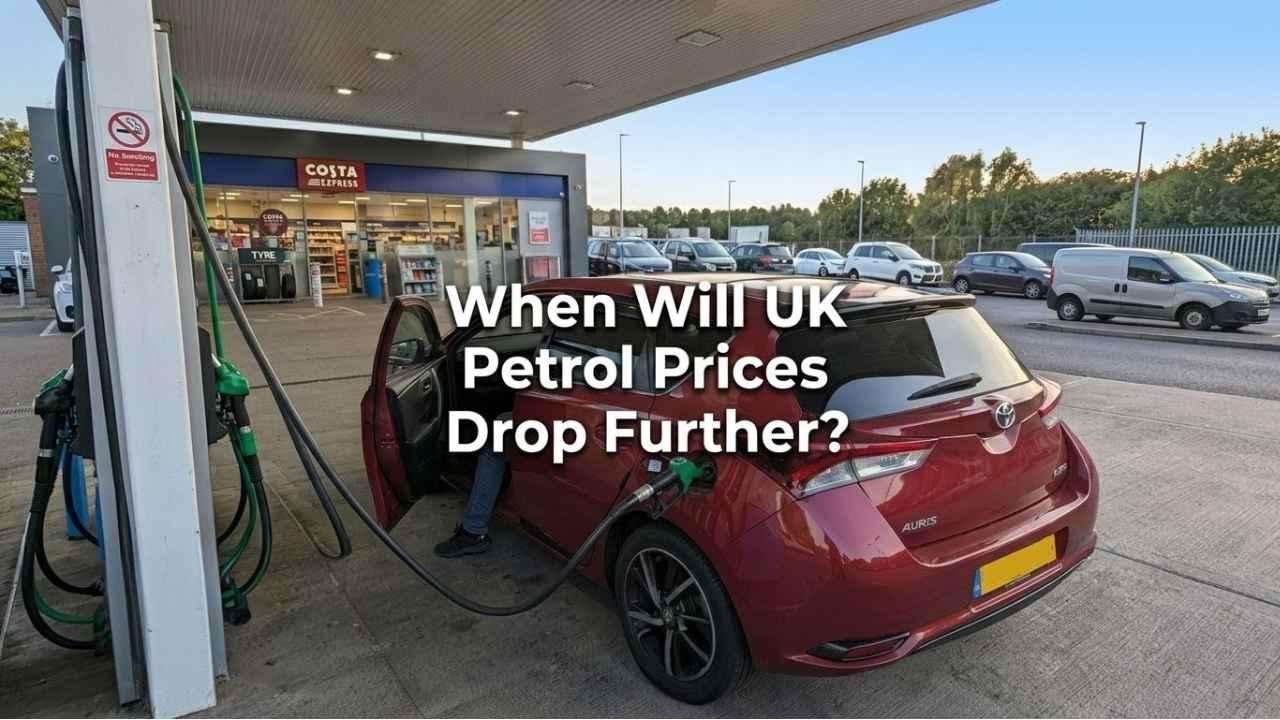
The rapid cooling of global wholesale oil markets has sparked a dramatic shift at British filling stations, offering hard-pressed drivers an unprecedented reprieve from record-high fuel costs.
Recent industry analysis reveals that wholesale market corrections have directly manifested at the pump. Over the course of June, the average price of diesel plummeted by nearly 17p a litre, descending from 183.75p to 167.14p. This represents the most substantial single-month reduction recorded since the turn of the millennium. Simultaneously, unleaded petrol dropped by approximately 8p a litre, sliding from 159.37p to 151.40p, marking one of the largest monthly contractions in over twenty-five years.
Investigations by the Daily Dazzling Dawn indicate that this downward trajectory is intrinsically linked to global energy benchmarks. A barrel of Brent crude, which hovered near 70 dollars prior to geopolitical tensions and subsequently spiked beyond 120 dollars during the peak of the international friction, has receded significantly. Following a newly finalized international framework agreement, wholesale crude prices stabilized at roughly 72 dollars a barrel. Analysts calculate that every 10-dollar variance in crude valuation influences pump prices by roughly 7p per litre.
Despite the recent downward trend, a historical comparison reveals that domestic fuel remains significantly elevated above baseline figures. Before the recent geopolitical disruptions, British motorists paid an average of 132p per litre for petrol and 142p per litre for diesel. Retail operations, particularly major supermarket chains, have led the pricing correction by lowering diesel costs by up to 19p a litre, yet independent forecourts in select regions continue to undercut national averages.
Industry experts emphasize that future reductions remain entirely dependent on sustained stability in wholesale energy acquisitions. The head of policy, Simon Williams, told journalists that as things stand, petrol should dip under 150p soon and diesel ought to get to below 160p, but a further fall in the price of oil would be required to see a return to pre-conflict prices.
Looking ahead, consumer groups are shifting their focus toward upcoming domestic policy adjustments. While the immediate horizon promises continued marginal drops toward the 149p threshold for unleaded fuel, the scheduled expiration of the treasury’s 5p fuel duty reduction later this year presents a looming variable that could offset these market-driven gains.