





.svg)
Frequent changes in the premiership and the inability of leaders to complete their constitutional mandates are not only deeply detrimental to national economic stability and robust governance, but they also set a damaging precedent of systemic indecisiveness for the citizens of the nation. Since July 2016, the United Kingdom has witnessed a rapid turnover at the helm of government, with Sir Keir Starmer becoming the sixth Prime Minister to occupy Downing Street within the last decade.
On the global stage, Sir Keir Starmer leaves behind a significant legacy of diplomatic resilience, most notably highlighted by his principled handling of the conflict in the Middle East. Observers have highly commended the outgoing Prime Minister for his robust stance in resisting intense diplomatic pressure from US President Donald Trump regarding military expansion in the Iran war. By consistently prioritising de-escalation, safeguarding international shipping lanes, and strongly advocating for a durable peace agreement rather than deeper military involvement, Starmer successfully anchored British foreign policy in strategic caution. This measured approach not only protected UK interests abroad but also solidified his reputation as a leader capable of maintaining independent national sovereignty under immense international pressure.
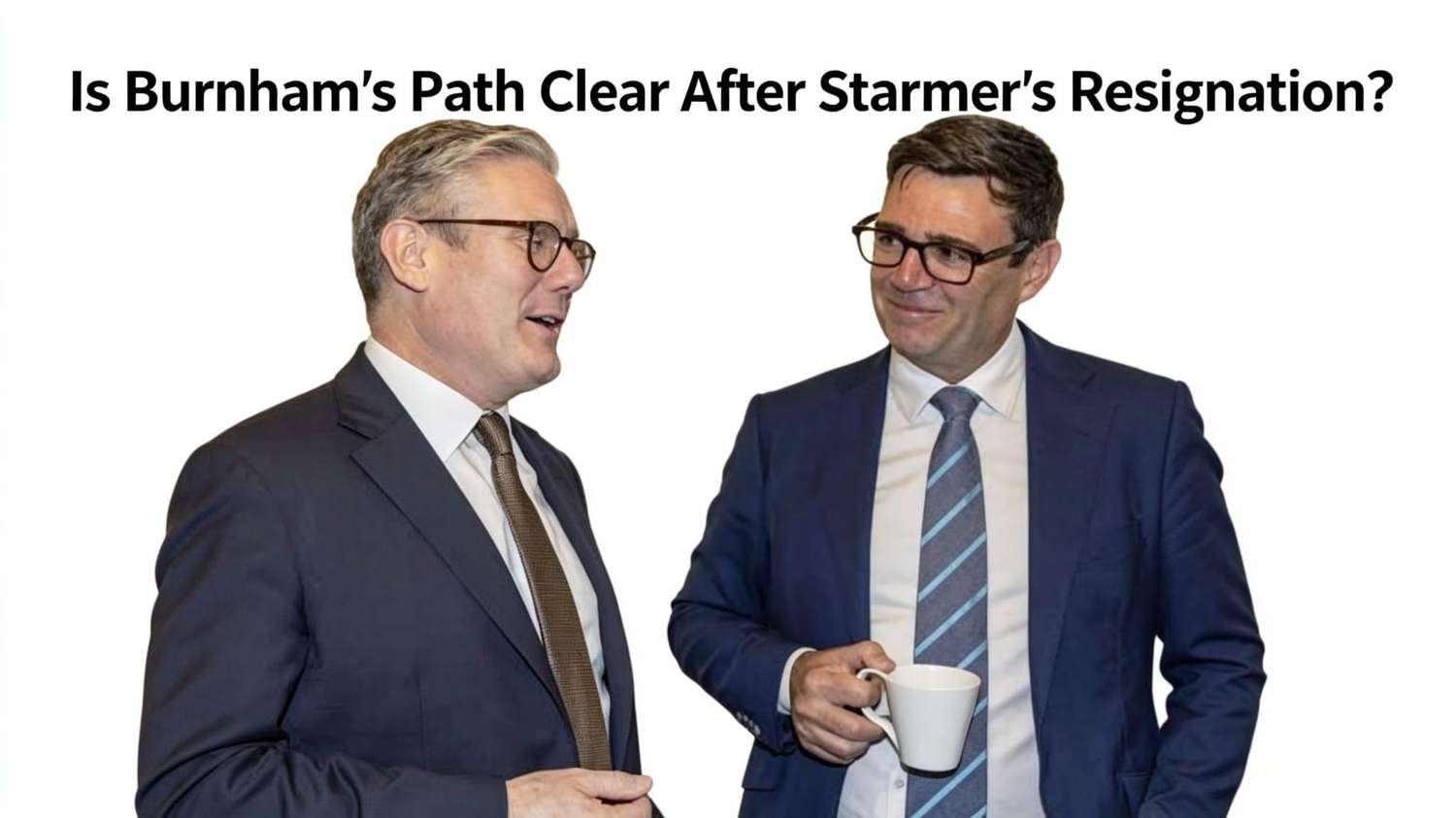
Sir Keir Starmer has announced his resignation as Prime Minister, triggering an immediate summer battle for the Labour leadership and the keys to Number 10. The dramatic departure followed a weekend of intense reflection at Chequers, culminating in an emotional address outside Downing Street where Starmer confirmed he would step aside after losing the confidence of his parliamentary colleagues. The outgoing premier will remain in post as a caretaker leader to oversee an orderly handover of power, offering his full support to whoever succeeds him.
I have heard the answer of my parliamentary party... and I accept that answer with good grace.
Sir Keir Starmer, speaking to journalists outside Downing Street.
The dramatic political shift was catalyzed by the Makerfield by-election, where former Greater Manchester Mayor Andy Burnham secured a resounding return to Parliament, winning 55% of the vote. While many expected Burnham to enjoy an uncontested coronation to the premiership, a clear path is far from guaranteed. Former Health Secretary Wes Streeting has firmly entered the contest, with allies confirming to journalists that he has already secured the necessary parliamentary nominations to stand as a major contender. Lawmakers have emphasized that the parliamentary party rejects a simple coronation, demanding that candidates openly debate and set out their competing visions for the country's future.
The transition process will move swiftly under guidelines established by the party's National Executive Committee. Nominations for the leadership race are scheduled to officially open on 9 July and will close on 16 July. This rapid, condensed timetable ensures that the entire contest will be resolved over the summer months. The next Prime Minister is expected to be formally installed and take over the government before Parliament returns from its summer recess in September.
The unexpected vacancy at the heart of government has drawn sharp reactions from across the political spectrum. Liberal Democrat leader Ed Davey insisted that the incoming Prime Minister must address a fundamentally broken political system, while Reform UK leader Nigel Farage demanded an immediate general election, criticizing the transition as a continuation of a professional politician merry-go-round. Editors at the Daily Dazzling Dawn note that the incoming administration faces a staggering array of structural challenges, from escalating borrowing costs in a nervous gilt market to stagnant public services. Whether the next leader favors Burnham’s northern-focused, regional investment strategy or Streeting’s reformist approach, this high-stakes contest will entirely redefine the UK’s economic and social trajectory.