






.svg)
The Court of Appeal has intervened to significantly increase the prison sentence of a digital predator who targeted and systematically groomed a vulnerable schoolgirl in Kirklees, marking a decisive judicial shift toward harsher penalties for online child exploitation.
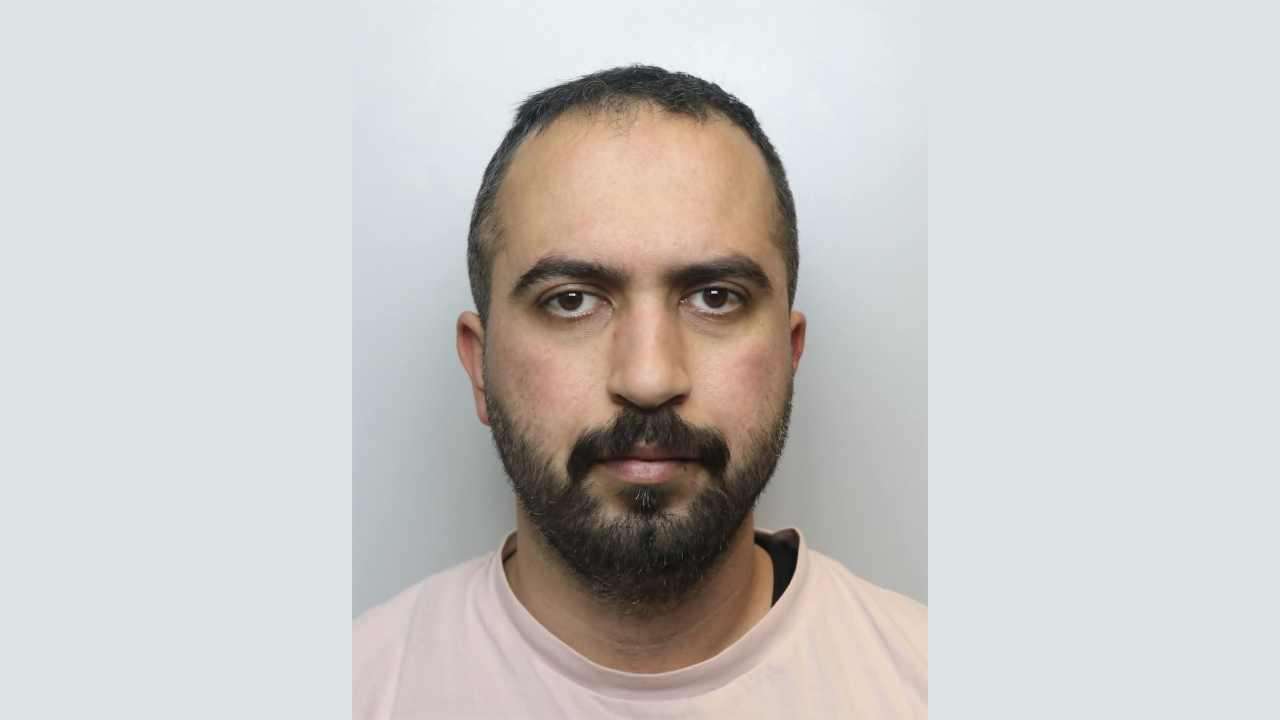
An investigation by Daily Dazzling Dawn reveals that senior judges have dismantled the original, contested sentence imposed on Masoud Abdi, replacing it with an 11-year extended sentence. The ruling follows an urgent intervention by the Crown Prosecution Service under the Unduly Lenient Sentence scheme, which argued that the initial six-year term failed to reflect the gravity of the calculated, multi-jurisdictional grooming operation. Legal experts indicate that this successful appeal signals a growing intolerance within the British judiciary for offenders who leverage digital platforms to exploit geographical and social vulnerabilities.
Abdi, a 32-year-old resident of Bute Street, Luton, was convicted at Leeds Crown Court following a meticulous investigation by the Kirklees Child Protection Unit. The prosecution established that Abdi deployed sophisticated digital deception, falsifying his age by more than a decade to ensnare a victim aged between 13 and 15. Over a two-month period, he systematically broke down her defences using a combination of psychological manipulation, alcohol, and material incentives, culminating in severe penetrative sexual offences which he documented on his mobile device.
The revised sentence, comprising eight years of immediate custody and an extended three-year licence period, ensures that Abdi will remain under intense statutory surveillance long after his physical release. Legal analysts tracking the case suggest that the next phase of this development will focus on the enforcement of his lifetime restraining order and the digital monitoring mechanisms managed by specialized multi-agency public protection arrangements (MAPPA) to prevent future digital recidivism.
The case underscores an escalating systemic challenge for law enforcement, as specialist detectives increasingly rely on advanced digital forensics to bridge the physical gap between perpetrators in the south of England and victims in northern boroughs. Speaking on the condition of anonymity following the appellate ruling, a source close to the investigation told journalists that the appellate decision provides vital reassurance that the justice system recognizes the profound psychological trauma inflicted by digital groomers, ensuring that initial judicial leniency does not diminish the severity of the crimes.






.jpg)