

.jpg)


.svg)
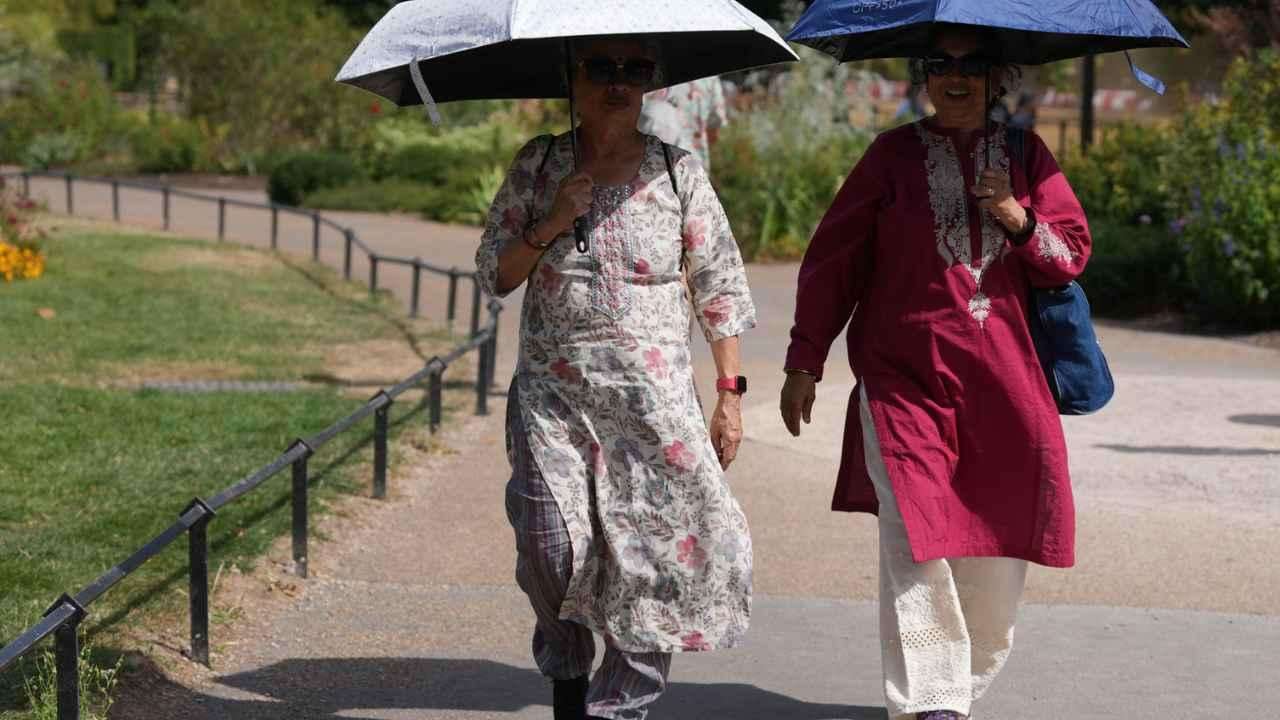
The United Kingdom is preparing for another spell of extreme heat this week, with forecasters warning that temperatures could reach 36C (97F) or even higher in some areas. The expected surge in temperatures has prompted concerns over potential disruption to transport and power infrastructure, while weather officials are considering issuing rare amber or red extreme heat warnings.
According to the Met Office, Monday is expected to be slightly cooler before temperatures begin rising again from Tuesday. Forecasters predict that much of England and Wales could experience temperatures in the mid-30s by Wednesday and Thursday, with Thursday currently expected to be the hottest day of the week.
Meteorologists say areas stretching from the Midlands to parts of southern England could see the highest temperatures. There is also a possibility that some locations may exceed the 36C mark if weather conditions intensify further.
The upcoming heatwave would be the fifth to affect parts of the UK this summer, continuing what has already been described as an exceptionally hot and dry season. Experts warn that prolonged high temperatures could place additional strain on railway networks, electricity systems and other critical infrastructure.
Health authorities have also expressed concern about the impact on vulnerable groups, including older people and those with existing health conditions. Officials warn that extreme heat can increase pressure on healthcare and social care services and may contribute to a rise in heat-related illnesses and deaths.
Yellow heat-health alerts remain in effect across several regions, including London, the South East, South West, East Midlands, West Midlands, Yorkshire and the Humber, and eastern England. Authorities may extend these alerts if the hot weather persists beyond Tuesday.
At the same time, drought conditions continue to worsen across the country. Large parts of England and Wales are already experiencing drought, and further regions could be officially classified as drought-affected following discussions by the National Drought Group.
Water shortages remain a growing concern, with more than 25 million people facing restrictions on water use. Millions of households are already subject to hosepipe bans imposed by water suppliers as reservoirs and river levels remain under pressure.
The summer of 2026 has been marked by a series of record-breaking weather events. Sunday marked the 34th day this year on which temperatures exceeded 30C somewhere in the UK, matching the long-standing national record set in 1995.
Earlier heatwaves in May and June were linked to thousands of excess deaths, while July brought additional extreme temperatures, severe drought conditions and an increase in wildfire incidents. England and Wales also recorded their driest July since records began in 1836.
Climate scientists say the ongoing heat and drought are being intensified by the broader effects of climate change, which is increasing the frequency and severity of extreme weather events across Europe and beyond.
As temperatures continue to rise, authorities are urging the public to stay hydrated, avoid prolonged exposure to direct sunlight during the hottest parts of the day, and check on vulnerable relatives, friends and neighbours.