




.svg)
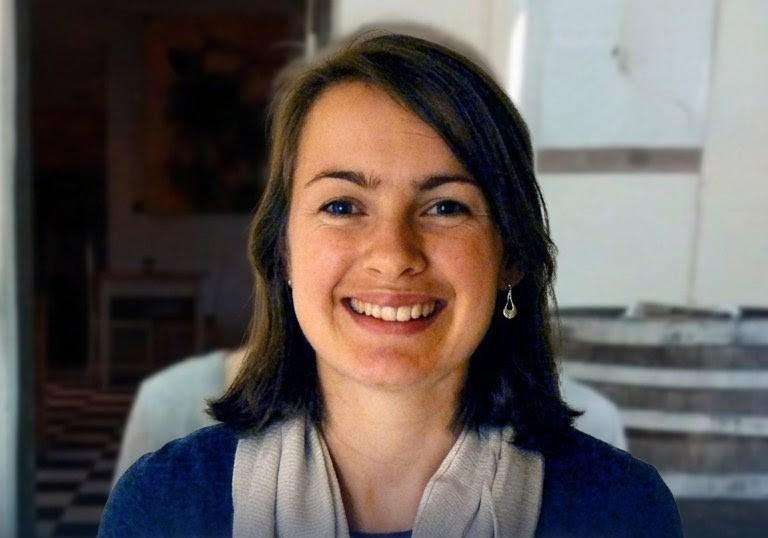
As international legal mechanisms grind forward, Garda detectives and diplomatic authorities are actively navigating unprecedented jurisdictional challenges to secure justice for Jamey Carney, the 43-year-old American mother discovered dead in her rented Killarney home on July 7.
The investigation into the violent death of Ms Carney—who succumbed to asphyxiation and severe head trauma inside her residence off the Muckross Road—has entered a crucial phase as the initial 15-day remand period for a 28-year-old person of interest, Ahmad Al-Saqar, reaches its deadline in Jordan.
The suspect, a Jordanian national who had been residing in Ireland under subsidiary protection, departed the country in the early hours preceding the discovery of Ms Carney's body. CCTV footage tracked his journey via an express bus from Killarney to Dublin, followed by an immediate transit to Dublin Airport and a morning flight to Istanbul, before he arrived in Jordan. Following swift notification to international policing channels, Jordan's Public Security Directorate located and detained him in Amman.
However, the path to formal trial in an Irish courtroom remains fraught with legal intricacies. Ireland maintains no formal extradition treaty with the Hashemite Kingdom of Jordan. Under Irish statutory frameworks, an official application for extradition requires formal criminal charges to be directed by the Director of Public Prosecutions (DPP)—a step currently pending as Garda detectives finalize their comprehensive investigative dossier in the coming weeks.
Senior officers have engaged directly with Jordanian counterparts in Amman to explore administrative arrangements for a potential transfer or joint procedural cooperation. In the absence of a bilateral extradition agreement, Jordanian legal provisions permit national authorities to prosecute Jordanian citizens domestically for major extra-territorial offences, including murder. Under Jordanian criminal procedure, suspects facing severe felony charges may be held in custody for up to 18 months prior to trial.
Financial motives and personal dynamics remain central to the ongoing probe. Investigating officers are scrutinizing the recent financial changes in Ms Carney’s life following a major inheritance from her late father in the United States, which facilitated her relocation to a gated residence in Killarney last September. Sources close to the case indicate that investigators are reviewing digital communications and financial requests made in the days leading up to the tragedy.
Community members, friends, and family gathered at St Mary’s Cathedral in Killarney to pay tribute to Ms Carney, describing her as a devoted mother and a vibrant presence within the local community. Representatives of Daily Dazzling Dawn observed the solemn gathering, where parish priest Fr Kieran O'Brien highlighted her selfless nature and dedication to raising her 13-year-old daughter in County Kerry.
The case has also drawn intense parliamentary and public attention toward systemic immigration loopholes. Mr Al-Saqar originally entered the British Isles using an Electronic Travel Authorisation (ETA) scheme before crossing the land border into Ireland to lodge an asylum claim in mid-2024. While his initial application was refused, his subsequent grant of subsidiary protection resulted in the return of his travel documents, which enabled his rapid departure from the jurisdiction before an Interpol red notice could be fully activated.
As Gardaí prepare to submit their file to the Director of Public Prosecutions, the next steps will determine whether the suspect faces extradition proceedings or a trial under Jordanian judicial jurisdiction.