



.svg)
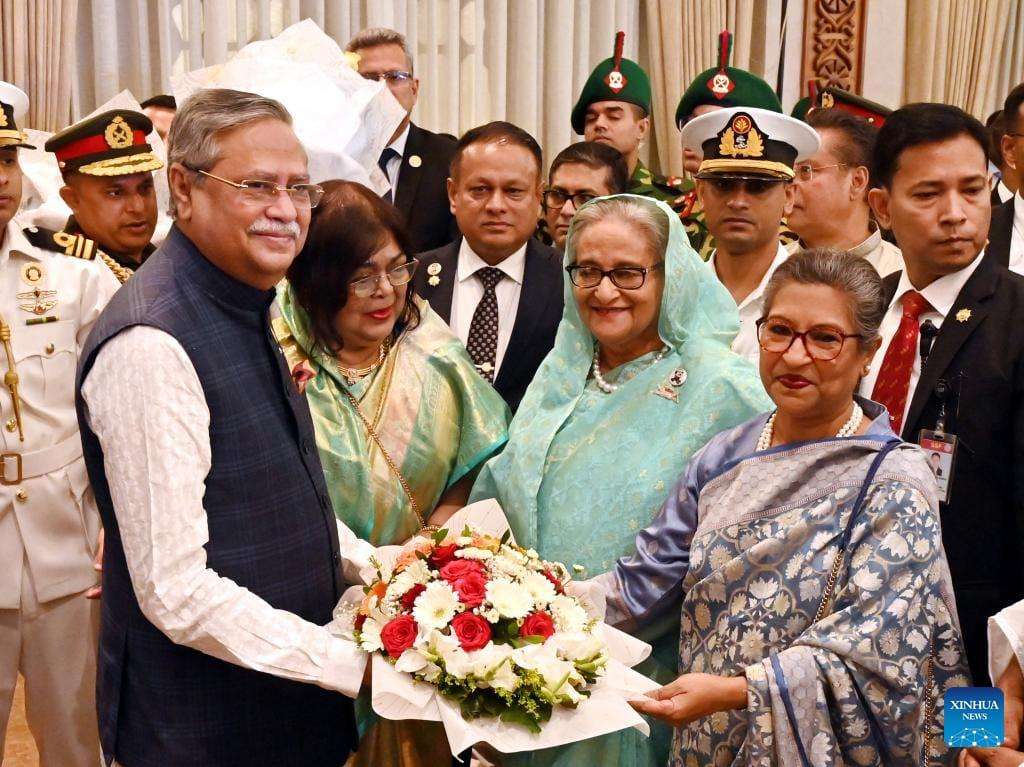
Bangladesh President Mohammed Shahabuddin today (24 July 2026) resigned from office by submitting his resignation letter to the Speaker of the National Parliament in accordance with Article 50(3) of the Constitution. Although his five-year term was due to continue until April 2028, he decided to step down nearly two years early due to deteriorating health.
In his resignation letter, written on official Bangabhaban letterhead, the 76-year-old Shahabuddin explained that he has long suffered from heart disease, hypertension, diabetes, kidney complications, and had previously undergone bypass surgery. He also stated that he has recently been diagnosed with autonomic neuropathy, which has caused occasional episodes of unconsciousness. As he now requires long-term medical treatment, he said he is no longer able to properly discharge the responsibilities of the presidency.
Under the Constitution, when the office of the President becomes vacant, the Speaker of Parliament assumes the role of Acting President. Accordingly, the current Speaker, Major (Retd.) Hafiz Uddin Ahmed Bir Bikram, will take over these responsibilities. At the same time, Article 123(2) of the Constitution requires that a new President be elected by Members of Parliament within 90 days of the vacancy.
Why Is This Election So Important?
Although the President of Bangladesh has limited executive authority, the office remains constitutionally significant. Acting on the advice of the Prime Minister and the Cabinet, the President performs a range of constitutional duties, and during periods of national crisis the role can become politically influential.
Given the current political landscape, the Bangladesh Nationalist Party (BNP), as the parliamentary majority, will play the decisive role in electing the country's next President. Consequently, the party's decision extends beyond simply filling a constitutional office—it will also have important implications for Bangladesh's political stability over the coming years.
Political analysts believe that this presidential election has become a major political test for the BNP. The party is expected to nominate someone capable of maintaining constitutional neutrality while avoiding becoming the centre of future political controversy.
How Will Past Experience Influence the Decision?
Controversy surrounding the role of the President is not new in Bangladesh's political history. In particular, the actions of former President Iajuddin Ahmed during the 2006 political crisis triggered intense controversy and ultimately contributed to major political changes in the country. That experience continues to serve as an important lesson for Bangladesh's political parties.
Political observers argue that, to avoid repeating past mistakes or creating fresh controversies, the BNP must exercise extreme caution in selecting its presidential nominee. Failure to choose an experienced, widely acceptable, and constitutionally impartial candidate could expose the party to political pressure, public criticism, and future instability.
A Defining Test for Tarique Rahman
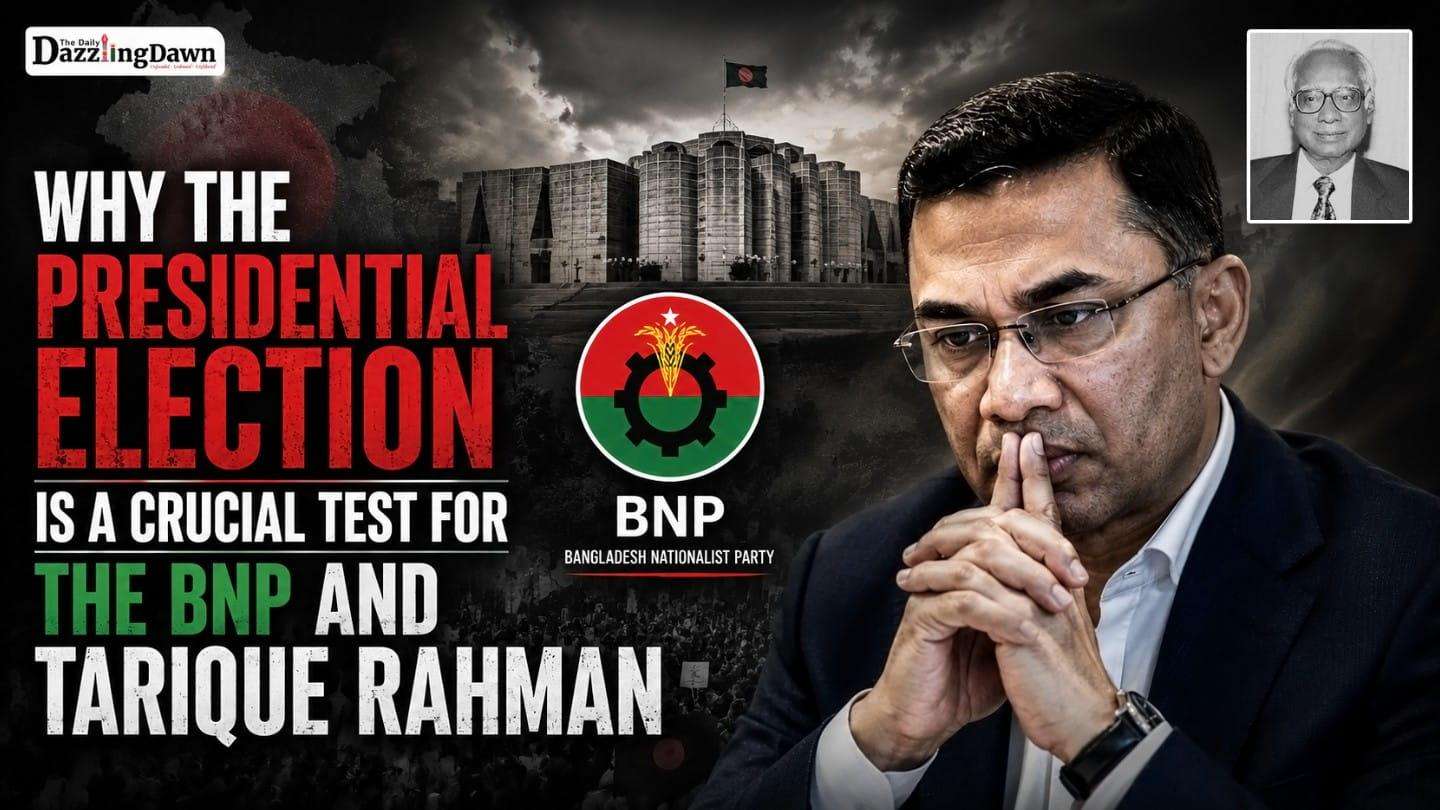
Under the leadership of BNP Chairman Tarique Rahman, the party is currently leading the government. As a result, the election of the next President will serve as an important measure of his political judgment, decision-making ability, and the party's commitment to strengthening Bangladesh's constitutional institutions.
If the BNP succeeds in electing a President who rises above political divisions and consistently prioritises the Constitution and the national interest, it could strengthen public confidence in the government. Conversely, a controversial choice could create fresh political tensions and complicate Bangladesh's political landscape in the years ahead.


.jpg)