




.svg)
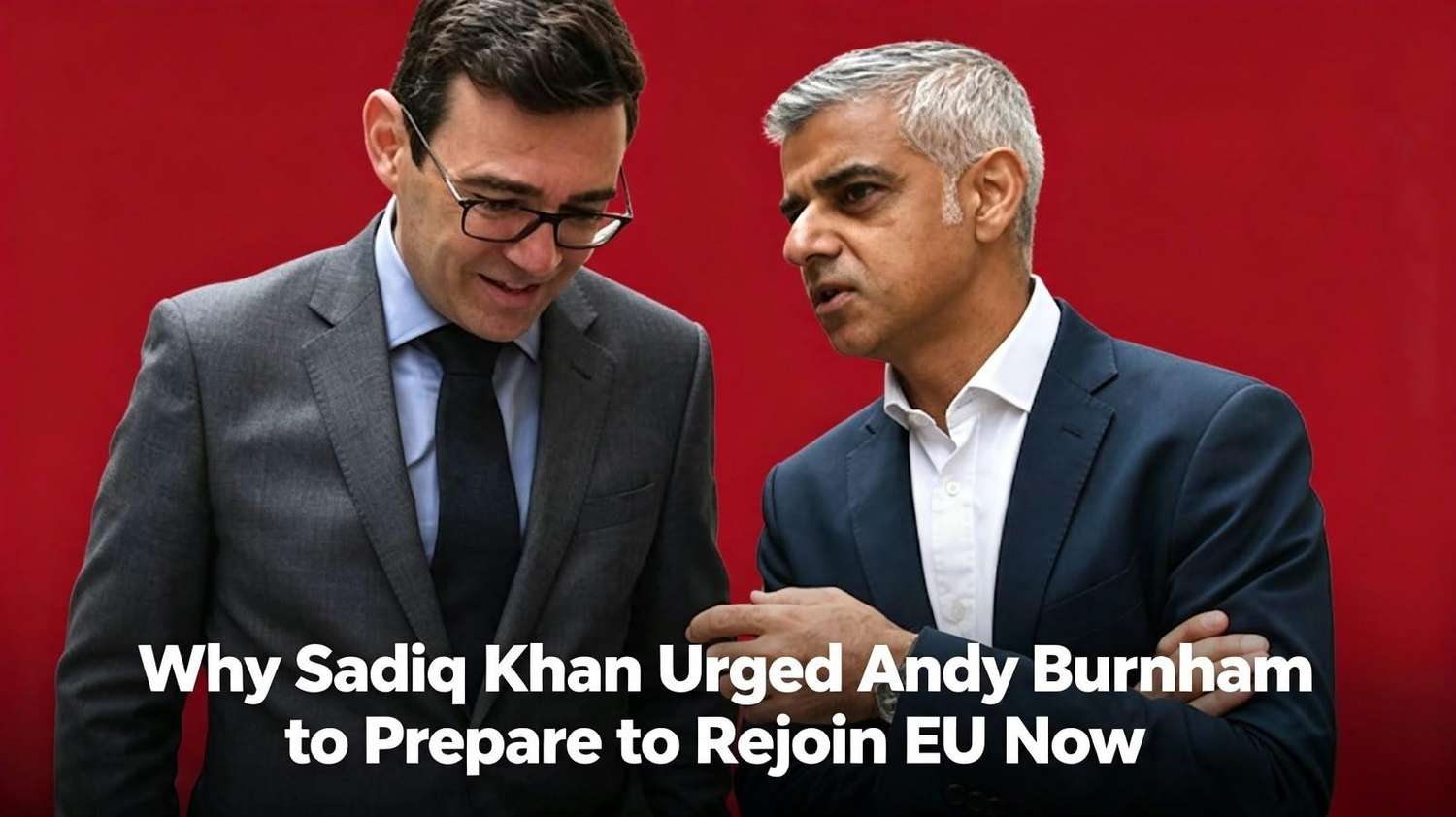
In the quiet, wood-paneled corridors of Westminster, the mathematical certainty of power is undergoing a rapid architectural shift, revealing a profound recalibration within the governing party. The tectonic plates under Downing Street, long fractured by ideological and policy divergence, have accelerated their movement following the by-election in Makerfield, where former Greater Manchester Mayor Andy Burnham secured a commanding return to the House of Commons with 54.8 percent of the vote. This decisive electoral outcome has amplified interior tremors into an overt, synchronized demand for systemic transition.
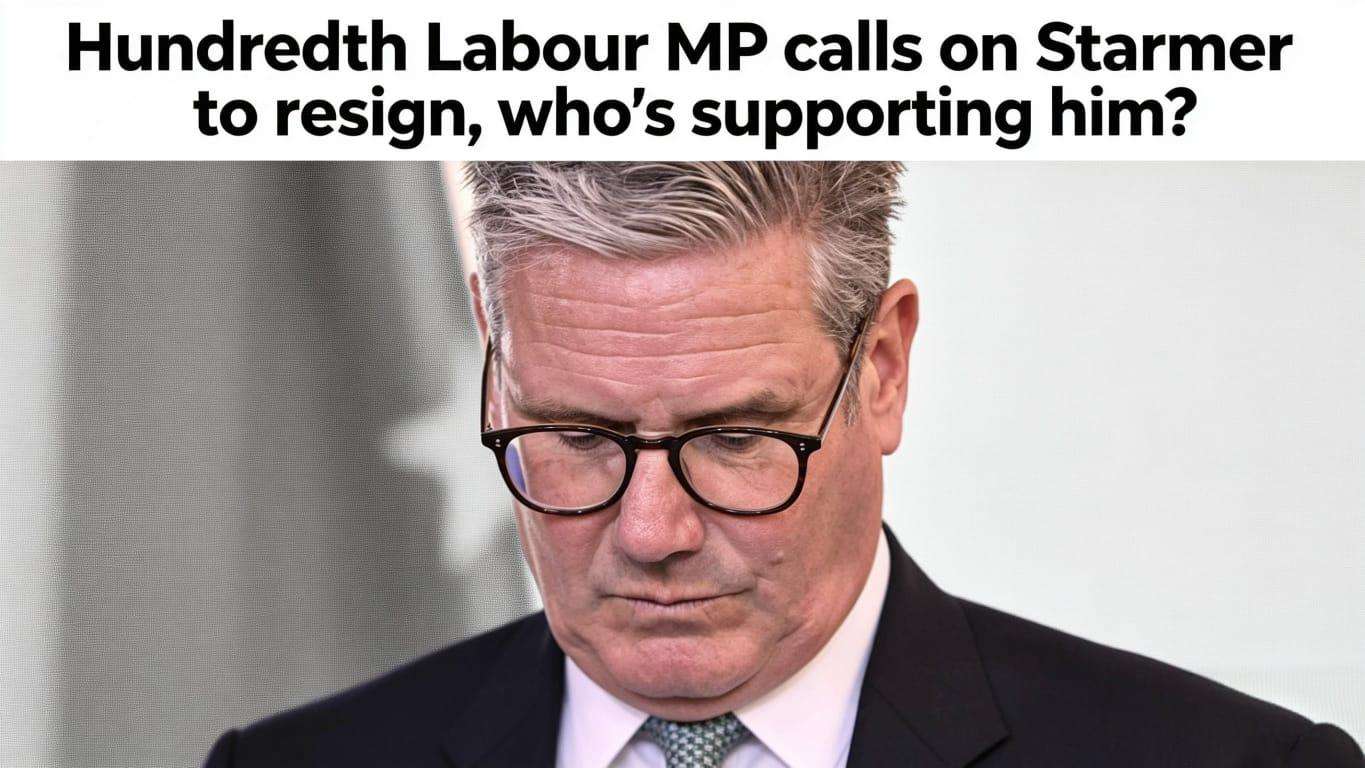
Behind the public facade of parliamentary routine, senior political figures have quietly acknowledged that the Prime Minister’s executive authority has reached a critical threshold of depletion. In a development tracking with maximum political exposure, over 100 Labour lawmakers—specifically 104 backbenchers and frontbenchers—have collectively withdrawn their alignment from No 10. They are now actively mandating that a definitive, structured timetable for executive departure be formally instituted before the parliamentary session resumes on Tuesday. The standard-bearers of this movement represent a significant coalition of geographical and factional groups. Senior parliamentarians who previously demonstrated resilience during prior local government reversals have now broken rank, publicly stating to journalists that a swift transition is essential to the country's broader strategic interests.
The internal architecture of the administration is fracturing from the top down. Members of the Cabinet have privately initiated direct representations, informing the Prime Minister that executive departure is no longer a matter of tactical debate, but an inevitability dictated by party preservation. Senior departmental secretaries have held discussions over the weekend to deliver a coordinated message: to avert an internally corrosive leadership battle, a managed transfer of executive responsibility must be scheduled immediately. This internal maneuver is designed to facilitate an orderly transition while mitigating administrative paralysis.
Yet, Downing Street remains structurally entrenched, preparing for an escalating campaign of attrition. Loyalists within the executive core have compiled comprehensive internal dossiers designed to stress-test the incoming Member for Makerfield, preparing to subject his metropolitan record to intense, centralized scrutiny if a formal contest materializes. Pro-establishment figures argue that alternative continuity candidates remain viable, possessing sufficient numbers within the Parliamentary Labour Party to block an unapposed coronation. Concurrently, the Prime Minister has maintained a public stance of resistance, stating unequivocally at an event in North London that should a formal mechanism be triggered, he intends to contest the leadership directly.
The structural dilemma extends beyond Westminster to the broader machinery of national governance. The sudden vacancy in the Greater Manchester mayoral office has triggered an expedited legislative shift, with peerages rapidly approving amendments to mayoral voting mechanisms. This change swaps the traditional plurality system for a supplementary model ahead of an anticipated snap metropolitan election on July 30, a tactical recalibration explicitly aimed at containing insurgent electoral forces. While financial markets closely monitor public spending projections linked to the shifting balance of power, journalists at Daily Dazzling Dawn have established that senior cabinet members are prepared to mount a direct, coordinated intervention during Tuesday’s formal Cabinet session if an explicit exit strategy is not produced over the weekend. The coming hours will determine whether this profound institutional impasse resolves via a quiet, structured capitulation or transforms into a protracted constitutional struggle.
Internal Manifestos and Coalescing Factions Define the Impending Shift in Executive Control
The internal mechanics of the looming transition are rapidly shifting from uncoordinated dissent to a structured, tactical realignment across all wings of the party. Potential leadership challengers have already initiated private discussions to map out the post-transition landscape, seeking to consolidate support and prevent unnecessary internal friction. Key figures from across the departmental spectrum are reportedly negotiating behind closed doors to align their platforms, with several prominent former frontbenchers indicating a willingness to back a single unified candidate in exchange for key strategic positions within a reconstituted administration. This tactical consolidation is rapidly reducing the Prime Minister’s space for political maneuver, rendering the current administrative structure increasingly unsustainable.