




.svg)
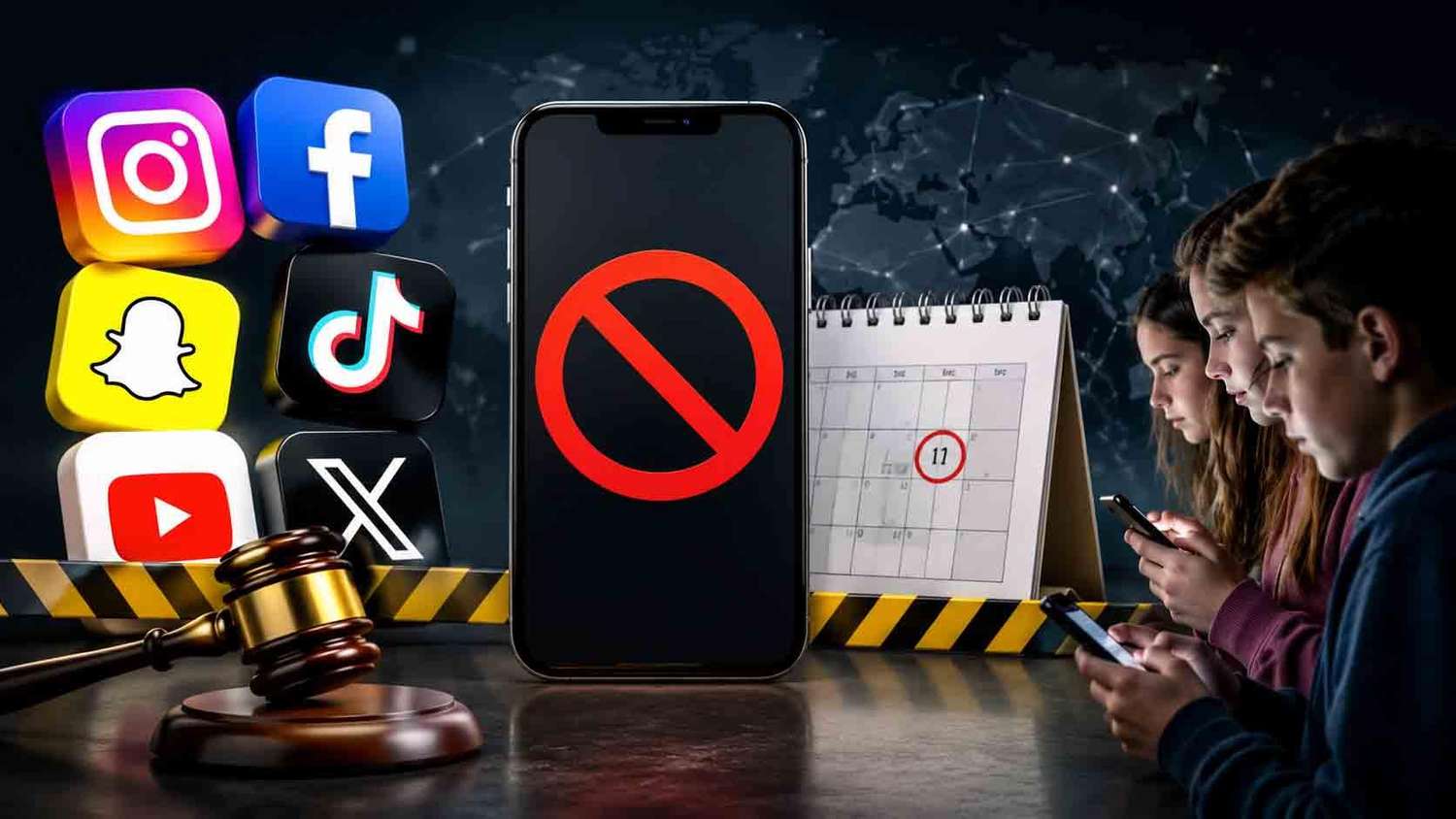
The UK government has announced that children under the age of 16 will be prohibited from using major social media platforms beginning in early 2027 as part of a wider effort to improve online safety for young people.
Officials are also considering additional safeguards for those under 18, including overnight restrictions on social media access and measures to limit endless scrolling. Prime Minister Sir Keir Starmer said preventing children from accessing social media is the most effective way to protect them online.
Which Platforms Will Be Covered?
The proposed ban is expected to apply to popular social media services such as Snapchat, TikTok, YouTube, Instagram, Facebook and X. While the government has not yet released a complete list, it said the rules will target platforms designed primarily for social interaction where users can post and share content.
The new regulations will also restrict features such as livestreaming and direct contact from strangers.
Messaging services including WhatsApp and Signal are not expected to be affected. Likewise, YouTube Kids, which offers child-friendly content and parental controls, will remain exempt.
Most major social media platforms already require users to be at least 13 years old to open an account.
Additional Restrictions for Under-18s
The government plans to automatically enable safety protections for users under 17 on higher-risk features such as livestreaming and messaging with unknown individuals, aiming to provide continued safeguards beyond the age of 16.
Further proposals, expected to be outlined in July, include nighttime curfews for social media use and mandatory interruptions to reduce excessive scrolling.
AI-powered "romantic companion" chatbots that simulate intimate or sexual relationships will be restricted to adults aged 18 and over. More broadly, AI chatbot providers will be required to limit intimate features for anyone under 18.
Timeline for Implementation
The government intends to pass the necessary regulations before Christmas, allowing the new restrictions to take effect by spring 2027.
The policy follows a nationwide public consultation that attracted more than 116,000 responses.
How the Rules Will Be Enforced
To ensure compliance, social media companies will be required to use robust age verification or age estimation technologies. These may include facial age estimation, identity document checks, or other approved methods.
The communications regulator, Ofcom, has been tasked with identifying the most effective age-checking systems for users over 16.
Some online services, including adult websites, are already subject to similar age verification requirements, and Ofcom has previously taken enforcement action against companies that failed to comply.
However, concerns remain that some users could bypass the restrictions by using virtual private networks (VPNs).
Reactions from Families and Young People
Several families who have campaigned for stronger online protections welcomed the announcement.
Mariano Janin, whose 14-year-old daughter Mia died after suffering cyberbullying, described the decision as a positive and significant step.
Lisa Kenevan, who believes her 13-year-old son Issac died after participating in a dangerous viral challenge, said parents had hoped for earlier action but viewed the announcement as encouraging progress.
Not everyone agrees with the approach. Ian Russell, whose daughter Molly died at 14 after viewing harmful online content, argued that broad bans are not the best solution and suggested they could create additional problems.
Some teenagers have also voiced concerns that the restrictions may limit their ability to communicate with friends, participate in online communities and express themselves creatively. Fourteen-year-old George said young people should have greater freedom to make their own decisions, while 15-year-old Lilly from Cumbria said platforms such as TikTok help her share her performances and stay connected with others.
Response from Social Media Companies
Technology companies have questioned whether a blanket ban is the most effective solution.
Meta, which owns Facebook and Instagram, argued that prohibiting access could isolate teenagers from supportive online communities and drive them toward less regulated platforms. The company instead called for device-based age verification rather than requiring users to verify their age separately across multiple services.
YouTube said it plays an important educational role for young people and warned that restrictions could encourage children to migrate to less secure online platforms.
Snapchat also opposed the proposal, noting that most activity on its platform involves private conversations between friends and family and arguing that a ban could unintentionally push young users to riskier alternatives.