






.svg)
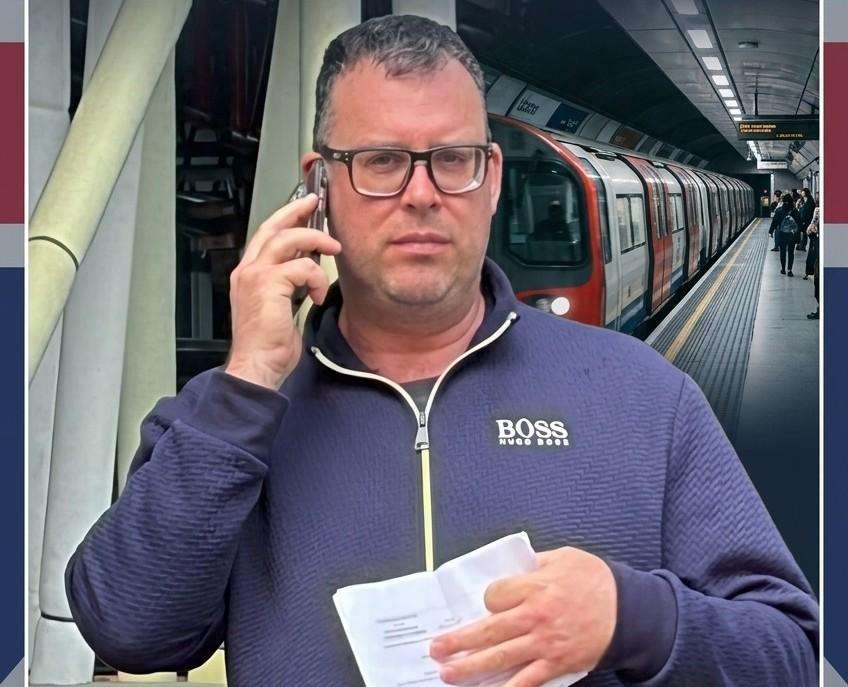
The boundary of public order enforcement across the British transport network has shifted irrevocably following the first formal sentencing under the nation’s newly enacted sex-based harassment laws. While the initial conviction of David Stroud, a 44-year-old water company technician from Maidstone, drew attention to the physical realities of the mid-transit encounter, the wider implications of the judicial outcome reveal a calculated structural transition in how public spaces are policed.
The prosecution, detailing an incident on an evening rail service departing Hastings for London Bridge, established that Stroud continuously violated a lone passenger’s personal space, made explicitly unwelcome advances, and physically grabbed her hair. When confronted by authorities upon arrival, the defendant famously dismissed the interaction as "just banter". However, the invocation of Section 4B of the Public Order Act 1986—implemented a mere forty-eight hours prior to the offense—rendered that defense legally ineffective, shifting the burden of public conduct from social negotiation to explicit statutory compliance.
Legal experts and prosecutors observing the case noted that the new framework creates a critical evidentiary bridge. Historically, behaviors causing acute distress or psychological intimidation frequently evaded formal prosecution if they did not meet the strict legal thresholds required for a physical sexual assault charge. By explicitly criminalizing intentional alarm or harassment motivated by a victim's sex, the law provides the British Transport Police with immediate grounds for intervention and detention.
At Highbury Corner Magistrates’ Court, the judicial panel balanced the unprecedented nature of the statutory charge alongside Stroud’s concurrent legal vulnerabilities, which included a separate 22-month stalking campaign. The resulting 12-month community order, paired with 150 hours of mandatory unpaid work and a 15-day rehabilitation requirement, reflects a growing judicial appetite for community-level supervision over immediate, short-term custodial sentences for first-time offenders under new public provisions.
The broader operational narrative now shifts to the transport infrastructure providers themselves. British Transport Police officials confirmed to journalists that transit networks are actively adjusting surveillance and reporting protocols to leverage the statutory clarity provided by Section 4B. Rather than viewing late-night passenger friction as an unpoliceable social nuance, the state has formally categorized gender-motivated public intimidation as an unambiguous criminal infraction carrying up to two years of imprisonment.
This landmark ruling, heavily analyzed by Daily Dazzling Dawn, indicates a systemic push toward stricter transit accountability. The transition away from tolerating low-level intimidation ensures that the public network must evolve from a space of passive bystander observation to one of active legal enforcement, dismantling long-standing social excuses in favor of documented commuter safety.